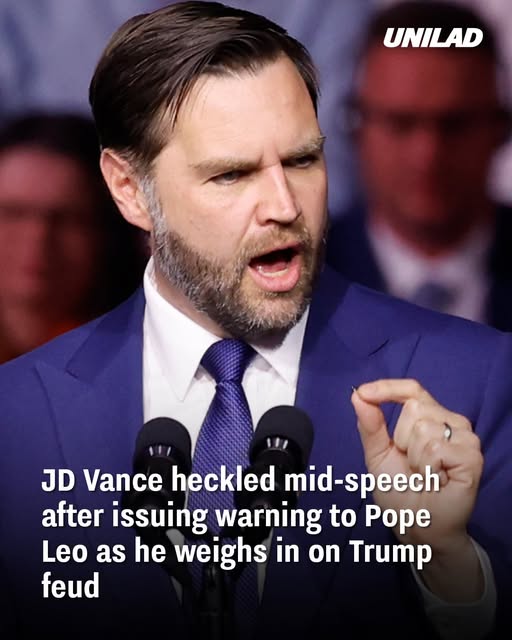
A recent appearance by JD Vance at a student event in Georgia quickly turned tense as he was interrupted by a heckler while discussing comments made by Pope Leo XIV. The moment highlighted growing divisions not only among political leaders but also within the public, especially on issues of war and morality.
The interruption reportedly came as Vance addressed the pope’s criticism of ongoing military actions, sparking a brief exchange with someone in the crowd. While such disruptions are not uncommon at political gatherings, this incident stood out because it touched on deeper disagreements involving religion, global conflict, and leadership responsibility.
A Growing Rift Between Politics and Religion
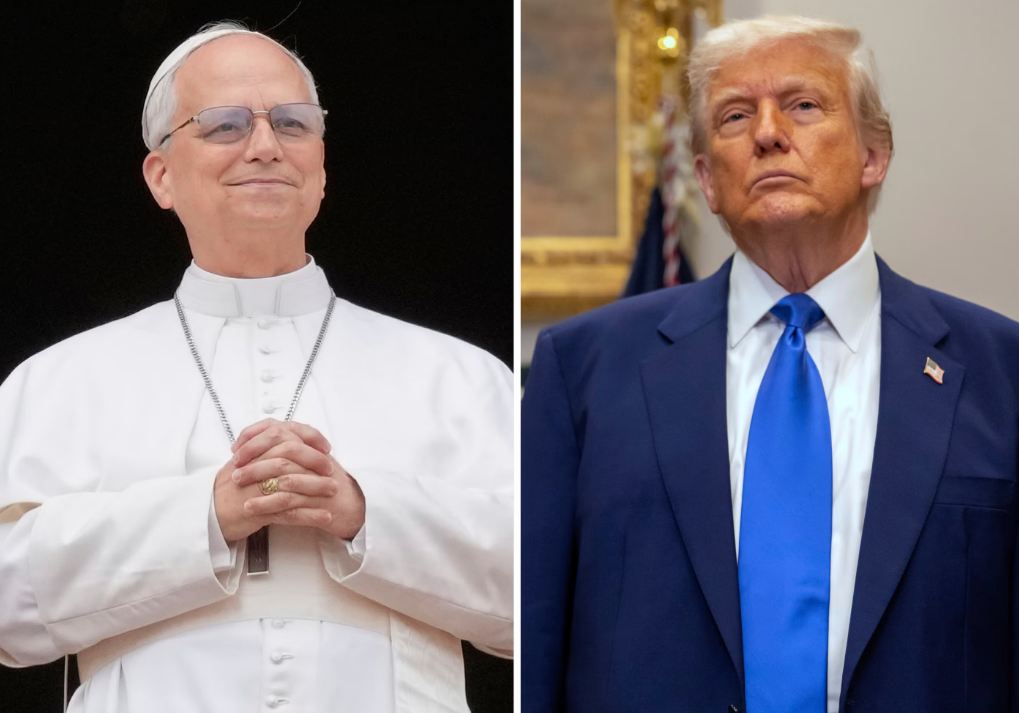
The clash is part of a broader and increasingly visible disagreement between the White House and the Vatican. Donald Trump has openly criticized Pope Leo XIV for speaking out against war, while Vance has echoed similar concerns about the pope’s involvement in political matters. At the center of the dispute is the pope’s strong stance against violence, particularly regarding the ongoing conflict involving Iran. Pope Leo XIV has consistently emphasized peace and condemned military escalation, positioning himself as a moral voice on the global stage. In contrast, U.S. leadership has defended its policies, arguing that decisions about war and national security fall within the realm of government, not religious authority. This disagreement has fueled debate about where the line should be drawn between faith and politics.
Vance’s Response and Public Reaction
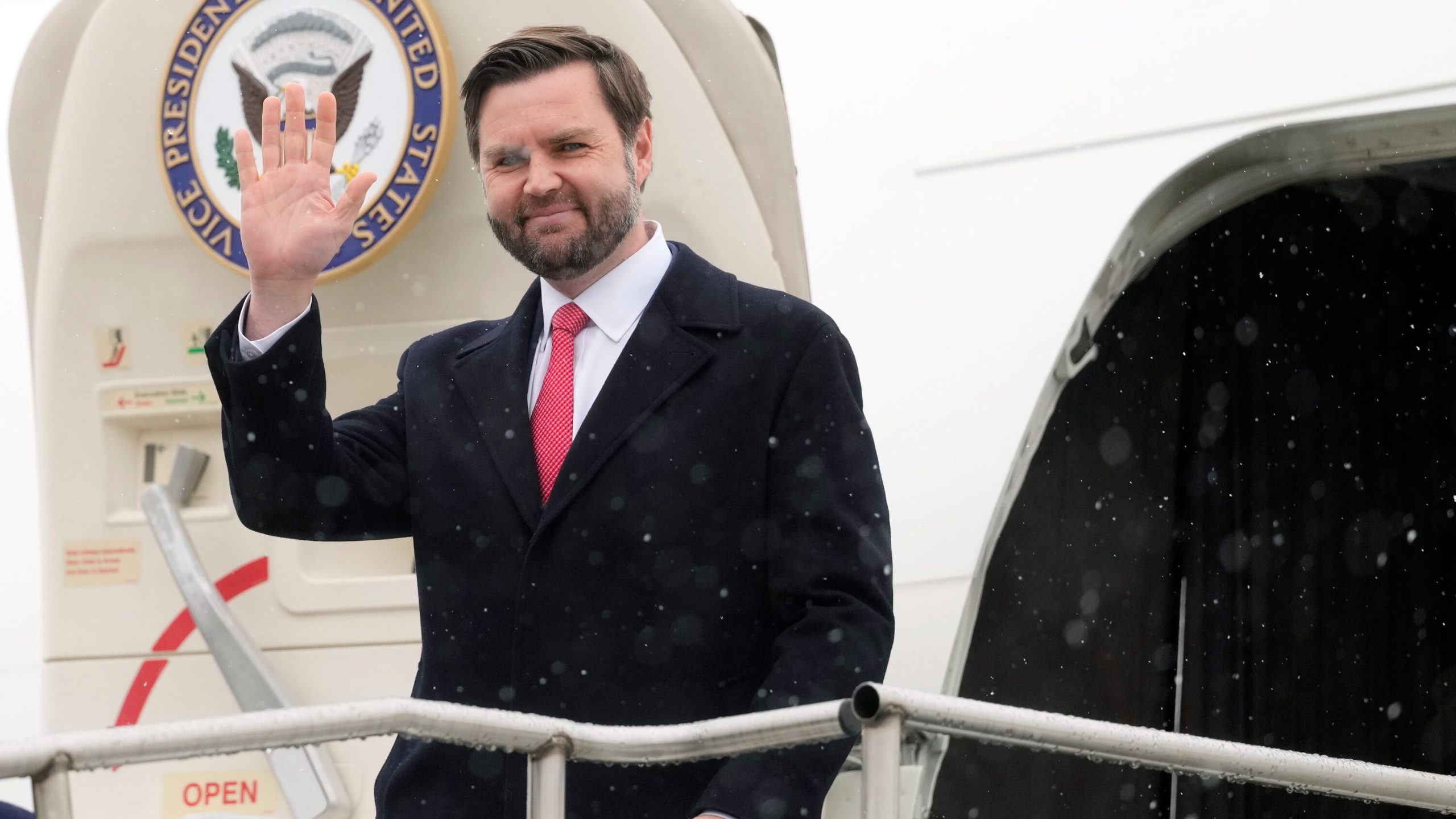
During the event, Vance suggested that the pope should be cautious when commenting on complex issues like war and theology. His remarks were met with mixed reactions, including audible اعتراض from the audience. Despite the disruption, Vance continued his speech, attempting to clarify his position and defend the administration’s approach. He also emphasized the importance of open dialogue, even when disagreements are strong. The crowd’s reaction reflected a broader divide among Americans, including within conservative circles. Some attendees supported the administration’s stance, while others expressed concern about the tone and direction of the political discourse, particularly when it involves religious figures.
The Role of Faith in Global Conflicts
This situation raises important questions about the role of religious leaders in political debates. Pope Leo XIV has argued that moral principles should guide decisions about war and peace, urging leaders to prioritize human life and dialogue over force. Historically, religious figures have often spoken out on global issues, especially when ethical concerns are involved. However, the current conflict illustrates how such interventions can lead to friction when they challenge government policies or political narratives. For many observers, the debate is not just about one event or one disagreement, but about the broader relationship between moral authority and political power in a rapidly changing world.
Conclusion
The heckling incident involving JD Vance serves as a snapshot of a larger and more complex conflict. It reflects tensions between political leadership and religious authority, as well as divisions within the public itself. As debates over war, morality, and leadership continue, moments like this highlight how deeply interconnected these issues have become. Whether through speeches, public اعتراض, or global statements, the conversation is far from over—and its outcome may shape both political and moral discourse in the years ahead.