
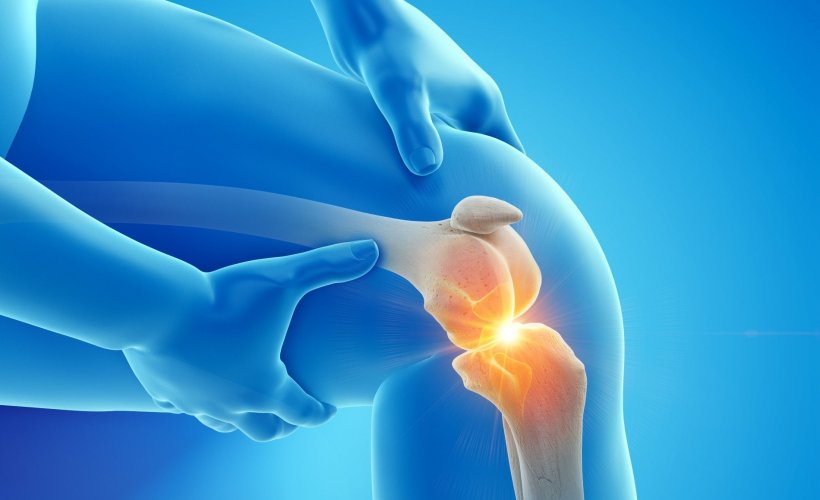
Knee pain is one of the most common joint problems as people get older. It usually starts as mild stiffness or occasional aching, but can gradually become more persistent due to natural changes inside the joint.
1. Cartilage Wear and Tear (Main Cause)
Inside the knee joint, a smooth tissue called cartilage acts as a cushion between bones. Over time, this cartilage naturally wears down from years of walking, running, climbing stairs, and general use.
When it thins:
- Bones lose their protective padding
- Friction increases in the joint
- Pain, stiffness, and swelling appear
This process is strongly linked to osteoarthritis, the most common age-related knee condition.
2. Muscle Weakness Around the Knee
As we age, we naturally lose muscle mass (a process called sarcopenia). The muscles around the knee—especially the thighs—help support and stabilize the joint.
When these muscles weaken:
- The knee absorbs more pressure
- Movements like stairs or standing feel harder
- Injury risk increases
This extra strain can make pain worse over time.
3. Less Flexible Ligaments and Tendons
Ligaments and tendons become less elastic with age. This reduces flexibility and makes the knee less stable. Even simple movements can start to feel stiff or uncomfortable.
4. Reduced Joint Lubrication
The knee produces a natural fluid (synovial fluid) that helps it move smoothly. With age, production can decrease, leading to:
- Stiffness after resting
- “Crunchy” feeling when moving
- Increased friction in the joint
5. Weight and Pressure on the Knee
The knees carry a large load—often more than body weight when walking or climbing stairs. Extra weight increases pressure on the joint and speeds up wear and tear.
6. Inflammation and Conditions
Age also increases the risk of inflammatory joint diseases like:
- Osteoarthritis
- Rheumatoid arthritis
- Gout
These conditions can cause swelling, pain, and reduced movement.
7. Poor Alignment and Posture Changes
Changes in posture, foot arches, or hip strength can shift how weight is distributed through the knee. Over time, this uneven pressure causes localized pain and faster joint wear.
Important Reality Check
Even though knee pain is common with age, it is not inevitable. Many people reduce or prevent symptoms by:
- Strengthening leg muscles
- Staying active with low-impact exercise
- Maintaining a healthy weight
- Treating injuries early
Conclusion
Knee discomfort increases with age mainly because of cartilage wear, muscle weakening, reduced flexibility, and long-term joint stress. But it is not simply “getting older”—it is a combination of wear-and-tear and lifestyle factors that can often be improved with care and movement.
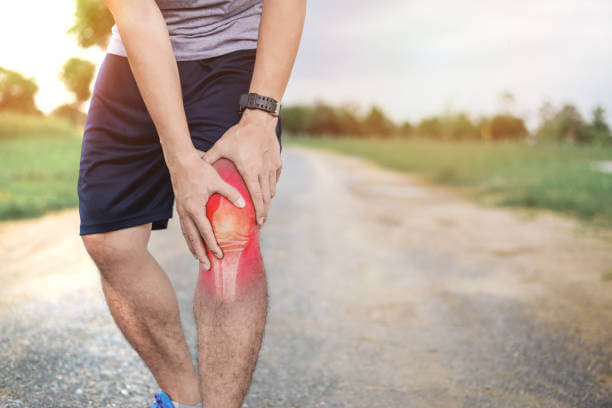
How Knee Pain Is Diagnosed
When knee discomfort becomes frequent or limits movement, doctors usually start with a detailed assessment rather than immediate imaging. They will ask about:
- When the pain started
- Whether it worsens with activity or rest
- Any past injuries
- Swelling, stiffness, or clicking sounds
A physical examination checks range of motion, stability, and tenderness around the joint. If needed, further tests may be used.
Common Diagnostic Tools
X-rays: show bone changes and signs of osteoarthritis
MRI scans: reveal cartilage, ligaments, and soft tissue damage
Blood tests: help detect inflammation or conditions like rheumatoid arthritis
Joint fluid analysis: used if infection or gout is suspected