

Cancer spreading through the body can sound frightening, but medically it follows a very well-understood process. One of the main pathways it uses is the lymphatic system, a network that normally helps protect your body from infection. Understanding this system helps explain how cancer moves and why doctors check lymph nodes during diagnosis.
What the Lymphatic System Does
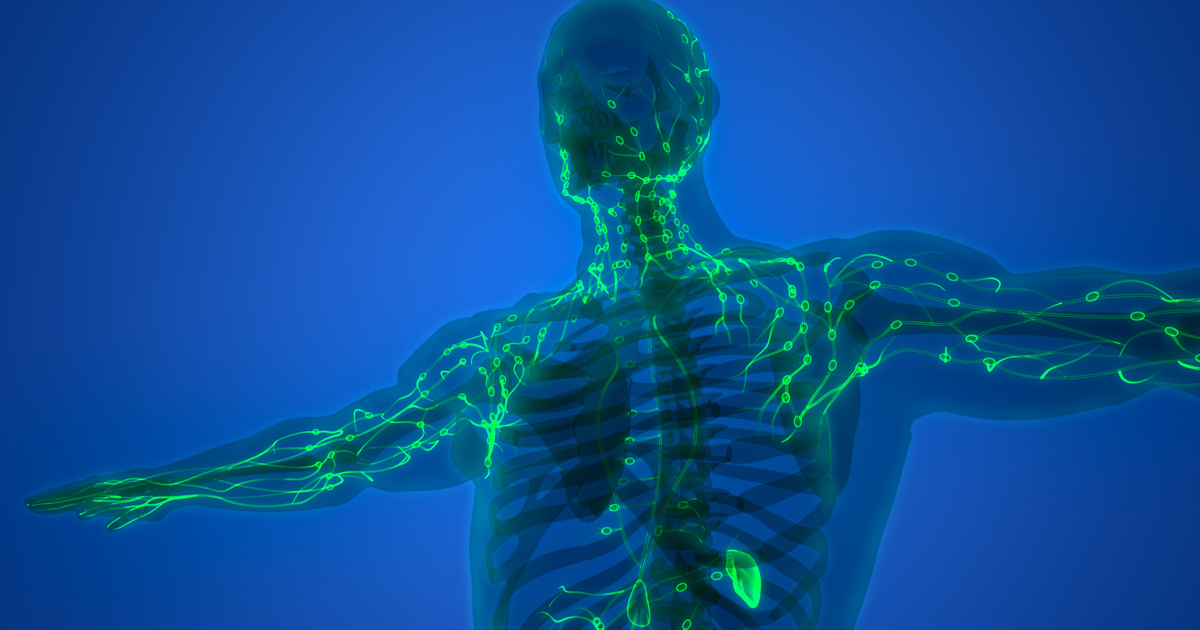
The lymphatic system is part of your immune defense. It includes a network of vessels and small structures called lymph nodes. These nodes act like filters, trapping bacteria, viruses, and abnormal cells while immune cells attack them. Lymph fluid circulates through this system, carrying waste and immune cells throughout the body. Normally, it helps keep you healthy — but cancer can sometimes take advantage of it.
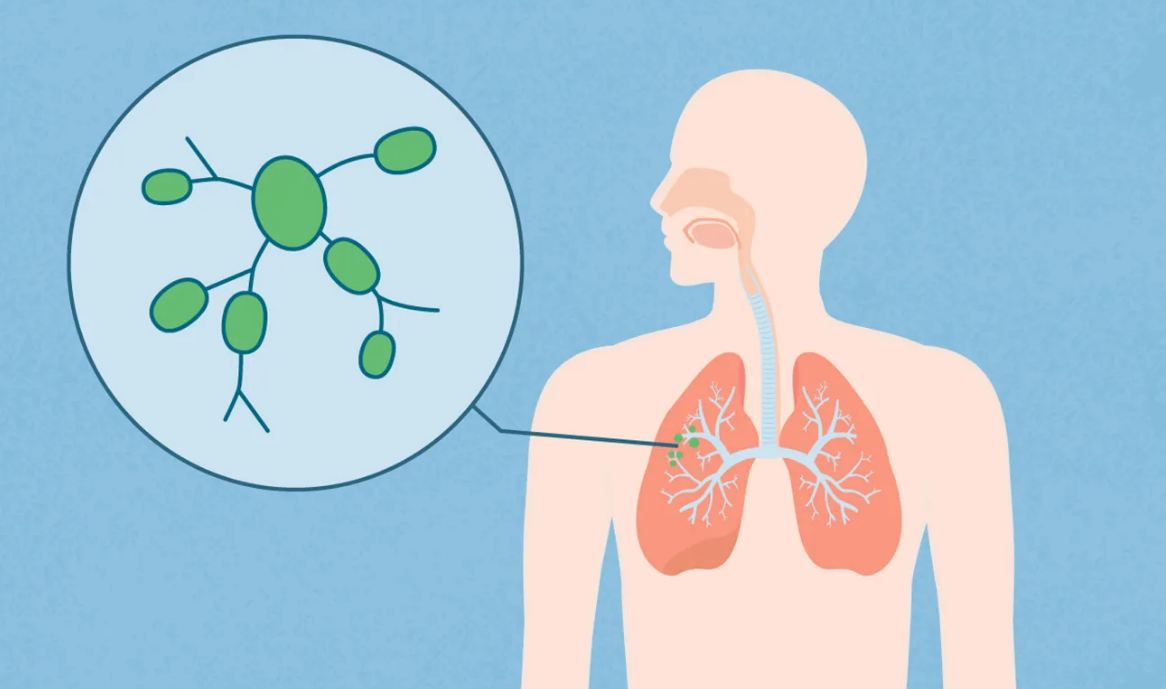
How Cancer Cells Enter the Lymph System
Cancer begins when cells in a part of the body grow uncontrollably. As a tumor develops, some cancer cells can break away from it.
These cells may then:
Invade nearby tissue
Enter small lymph vessels
Be carried along with lymph fluid
Once inside the lymph system, they can travel to nearby lymph nodes, which are like checkpoints or “stations” in the network.
Why Lymph Nodes Are Often the First Stop
Lymph nodes are located throughout the body — in the neck, armpits, chest, abdomen, and groin. Because lymph fluid naturally flows through them, they often become the first place where escaped cancer cells get trapped.
In some cases:
The immune system destroys these cells
In other cases, cancer cells survive and begin to grow
When cancer is found in lymph nodes, it may indicate that it has started to spread beyond its original location.
From Lymph Nodes to Other Organs
If cancer cells continue to survive and multiply, they can eventually spread further. They may:
Move from one lymph node to another
Enter the bloodstream
Travel to distant organs such as the lungs, liver, bones, or brain
This process is called metastasis, which means cancer spreading from its original site to new parts of the body. At this stage, the cancer is still classified by where it started — for example, breast cancer that spreads to the lungs is still called breast cancer.
Why Cancer Can Use the Lymph System
Cancer cells are different from normal cells in ways that make spread easier:
They can detach more easily from the original tumor
They can move through tissue
They can survive in new environments better than normal cells
Once they enter the lymphatic system, they are essentially using a natural transport network already present in the body.
Can You “Support” the Lymph System?
Articles online often talk about “supporting lymph health,” but medically, there is no special detox or supplement that prevents cancer spread through the lymph system.
However, general health practices can support immune and lymph function, such as:
Regular physical activity (helps lymph fluid circulate)
Staying hydrated
Treating infections early
Following medical screening and treatment plans when needed
Most importantly, cancer spread is not controlled by lifestyle alone — it requires medical diagnosis and treatment.
Conclusion
Cancer spreads through the lymphatic system when cells break away from a tumor and travel through lymph vessels into lymph nodes. From there, it can sometimes move further into the body. The lymph system is normally a protective immune network, but cancer can occasionally exploit it as a pathway for spread. That’s why doctors carefully examine lymph nodes when diagnosing and staging cancer — it provides important information about how far the disease may have progressed.