An itchy scalp is a common complaint one almost everyone experiences from time to time. While occasional itchiness may be harmless, persistent or intense scalp itching can signal underlying skin conditions, allergies, stress, or even systemic health issues. Understanding the possible causes helps you address the root of the problem rather than just the symptom.
1. Dry Scalp: The Most Common Culprit
One of the simplest reasons your scalp might itch is dry skin. Dryness can be caused by:
- Cold, dry weather
- Excessive washing with harsh shampoos
- Not rinsing shampoo or conditioner thoroughly
- Hard water
- Age (skin tends to dry with aging)
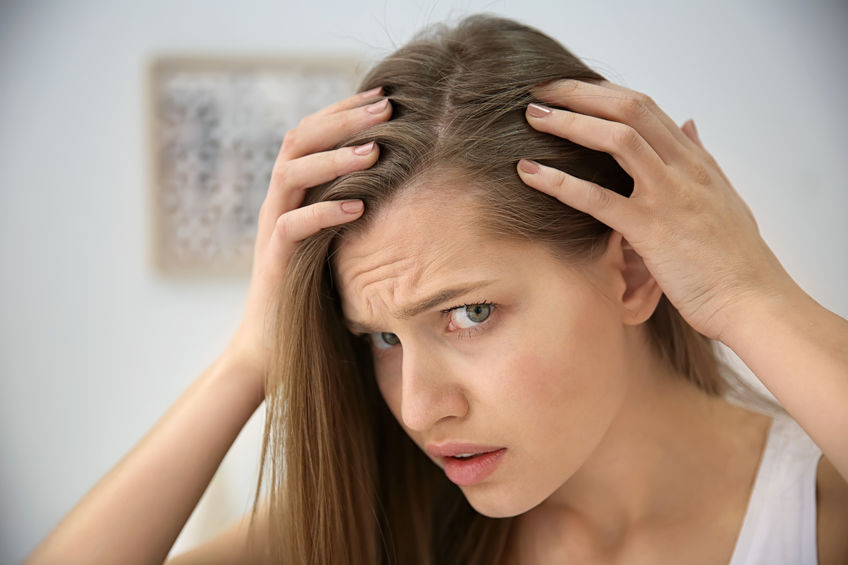
When the scalp lacks moisture, it becomes dry, flaky, and irritated — similar to dry skin on other parts of the body. You may notice small flakes and redness along with the itch.
How to help:
Use a gentle, moisturizing shampoo and conditioner. Avoid shampooing every day if your hair tolerates less frequent washing. Look for products with ceramides, hyaluronic acid, or oils like argan or jojoba.
2. Dandruff and Seborrheic Dermatitis
Dandruff is a very common cause of itchiness and flaking. It’s often due to a mild inflammation of the scalp. Seborrheic dermatitis is a more severe form of dandruff that produces larger flakes, redness, and greasy patches.
Possible triggers include:
- Yeast (Malassezia) on the skin
- Oily scalp
- Stress
- Hormonal changes
- Unlike dry scalp, dandruff flakes are usually larger and oilier.
How to help:
Medicated shampoos containing zinc pyrithione, ketoconazole, selenium sulfide, or salicylic acid can be effective. Follow directions carefully, and consult a dermatologist if the problem persists.
3. Scalp Psoriasis
Psoriasis is a chronic autoimmune skin disease that can affect the scalp. It results in thick, silvery scales and inflamed patches. The skin may crack, bleed, and be intensely itchy or painful. Scalp psoriasis can extend beyond the hairline and often shows well‑defined borders.
How to help:
Prescription treatments — such as topical corticosteroids or newer biologic medications — are often needed, so a dermatologist evaluation is recommended.
4. Allergic Reactions and Irritants
An itchy scalp may be your body reacting to:
- Hair dyes
- Shampoos or conditioners
- Styling products
- Scalp treatments
- This is known as contact dermatitis, an allergic reaction that causes itching, redness, and sometimes blistering.
How to help:
Identify and stop using the suspected product. Patch testing by a dermatologist can help identify specific allergens.
5. Head Lice and Mites
Though less common in adults, head lice cause intense itching, especially at the nape of the neck and behind the ears. Lice are tiny and may be visible near the roots of hair. Similarly, scalp mites (Demodex) — microscopic organisms — can contribute to itching in some people.
How to help:
Over‑the‑counter or prescription lice treatments are available. A healthcare provider can confirm diagnosis.
6. Stress and Hormonal Factors
Believe it or not, stress itself can worsen scalp itching and exacerbate conditions like dandruff or psoriasis. Hormonal changes — such as postpartum shifts or thyroid imbalances — may also influence scalp health.
When to See a Doctor
Seek evaluation if:
✔ The itch persists for weeks
✔ You see redness, swelling, scaling, or sores
✔ Hair loss is noticeable
✔ Over‑the‑counter treatments don’t help
✔ You suspect infection (e.g., pus, fever)
A dermatologist can perform examinations, tests, and tailored treatment plans.
Takeaway
An itchy scalp is more than a nuisance — it’s often your body signaling a skin or health issue that may deserve attention. Causes range from simple dryness and dandruff to allergic reactions, scalp psoriasis, or lice. With the right treatment and care, most causes of scalp itchiness can be managed effectively. If your symptoms are severe or persistent, a healthcare professional can help you find the right solution.