
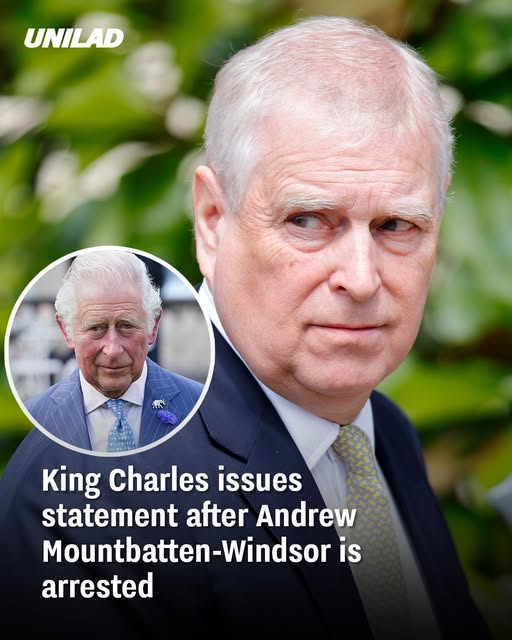
The British royal family has been thrust back into the spotlight following reports that Prince Andrew, the Duke of York, was arrested in connection with an ongoing investigation. The development has reignited long-standing public scrutiny surrounding the controversial royal, whose past associations and legal troubles have repeatedly drawn global attention. News of the arrest spread rapidly, prompting widespread reaction both in the United Kingdom and internationally.
While official details remain limited, authorities confirmed that the matter relates to allegations that have been under review for some time. The arrest does not equate to a conviction, but it marks a significant escalation in a saga that has already damaged the Duke’s reputation and altered his standing within the monarchy.
A Statement from King Charles III
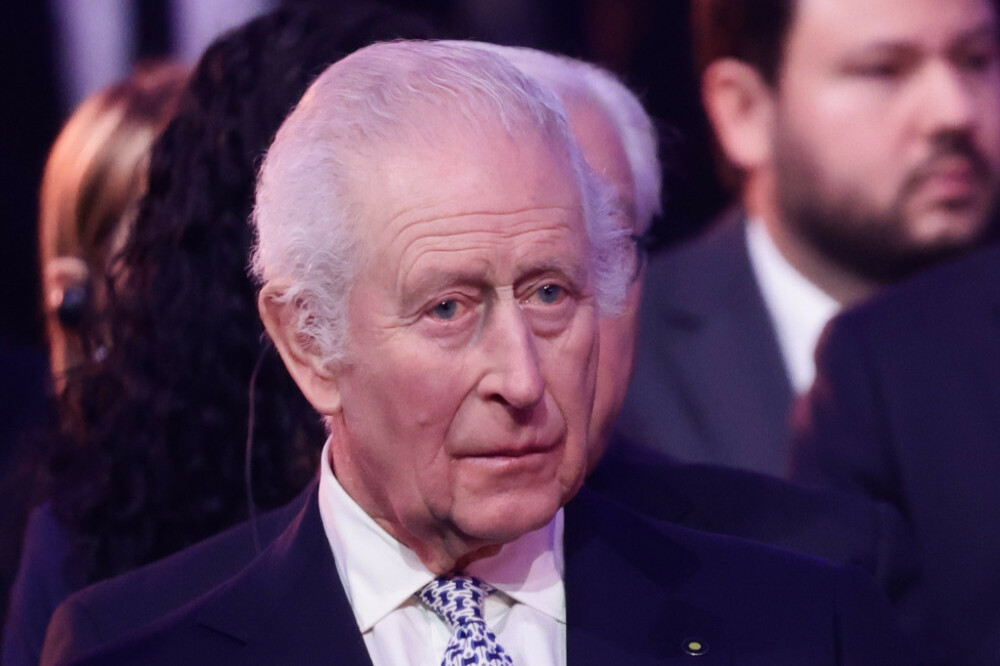
Shortly after the reports emerged, Buckingham Palace released a brief statement on behalf of King Charles III. The message emphasized that the legal process must be respected and that it would be inappropriate to comment further while proceedings are ongoing. The King underscored the importance of allowing the authorities to carry out their work independently, reflecting the royal household’s long-standing position of avoiding interference in judicial matters. Observers noted the careful wording of the statement, which avoided any explicit defense or condemnation. Instead, it focused on upholding institutional principles and maintaining stability during what could become another difficult chapter for the monarchy.
Background of Controversy
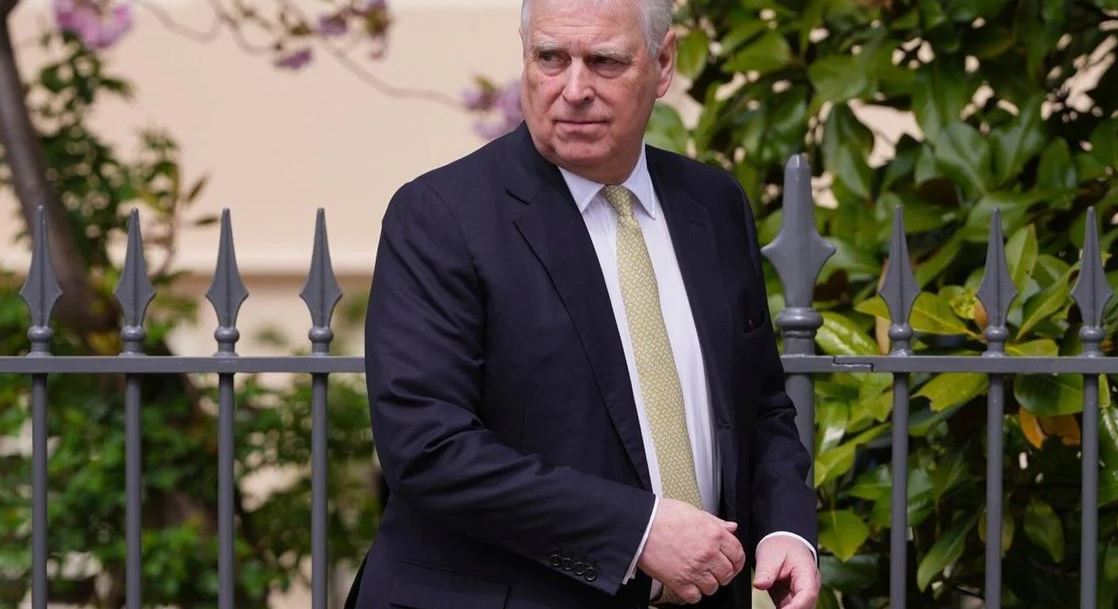
Prince Andrew’s public image has been under strain for years. His friendship with disgraced financier Jeffrey Epstein triggered widespread criticism and led to intense media coverage. In 2019, a televised interview intended to clear his name instead deepened public skepticism. Following mounting pressure, Andrew stepped back from official royal duties.Subsequent civil litigation in the United States further complicated matters. Although he denied wrongdoing, a financial settlement was eventually reached without an admission of liability. The episode significantly affected his role within the royal institution, resulting in the removal of military titles and patronages. The latest arrest now revives debate about accountability, transparency, and the long-term implications for the royal family’s reputation.
Public and Political Reaction
Reaction has been swift across political and social circles. Some commentators argue that the arrest demonstrates that no individual, regardless of status, is above the law. Others caution against rushing to judgment before the legal process concludes. Social media platforms have been flooded with commentary, reflecting deep divisions in public opinion. Within Parliament, a handful of lawmakers have called for clarity regarding any potential security or constitutional implications. However, constitutional experts note that Prince Andrew does not hold a central governing role and has not carried out official duties for some time. Therefore, the immediate political consequences may be limited, even if the symbolic impact is substantial.
Impact on the Monarchy’s Image
For King Charles III, the timing presents an additional challenge. The monarch has been working to modernize and streamline the royal family, aiming to reinforce public trust. Renewed controversy surrounding his brother complicates that effort, particularly at a moment when the institution seeks to project unity and stability. Public approval of the monarchy has fluctuated in recent years. While many citizens distinguish between individual members and the institution itself, repeated scandals can erode confidence over time. Royal analysts suggest that transparent communication and adherence to due process will be critical in shaping public perception moving forward.
What Comes Next
Legal proceedings are expected to unfold in the coming weeks, though timelines remain uncertain. As with any criminal matter, the presumption of innocence applies unless and until guilt is established in court. The palace has indicated that it will not provide ongoing commentary. For now, attention remains fixed on the judicial process and its potential ramifications. Regardless of the outcome, the episode underscores how personal controversies can ripple outward, affecting not only individuals but also long-standing institutions with deep historical roots.