

Skywatchers around the world were treated to a spectacular total solar eclipse on August 12, 2026. The event crossed parts of Greenland, Iceland, northern Russia, Spain and a small section of Portugal, while a much wider region experienced a partial eclipse. NASA confirmed that the Moon completely covered the Sun along the narrow path of totality. For anyone who missed the spectacle, however, there is good news. Another total solar eclipse is coming relatively soon, and its path will once again bring totality to parts of Europe and northern Africa.
The Next Total Eclipse Is in 2027
The next total solar eclipse will occur on August 2, 2027. Unlike the 2026 event, which crossed northern parts of Europe, the 2027 eclipse will have a path of totality stretching across parts of southern Europe and North Africa. The total eclipse is expected to pass through areas including southern Spain, Morocco, Algeria, Tunisia, Libya and Egypt, before continuing across the Middle East and other regions. This makes it particularly appealing to European travelers who want to experience totality without having to travel to another continent.
Why Total Solar Eclipses Are So Special
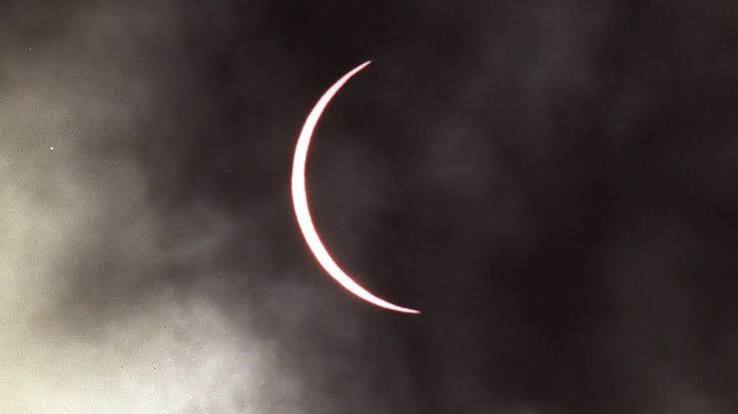
A total solar eclipse occurs when the Moon passes directly between Earth and the Sun and appears large enough to completely cover the Sun’s visible disk. For a brief period, daytime can become dramatically darker. The Sun’s outer atmosphere, known as the corona, becomes visible around the Moon’s silhouette. This is one of the reasons totality is considered one of the most remarkable sights in astronomy. However, totality is only visible along a relatively narrow path. Outside that corridor, observers may see a partial eclipse, but the experience is very different. The 2026 eclipse demonstrated just how important location can be. Millions of people across Europe were able to see at least part of the eclipse, while only those positioned within the narrow path witnessed the Moon completely covering the Sun.
What About North America?
People in the United States who are hoping for another spectacular total eclipse will have to wait considerably longer. The next total solar eclipse visible across the United States is expected in 2044. Its path will cross parts of the northern United States, including Montana, North Dakota and South Dakota. Another major eclipse will follow in 2045, with a much broader path across the country. That means the 2027 eclipse is particularly interesting for travelers in Europe and nearby regions.
Planning Ahead for 2027
For those who want to witness the next total eclipse, planning early could make the experience considerably easier. Popular destinations along the path of totality are likely to attract large numbers of visitors. Southern Spain and parts of North Africa could offer especially memorable viewing opportunities, although local weather conditions will play an important role. One lesson from the 2026 eclipse is that clear skies cannot be guaranteed simply because a location lies directly in the path of totality. Travelers should consider both the eclipse path and historical weather conditions when choosing where to watch.

A Spectacular Decade for Eclipse Chasers
The 2027 event is just the beginning of several impressive total solar eclipses. A total eclipse will cross Australia and New Zealand in July 2028, while another will pass through parts of southern Africa and Australia in November 2030. For astronomy enthusiasts, the coming years therefore offer several opportunities to experience one of nature’s most extraordinary celestial events. For those who missed totality in 2026, August 2, 2027 could be the next major date to circle on the calendar.