
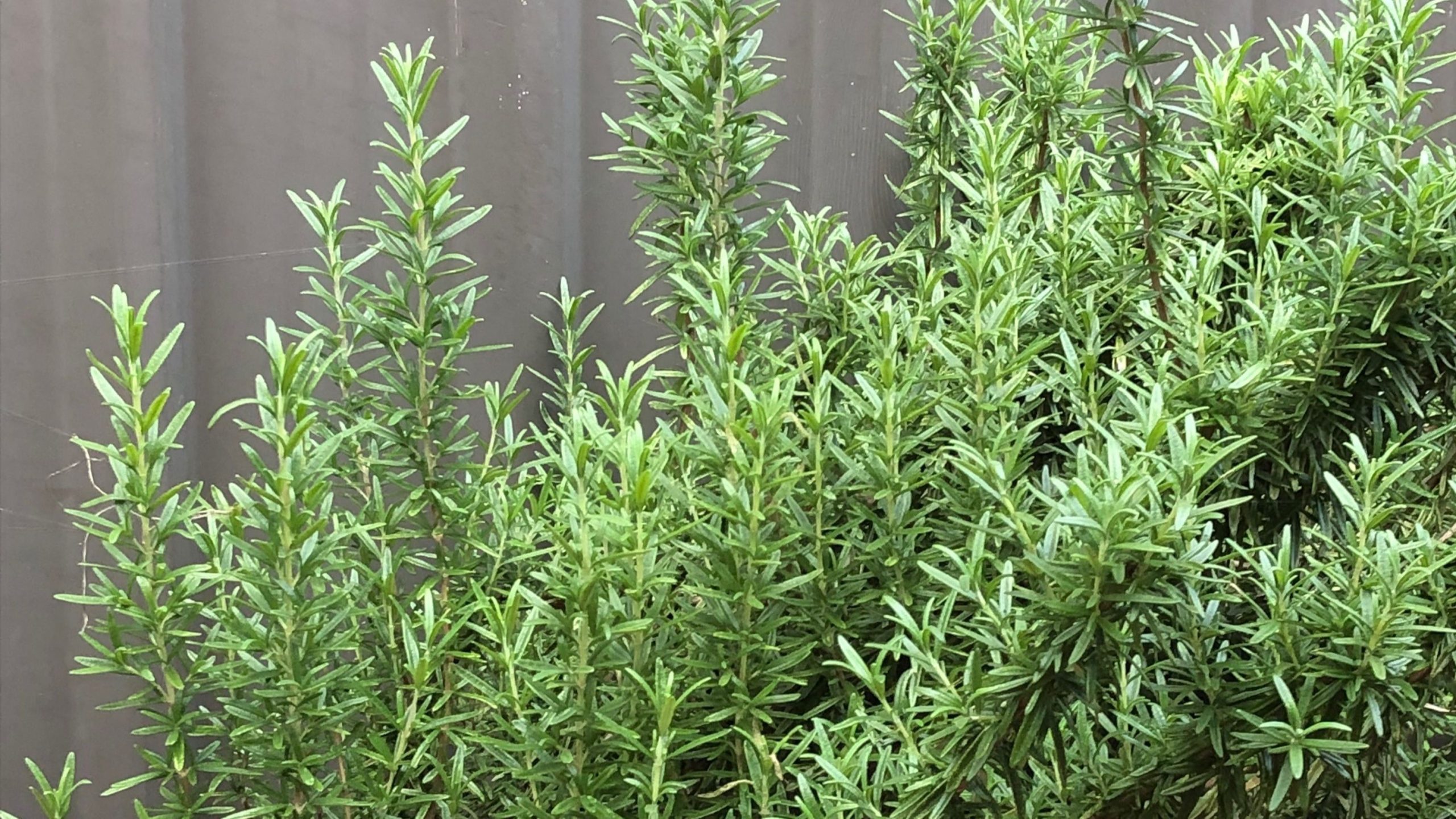
Rosemary is a fragrant evergreen herb that has been used for centuries in cooking and traditional wellness practices. Today, it is often discussed for its potential benefits for older adults, especially in areas like memory, mood, digestion, and overall wellbeing. While it is not a cure or treatment for any disease, research suggests it may offer mild supportive effects when used regularly in food, tea, or aromatherapy.
A Herb With a Long History
Rosemary has been valued since ancient times for both culinary and medicinal uses. It grows naturally in Mediterranean regions and is commonly used as a seasoning in food, but it has also been studied for its plant compounds that may support human health. Traditionally, it has been associated with improving memory, boosting circulation, and supporting general vitality—ideas that modern science is now beginning to explore more carefully.
Possible Support for Memory and Brain Health
One of the most discussed benefits of rosemary is its potential effect on brain function. Some research suggests that compounds in rosemary, especially 1,8-cineole, may help slow the breakdown of acetylcholine, a brain chemical involved in learning and memory. This is why rosemary has long been symbolically linked to memory, even appearing in historical texts like Shakespeare’s writings. Studies in older adults have shown that small amounts of rosemary may improve memory speed and cognitive performance, although stronger doses do not necessarily produce better results. In aromatherapy studies, simply inhaling rosemary scent has been linked to improved alertness and concentration in some participants, including older adults.
Mood, Stress, and Mental Clarity
Beyond memory, rosemary may also have a mild effect on mood. Some studies suggest that exposure to rosemary aroma or small dietary amounts may help reduce feelings of stress and mental fatigue. Older adults sometimes experience changes in mood and energy levels, and calming herbs like rosemary are often explored as supportive natural options. The herb’s scent alone has been associated with improved alertness and a more positive mental state in small studies.
Physical Health and Digestion Support
Rosemary is rich in antioxidants and plant compounds that may support general health. It has been traditionally used to help with digestion, circulation, and mild inflammation. Some people use it in tea or meals to help ease bloating or support appetite, especially in older age when digestion can become slower. Its natural compounds may also contribute to overall antioxidant intake, which is important for long-term health.
Easy Ways to Use Rosemary
There are several gentle ways older adults can include rosemary in daily life:
As a cooking herb in soups, meats, and vegetables
In herbal tea made from fresh or dried leaves
As essential oil in aromatherapy diffusers (used carefully and in small amounts)
In small dietary portions as part of Mediterranean-style meals
Because it is strong in flavor and active compounds, only small amounts are needed to enjoy its benefits.
Safety and Considerations
For most people, rosemary used in food is safe. However, concentrated forms like essential oil should be used carefully. Large doses or undiluted oil may cause side effects such as stomach irritation or allergic reactions. It may also interact with certain medications, so older adults with chronic conditions should be cautious and consult a healthcare professional before using concentrated supplements.
Final Thoughts
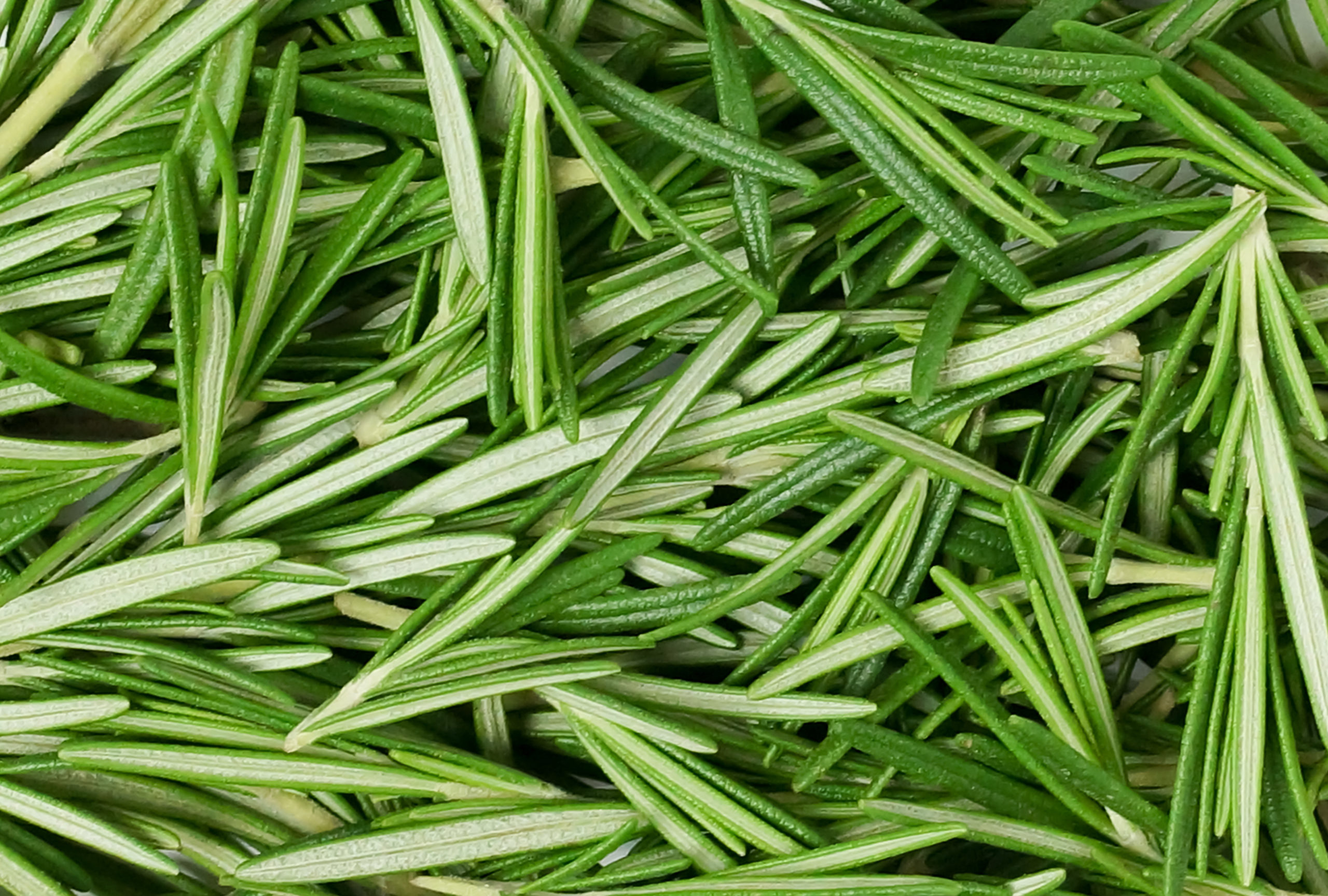
Rosemary is a simple, natural herb with a long history of use and growing scientific interest. For older adults, it may offer gentle support for memory, mood, and digestion, especially when included as part of a healthy diet or lifestyle. While it is not a treatment for medical conditions, its mild effects and rich aroma make it a valuable everyday companion in traditional wellness practices.