

Users of Meta platforms are once again being reminded to think carefully before screenshotting private conversations after an update to Facebook Messenger introduced screenshot notifications for disappearing messages.
The feature, originally announced by Mark Zuckerberg, alerts users when someone takes a screenshot during an end-to-end encrypted disappearing chat. The update was designed to improve privacy and make conversations more secure.
How The Screenshot Alert Works
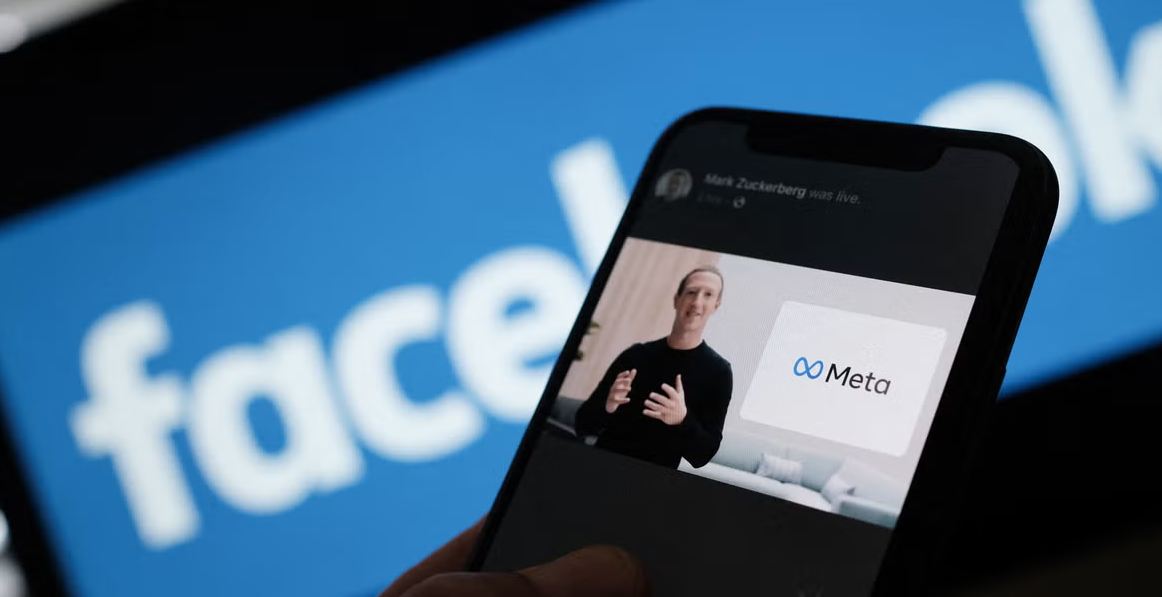
According to Zuckerberg’s announcement, the notification system only applies to disappearing messages inside encrypted chats. If someone captures a screenshot while viewing one of these temporary conversations, the other participant may receive an alert. The feature works similarly to screenshot notifications already used on apps like Snapchat. Meta introduced it as part of a broader push toward encrypted messaging across both Messenger and Instagram direct messages. Zuckerberg shared the update in a Facebook post demonstrating how the warning appears inside a chat. He also confirmed additional encrypted-chat features, including GIFs, reactions, stickers, and reply functions.
Users Quickly Pointed Out Loopholes
After the update was announced, social media users immediately debated how effective the screenshot warning system really is. Many commenters noted that people could still bypass the feature by using screen-recording software or taking a photo of the conversation with another phone. Others joked about temporarily disconnecting internet access before taking screenshots. Despite those loopholes, privacy experts say the feature still acts as a deterrent because it discourages casual sharing of private disappearing messages.
Some Claims About Screenshot Bans Were Exaggerated
Over time, several viral posts online incorrectly claimed that Zuckerberg had completely banned screenshots on Facebook chats. However, fact-checkers later clarified that the notification system only applies to disappearing encrypted messages — not all conversations on the platform. There is currently no evidence that ordinary Messenger chats trigger screenshot notifications outside disappearing-message mode.
Privacy Features Continue Expanding
Meta has increasingly focused on encrypted communication as privacy concerns continue growing across social media platforms. End-to-end encryption prevents outside parties — including the platform itself in many cases — from reading private conversations while they are transmitted. The company has continued adding features designed to make private messaging more similar across its apps, including disappearing messages, encrypted calls, reactions, and advanced chat controls. While screenshot notifications may not completely stop people from saving conversations, the update serves as a reminder that disappearing messages are no longer as anonymous as some users assume.
Experts Say Privacy Features May Change Online Behavior
Technology analysts believe features like screenshot notifications could gradually change how people communicate online, especially in private conversations. Some experts say users may become more cautious about sharing sensitive photos, personal information, or controversial opinions if they know screenshots can trigger alerts. Others argue the feature could help reduce harassment and the spread of private messages without consent. In recent years, concerns about leaked conversations and shared screenshots have become increasingly common across social media platforms. Digital privacy researcher Jen Caltrider from Mozilla previously explained that many users wrongly assume disappearing messages are fully protected from being saved or redistributed. In reality, screenshot notifications only provide limited protection because conversations can still be copied in other ways.

Meta Continues Expanding Encrypted Messaging
Meta Platforms has continued investing heavily in encrypted communication tools across both Messenger and Instagram. The company says encryption is meant to give users greater control over private conversations and reduce the risk of unauthorized access.