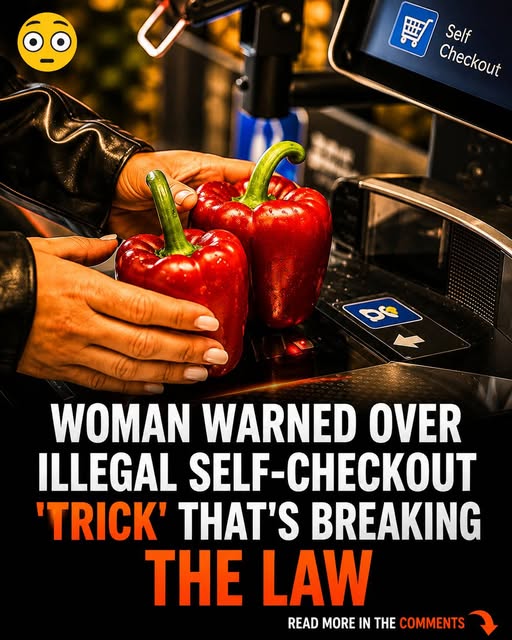
Self-checkout stations have become a familiar feature in supermarkets and retail stores around the world. Designed to provide convenience and reduce waiting times, these systems allow customers to scan and pay for their purchases without assistance from a cashier.
While most shoppers use self-checkout honestly, social media has helped spread various so-called “hacks” that claim to save money during the checkout process. One of the most widely discussed examples is known as the “banana trick,” a practice that may seem harmless but can carry significant risks.
What Is the Banana Trick?
The banana trick involves intentionally selecting the code for a low-cost item, such as bananas, when weighing and scanning a more expensive product. Since many fruits, vegetables, and other produce items are sold by weight, self-checkout systems require customers to identify the item being purchased. By choosing a cheaper product code instead of the correct one, a shopper may pay substantially less than the actual price of the item. For example, someone could label expensive organic produce as a lower-priced fruit or vegetable to reduce the total cost. Although some people describe the practice as a clever shortcut, retailers and law enforcement agencies generally view it very differently.
Why It Is Considered Theft
At its core, the banana trick involves deliberately paying less than the correct price for merchandise. Retailers classify this behavior as theft because the customer knowingly provides false information to obtain goods at a lower cost. The fact that the transaction occurs through a self-checkout machine does not change the legal or ethical implications. Intentionally misrepresenting a product’s identity in order to avoid paying full price can be treated the same as other forms of shoplifting. Many shoppers mistakenly believe that such actions are difficult to detect, but modern retail technology has become increasingly sophisticated.
Stores Are Watching More Closely Than Ever
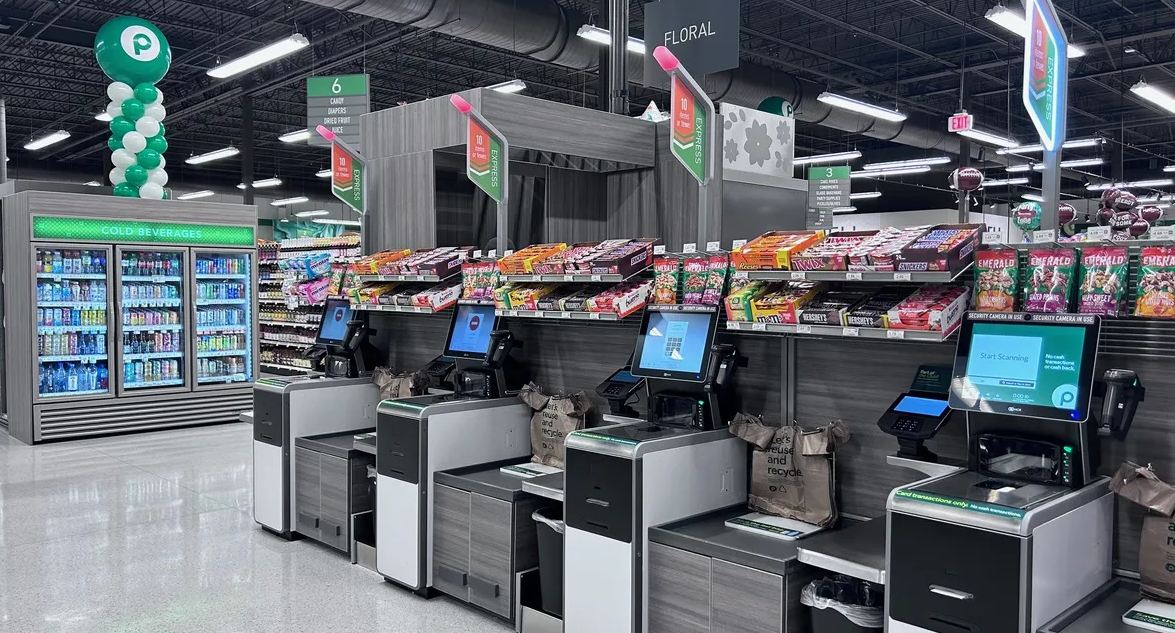
Retailers invest heavily in loss-prevention systems designed to reduce theft. Modern self-checkout areas often include multiple layers of monitoring, including security cameras, artificial intelligence systems, weight sensors, and employee supervision. Some stores use software capable of identifying mismatches between scanned items and the products visible on camera. Others compare the expected weight of a purchase with the actual weight placed in the bagging area. These technologies allow retailers to detect suspicious behavior that might otherwise go unnoticed.
The Potential Consequences
Being caught using the banana trick can lead to consequences far more serious than many people expect. Depending on local laws and the value of the merchandise involved, individuals may face store bans, civil penalties, fines, or criminal charges. Even relatively small incidents can create legal complications. Some retailers maintain records of suspected theft and may share information with law enforcement when appropriate. A momentary attempt to save a few dollars could ultimately result in costs that far exceed the value of the products involved.
The Ethical Considerations
Beyond the legal risks, the banana trick raises important ethical questions. Self-checkout systems rely heavily on customer honesty. When shoppers intentionally manipulate the process, retailers may experience financial losses that contribute to higher operating costs. These losses can eventually affect prices, staffing decisions, and the overall shopping experience. While a single incident may seem insignificant, repeated theft across thousands of stores can have a substantial impact. Many consumers argue that maintaining honesty during self-checkout helps ensure that these convenient systems remain available.
Why the Trend Continues
Part of the reason the banana trick continues to attract attention is the influence of social media. Videos and posts often portray the practice as a harmless joke or a clever way to outsmart large corporations. However, these online discussions rarely highlight the potential legal consequences. Viewers may be exposed to the supposed benefits without fully understanding the risks involved. As a result, some people are tempted to try the tactic without considering what could happen if they are caught.
Smarter Ways to Save Money
Fortunately, there are many legitimate ways to reduce grocery costs without risking legal trouble. Shoppers can take advantage of store loyalty programs, digital coupons, promotional discounts, cashback offers, and seasonal sales. Planning meals, buying in bulk when appropriate, and comparing prices between retailers can also lead to meaningful savings over time. These methods provide financial benefits without compromising honesty or exposing consumers to unnecessary risks.
The Bottom Line
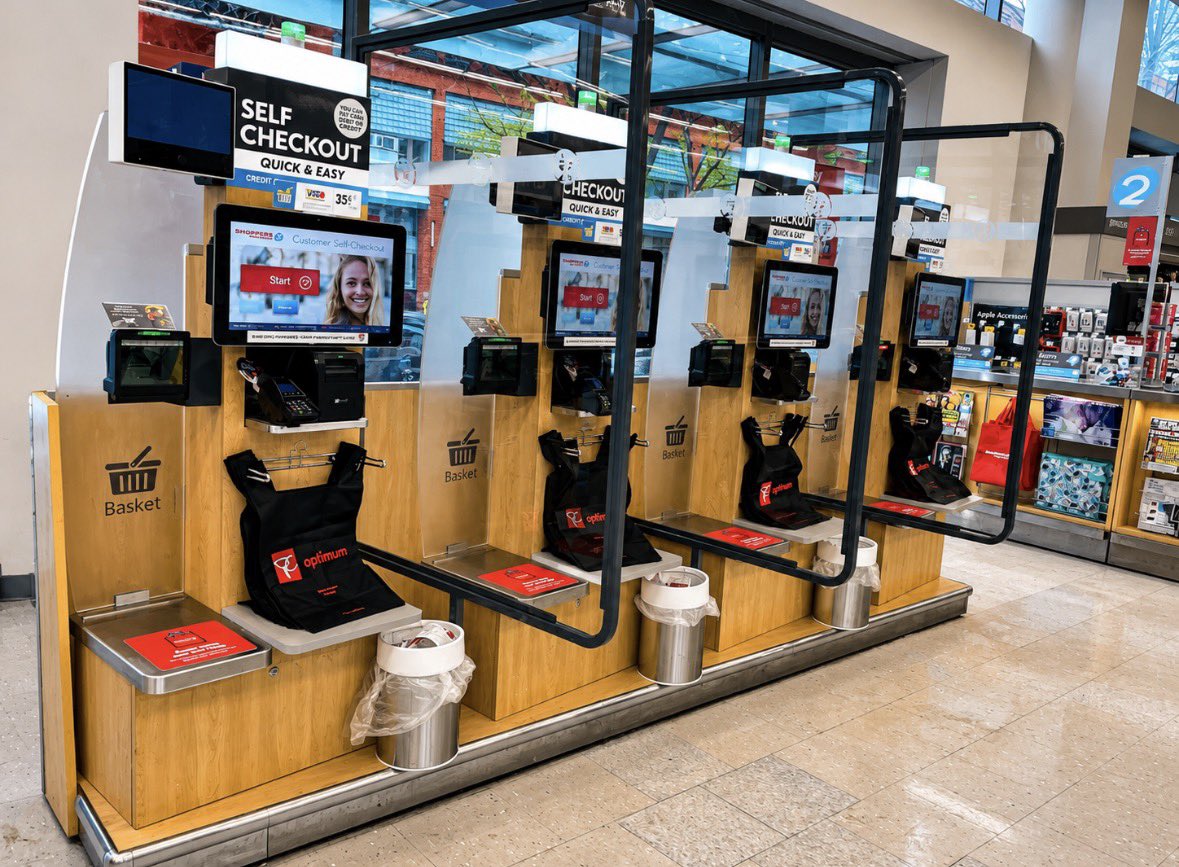
The banana trick may appear to be a simple shortcut, but it is far from harmless. What some people view as a clever self-checkout hack is generally considered theft by retailers and law enforcement agencies. With advanced monitoring systems becoming increasingly common, the likelihood of detection continues to grow. The potential consequences—including fines, store bans, and criminal charges—can far outweigh any short-term savings. In the end, the safest and smartest approach is simple: pay for products accurately, use available discounts legally, and enjoy the convenience of self-checkout without putting yourself at risk.