
Have you ever peeled a hard-boiled egg only to discover an unusual green or gray ring surrounding the yolk? While it may look unappetizing, this common kitchen occurrence is completely natural and usually nothing to worry about. Many people assume the discoloration means the egg has gone bad or has been overcooked beyond being safe to eat. In reality, the green ring is the result of a simple chemical reaction that takes place during cooking.
Understanding why it happens can help you prepare perfect hard-boiled eggs every time.
The Science Behind the Green Ring
The greenish-gray layer forms when sulfur in the egg white reacts with iron in the yolk. Egg whites contain sulfur compounds, which release hydrogen sulfide gas when exposed to heat. At the same time, the yolk naturally contains iron. When these two elements come into contact, they create a compound called ferrous sulfide, which appears as a green or gray ring around the outside of the yolk. The reaction becomes more noticeable when eggs are cooked at high temperatures or for extended periods. Although the color change may not look appealing, it is simply chemistry at work.
Is It Safe to Eat?
The good news is that eggs with a green ring are generally safe to consume. The discoloration does not indicate spoilage, contamination, or poor quality. It affects appearance and texture more than flavor, though some people find overcooked yolks slightly drier and chalkier. As long as the eggs were fresh before cooking and have been stored properly afterward, they can still be eaten without concern. If an egg develops an unpleasant odor, slimy texture, or obvious signs of spoilage, however, it should be discarded.
Why Overcooking Makes It Worse
Cooking time plays a major role in how pronounced the green ring becomes. When eggs remain in boiling water too long, more hydrogen sulfide is produced within the whites. This increases the likelihood of sulfur reacting with the iron-rich yolk. High heat can accelerate the process as well. Older eggs may also be slightly more prone to developing the discoloration because changes inside the shell can affect how the sulfur compounds behave during cooking. The result is a thicker, darker ring that becomes increasingly noticeable.
How to Prevent the Green Ring
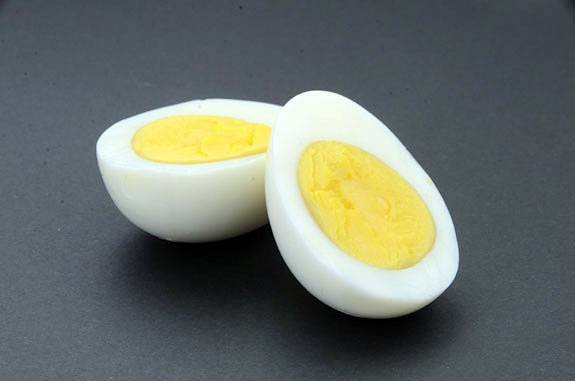
Fortunately, avoiding the green ring is relatively simple. Start by placing eggs in a saucepan and covering them with cold water. Bring the water to a boil over medium heat. Once boiling, remove the pan from the heat, cover it with a lid, and allow the eggs to sit in the hot water for approximately 9 to 12 minutes, depending on their size. Immediately transferring the eggs to an ice bath after cooking is equally important. Cooling them quickly stops the cooking process and limits the chemical reaction responsible for the discoloration. This method often produces tender whites and bright yellow yolks.
Tips for Perfect Hard-Boiled Eggs
A few additional tricks can improve your results:
Use eggs that are a few days old rather than extremely fresh ones, as they tend to peel more easily.
Avoid vigorous boiling throughout the entire cooking process.
Cool eggs in ice water for several minutes before peeling.
Store cooked eggs in the refrigerator and consume them within one week.
These simple steps can make a noticeable difference in both texture and appearance.
A Fascinating Example of Everyday Chemistry
The green ring around hard-boiled eggs is a reminder that science is constantly at work in our kitchens. What might initially seem like a cooking mistake is actually a harmless reaction between naturally occurring elements found inside the egg. By understanding the process and adjusting cooking techniques, you can minimize the discoloration and serve eggs with perfectly golden yolks. So the next time you spot a green ring around your hard-boiled egg, you can rest easy knowing that it’s not a sign of danger—just an interesting lesson in everyday kitchen chemistry.