Tattoos have become one of the world’s most popular forms of self-expression, with millions of people choosing designs that reflect their personalities, beliefs, memories, or artistic tastes. While many tattoos are selected purely for their appearance or personal significance, some symbols have hidden meanings or historical associations that many people may not realize before getting inked.
Experts in criminal justice, history, and tattoo culture have long noted that certain images have been used by gangs, prison groups, extremist organizations, or other communities to communicate identity or status. In many cases, people unknowingly choose these designs simply because they look attractive, never realizing they may carry a completely different meaning elsewhere. Understanding the background of a tattoo does not mean everyone with that design shares the same beliefs or affiliations. Meanings often vary depending on culture, location, and personal interpretation.
Symbols Can Mean Different Things
One of the most important things to remember about tattoos is that context matters. A design that represents love, freedom, or spirituality to one person may symbolize something entirely different in another country or community. Tattoos have evolved over centuries, with many symbols gaining multiple meanings through religion, folklore, military history, pop culture, and modern fashion. Because of this, experts recommend researching any permanent design before getting tattooed, especially if it includes historical symbols or foreign-language characters.
Common Designs With Hidden Histories
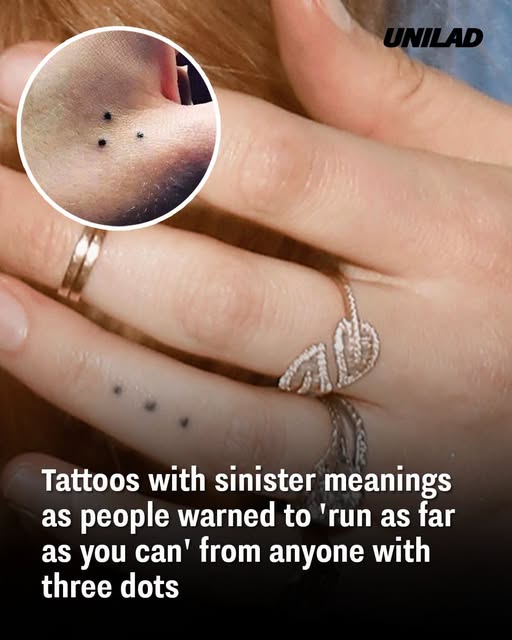
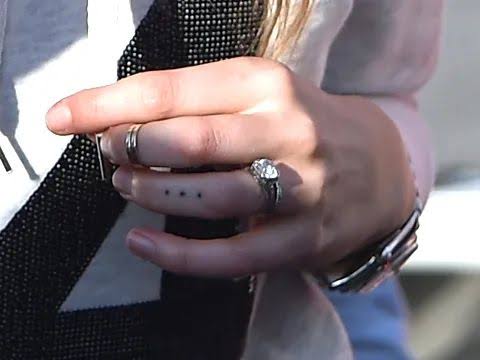
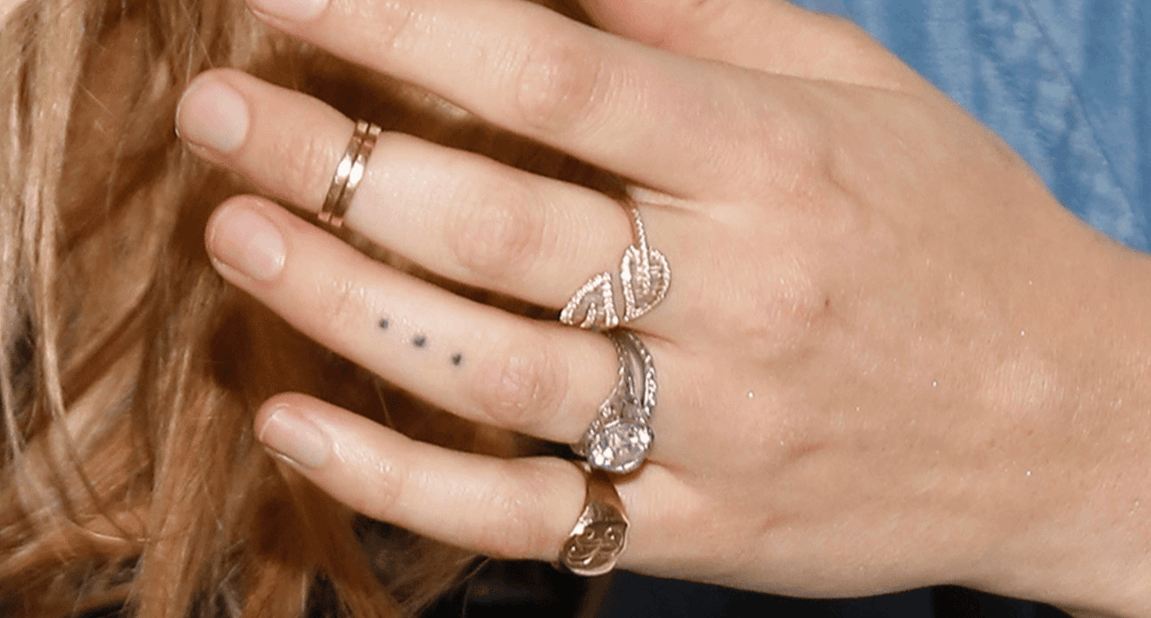
Several well-known tattoo designs have developed unexpected associations over time. Spider webs, for example, have historically appeared in prison tattoo culture in some countries, although today many people simply choose them for their visual style or connection to Halloween imagery. Three-dot tattoos have also carried different meanings around the world. In certain communities they have been linked to difficult lifestyles or prison culture, while others wear them as religious symbols or personal reminders. Five-dot patterns, teardrops, and specific crown designs have similarly developed multiple interpretations depending on where they appear and who wears them. Importantly, none of these tattoos automatically identify someone as belonging to a criminal group. Their meaning depends entirely on the individual and the context in which the tattoo was chosen.
Numbers and Letters. Numbers can also carry hidden symbolism.
Certain numerical combinations have been adopted by extremist organizations or criminal groups in different parts of the world. Because these meanings are not widely known, someone could unknowingly select a number for its personal significance while others interpret it very differently. Likewise, initials, abbreviations, or letters from other alphabets may represent organizations, ideologies, or historical movements that the wearer never intended to reference. This is one reason tattoo artists often encourage clients to research symbols carefully before making a permanent decision.
Cultural and Religious Importance
Many tattoos borrow imagery from ancient cultures and religious traditions. Runes, crosses, tribal patterns, Buddhist symbols, Japanese characters, and Indigenous artwork can all have deep cultural significance. While many people choose these designs out of admiration, experts encourage learning about their original meaning and respecting the communities from which they originate. Using sacred or culturally important symbols without understanding their history can sometimes lead to misunderstandings or unintentionally offend others.
Why Research Matters
Professional tattoo artists frequently advise clients to spend time researching any design before making it permanent. A symbol that appears harmless online may have a completely different reputation in another country or social group. Looking into a tattoo’s history can help avoid future regret and ensure the design truly reflects the wearer’s intentions. Many artists also recommend discussing ideas with experienced professionals, who may recognize symbols with controversial or unexpected backgrounds that first-time clients have never encountered.
Personal Meaning Comes First
Despite the existence of hidden meanings, tattoos remain deeply personal forms of expression. Millions of people proudly wear symbols that represent family, faith, personal growth, or important life experiences without any connection to historical or criminal interpretations. A single design can have dozens of meanings depending on who wears it and why. For anyone considering a new tattoo, taking the time to understand both its artistic appeal and its historical background can help ensure the final design is something they will feel confident wearing for years to come. Careful research, open conversations with tattoo professionals, and an appreciation for cultural context can make the experience both meaningful and rewarding while helping avoid unintended misunderstandings.