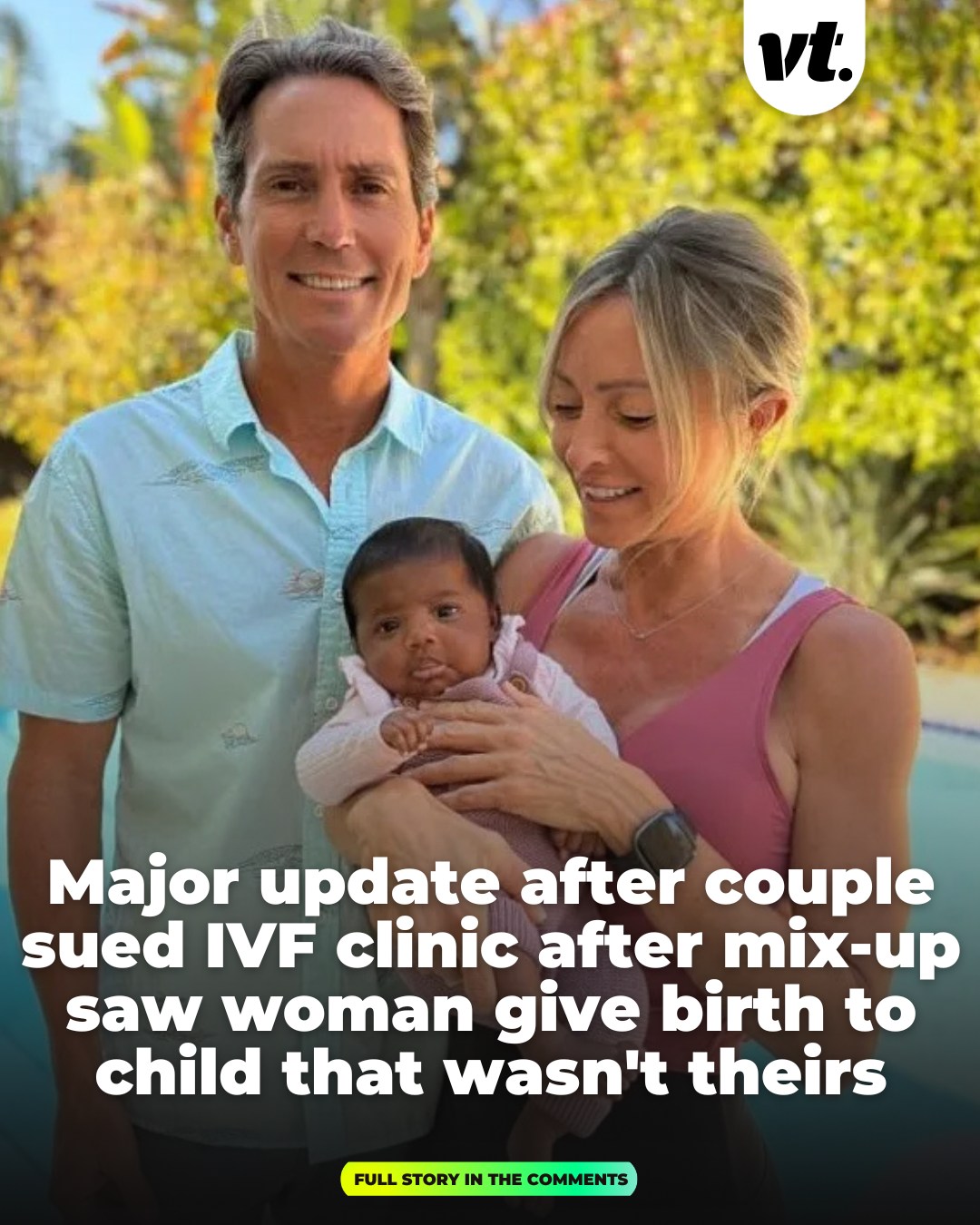
A Florida couple has launched legal action after a shocking IVF mistake led to the birth of a baby who was not biologically theirs. The case has raised serious concerns about fertility clinic procedures, genetic testing safeguards, and how such errors can go unnoticed. The couple, identified in reports as Tiffany Score and Steven Mills, say they underwent in vitro fertilisation treatment at a fertility clinic in Orlando, where their embryos had been stored for future use. They later discovered that the embryo implanted in the woman’s uterus was not one of their own.
Discovery of the Error
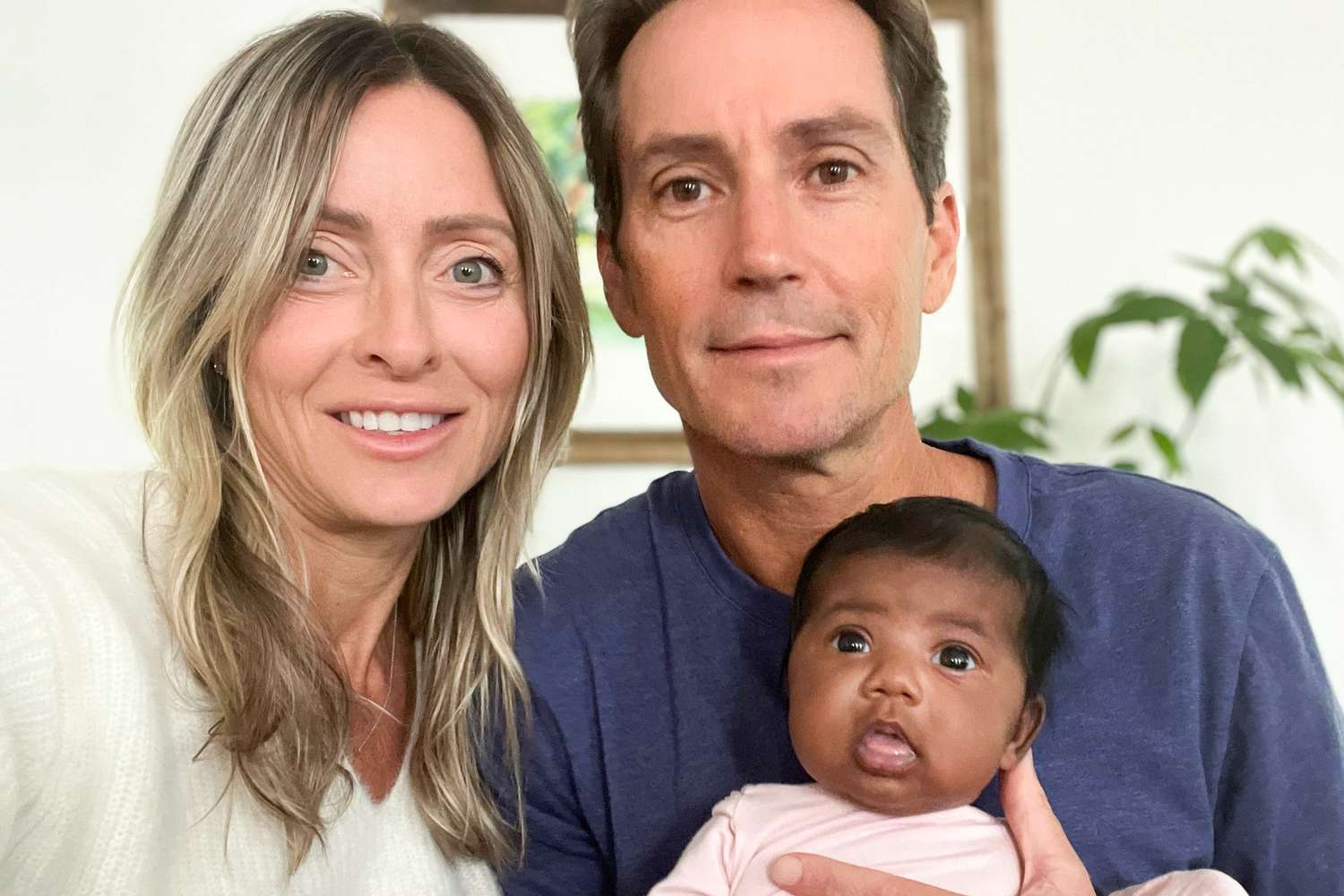
The couple gave birth to a healthy baby girl in late 2025. However, shortly after birth, they noticed the child appeared to have physical traits that did not match either parent. This prompted them to request genetic testing. The results confirmed a devastating reality: the baby was not biologically related to either parent. Instead, she was genetically linked to another couple whose embryo had been mistakenly used during the procedure. This discovery triggered immediate emotional distress and led the couple to pursue legal action against the clinic responsible for the error.
Legal Action Against the Clinic
The lawsuit alleges that the fertility clinic failed in its duty to properly handle, label, and verify embryos during the IVF process. According to the claims, such mistakes should be extremely rare due to strict laboratory protocols designed to prevent embryo mix-ups. The couple is seeking answers about how the error occurred, who was responsible, and whether other patients may have been affected by similar mistakes. They are also requesting compensation for emotional trauma and the costs associated with genetic testing and medical care.
Emotional and Ethical Complexity
Despite the shocking discovery, the couple has expressed a strong emotional bond with the child they carried and raised from birth. They have described the situation as deeply painful and morally complex. At the same time, they have also acknowledged the biological parents’ rights and have reportedly attempted to identify them. In similar cases, families often struggle with conflicting emotions—love for the child they raised versus the reality of genetic parentage. Reports suggest that the biological parents have been identified but have not pursued custody at this stage, leaving the situation legally uncertain.
Broader IVF Concerns
Cases like this are extremely rare but highlight vulnerabilities in assisted reproductive technology systems. IVF clinics typically follow strict chain-of-custody protocols, including multiple identity checks, witness verification, and electronic tracking of embryos. However, when errors do occur, the consequences can be life-changing. Past international cases have shown that IVF mix-ups can lead to long legal battles over custody, compensation, and emotional damages. Such incidents also raise ethical questions about what defines parenthood: biology, pregnancy, or emotional upbringing.
Impact on Families and Clinics
For families, the emotional toll is often the most significant consequence. Discovering that a child is not genetically related after birth can create identity confusion, grief, and long-term psychological stress. For clinics, these cases can lead to lawsuits, reputational damage, and in some situations, closure or regulatory investigations. They also often prompt calls for stricter oversight of fertility treatments.

Conclusion
This IVF mix-up case underscores how a single procedural error can have lifelong consequences for multiple families. While medical technology has made parenthood possible for many who otherwise could not conceive, it also requires extremely high levels of precision and accountability. Ultimately, the case highlights a difficult reality: when science, law, and human emotion intersect, there are rarely simple answers—only deeply personal and complex outcomes.