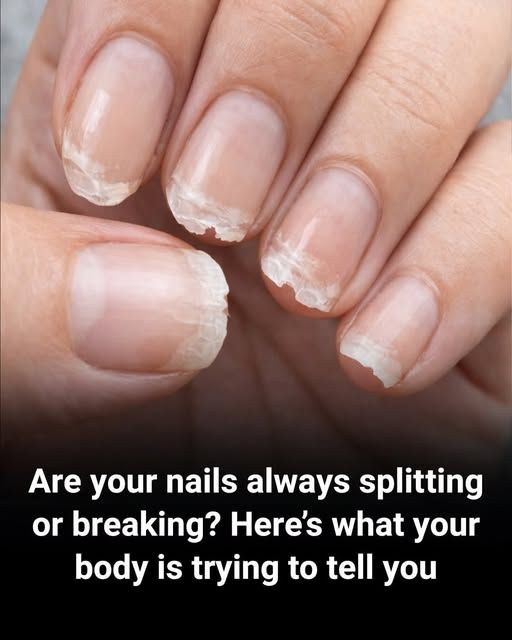
Brittle or weak nails are a very common condition that many people notice at some point in their lives. Nails may start splitting, peeling, breaking easily, or becoming thinner than usual. While this can be frustrating or even concerning, in most cases it is not dangerous and is often linked to everyday habits, environmental exposure, or temporary changes in the body rather than serious disease.
Nails are made mainly of keratin, a tough protein that also forms your hair and part of your skin. Even though nails look solid, they are actually made of tightly packed layers. When these layers become dry, damaged, or disrupted, the nail structure weakens and begins to crack or peel.
Common Everyday Causes of Weak Nails
One of the most frequent reasons for brittle nails is repeated exposure to water and chemicals. Constant handwashing, cleaning products, dishwashing liquids, and sanitizers can strip natural oils from the nails and surrounding skin. Over time, this leads to dryness and makes nails more likely to split or break. On the opposite side, too much moisture can also weaken nails. When nails stay wet for long periods, they become soft and lose their strength, which increases peeling and tearing. This is why people who frequently work with water often notice nail problems. Aging is another natural factor. As people get older, nails grow more slowly and become more fragile. The body also produces less natural oil, which leads to dryness. This combination makes nails more prone to breaking even during simple daily activities. Other common external causes include frequent use of nail polish removers containing acetone, wearing artificial nails for long periods, or habits like nail biting and picking at cuticles.
Lifestyle and Environmental Factors
Daily lifestyle habits play a big role in nail health. Cold weather, low humidity, and dry indoor heating can all remove moisture from nails. This is especially noticeable in winter when many people experience more brittle nails than usual. Frequent manicures, gel nails, or acrylic nails can also weaken the natural nail plate if they are removed improperly or used too often without breaks. Harsh filing or aggressive buffing may thin the nail surface over time. Even small injuries or repeated pressure on nails—such as typing heavily, using tools, or sports activities—can gradually cause damage that leads to splitting or ridges.
Nutritional Deficiencies and Internal Causes
Sometimes brittle nails can reflect what is happening inside the body. A lack of key nutrients such as iron, zinc, protein, or biotin may affect nail strength and growth. In these cases, nails may grow more slowly or appear thin and fragile. Iron deficiency anemia is one of the most common internal causes linked to weak nails. People may also notice additional symptoms such as fatigue, pale skin, or dizziness. Thyroid disorders can also influence nail texture, making them dry, brittle, or uneven. However, medical experts emphasize that nutrition-related nail problems are less common than external causes. In most people, improving daily care habits makes a bigger difference than supplements alone.
What Weak Nails Can Look Like
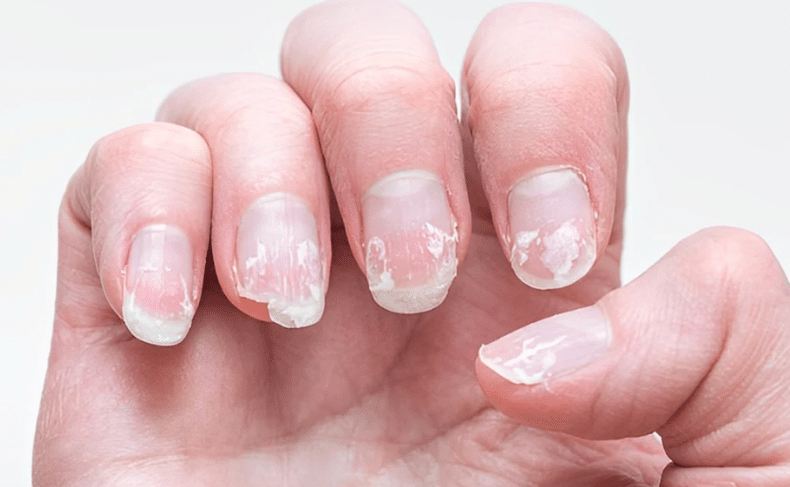
Brittle nails do not always look the same. They may show different patterns depending on the cause. Some common signs include:
Nails that split vertically or peel in layers
White spots or streaks
Horizontal ridges across the nail surface
Thin or paper-like texture
Nails that break very easily with minor pressure
These changes can affect one nail or several at the same time. When all nails are affected equally, it is more likely related to lifestyle or health factors rather than injury.
When to Be More Careful
Most brittle nails are harmless, but in some cases they can be a signal of an underlying health issue. If nail changes appear suddenly, worsen quickly, or are accompanied by other symptoms like fatigue, hair loss, skin changes, or weight fluctuations, it may be worth consulting a healthcare professional. Conditions such as thyroid imbalance, psoriasis, or anemia can sometimes show early signs through nail changes. A proper medical check can help rule out these issues.
How to Improve Nail Strength
The good news is that weak nails often improve with simple and consistent care. One of the most effective steps is keeping nails moisturized. Applying hand cream or cuticle oil regularly helps restore hydration and flexibility. It is also helpful to protect nails from harsh chemicals by wearing gloves during cleaning or dishwashing. Keeping nails short can reduce the chance of breakage, while gentle filing helps prevent splitting at the edges. Reducing frequent use of acetone-based removers and giving nails breaks from gel or acrylic treatments can also significantly improve strength over time. A balanced diet that includes protein, fruits, vegetables, and healthy fats supports overall nail growth.
Final Thought
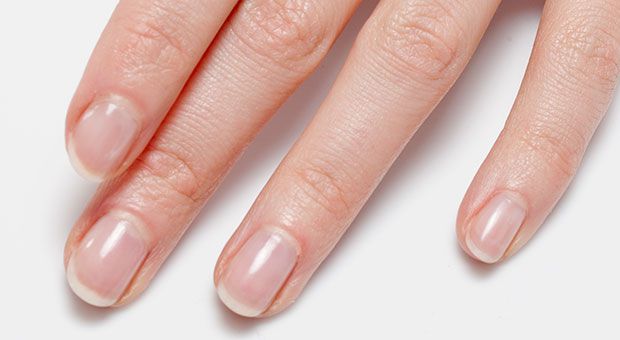
Brittle or weak nails are usually more of a cosmetic concern than a serious medical problem. In most cases, they reflect everyday habits like dryness, frequent water exposure, or minor damage rather than illness. With proper care, protection, and patience, nail strength often improves gradually. However, persistent or severe changes should always be checked to rule out underlying health conditions.