
Health officials are reminding people to take extra precautions when preparing and eating fresh produce after renewed attention was drawn to cyclosporiasis, an intestinal illness caused by the microscopic parasite Cyclospora cayetanensis. While the infection is relatively uncommon, outbreaks tend to increase during the warmer months when people consume more fresh fruits and vegetables. Unlike many foodborne illnesses linked to undercooked meat, cyclosporiasis is most often associated with produce that has been contaminated before reaching supermarkets or restaurants. Imported herbs, leafy greens, berries, and salad vegetables have all been linked to outbreaks in previous years. Because the parasite needs time in the environment before it becomes infectious, the illness is generally not spread directly from one person to another. Instead, people become infected after eating contaminated food or drinking contaminated water.
Symptoms Can Last for Weeks
One reason health professionals take cyclospora infections seriously is that symptoms can persist far longer than those caused by many other stomach bugs. People infected with the parasite commonly experience prolonged watery diarrhea, loss of appetite, stomach cramps, nausea, bloating, fatigue, weight loss, and occasional vomiting. Some individuals also develop a low-grade fever or muscle aches. Symptoms usually begin about one week after consuming contaminated food, although the timing can vary. Without appropriate treatment, illness may continue for several weeks or even recur after temporarily improving. Doctors explain that while healthy adults often recover, the infection can be particularly difficult for young children, older adults, and individuals with weakened immune systems.
Why Washing Produce Is Important
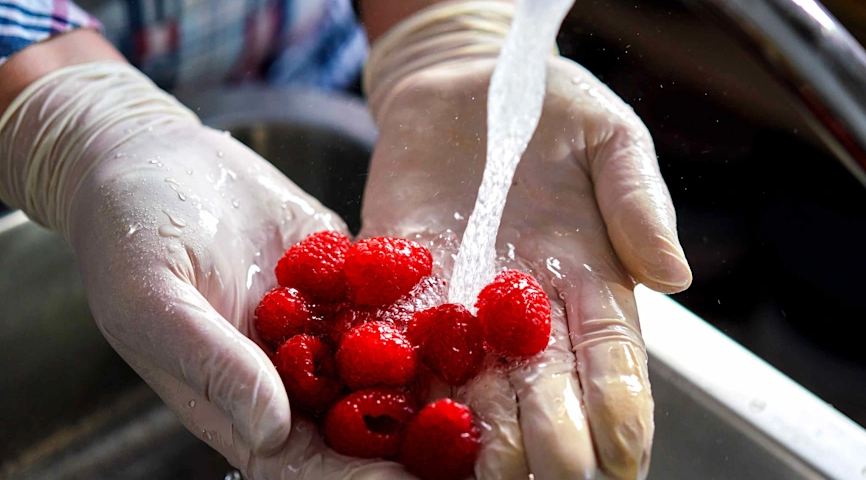
Experts say there is no reason to stop eating fresh fruits and vegetables, but proper food safety remains essential throughout the year. Before preparing produce, people should wash their hands thoroughly with soap and water. Fresh fruits and vegetables should also be rinsed carefully under running water, even if they will later be peeled. While washing cannot eliminate every possible contaminant, it helps reduce dirt and microorganisms that may be present on the surface. Cross-contamination is another concern. Separate cutting boards should be used for raw meat and fresh produce, and kitchen utensils should be cleaned regularly to avoid spreading bacteria or parasites from one food to another. Refrigerating perishable foods promptly and using clean water during food preparation can further reduce the risk of illness.
When to Seek Medical Advice
Most mild stomach illnesses improve within a few days, but persistent diarrhea should never be ignored. Medical professionals recommend seeking healthcare advice if symptoms last longer than several days, become severe, or are accompanied by dehydration, dizziness, bloody stools, or significant weight loss. Cyclosporiasis can usually be diagnosed through specialized laboratory testing because the parasite does not always appear on routine stool examinations. Once identified, doctors can prescribe antibiotics that are considered the standard treatment for most patients. Early diagnosis often shortens recovery time and helps prevent prolonged illness.

Staying Safe During the Summer
Although cyclospora infections remain relatively uncommon, experts say awareness is one of the best forms of protection. Choosing produce from reputable suppliers, washing fruits and vegetables carefully, practicing good kitchen hygiene, and paying attention to food recalls can all help lower the risk. Fresh produce continues to be an important part of a healthy diet, providing essential vitamins, minerals, and fiber. Rather than avoiding these foods, health specialists encourage consumers to handle them safely and remain alert to any unusual or prolonged digestive symptoms. With simple food safety habits and prompt medical attention when necessary, most people can continue enjoying fresh summer meals while significantly reducing their chances of becoming ill from foodborne parasites.