
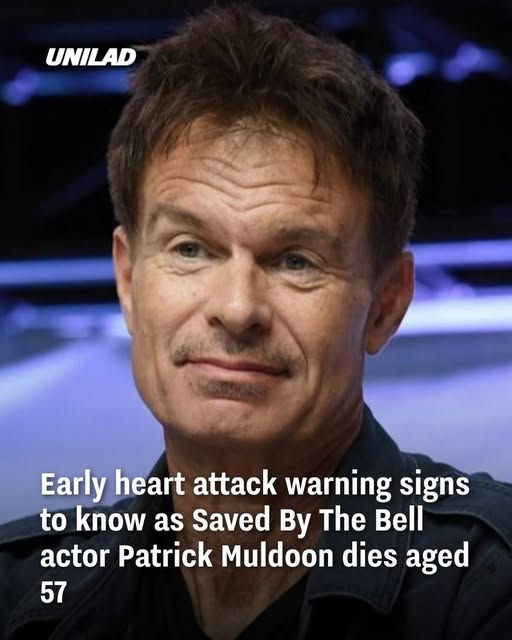
The sudden passing of actor Patrick Muldoon at the age of 57 has drawn attention to the often-overlooked dangers of heart attacks. While such events can feel unexpected, medical experts emphasize that warning signs are frequently present though they may be subtle or misunderstood. His death serves as a reminder that heart health should never be taken lightly, regardless of age or lifestyle.
Heart disease remains one of the leading causes of death worldwide, and many cases could potentially be prevented with earlier recognition of symptoms. Understanding what to look for is a crucial step in protecting yourself and those around you.
Common Warning Signs
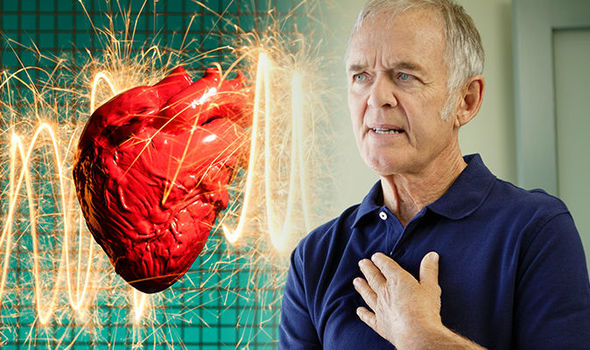
One of the most widely recognized symptoms of a heart attack is chest pain or discomfort. This sensation is often described as pressure, tightness, or squeezing in the chest and may gradually intensify rather than appearing suddenly.
However, chest pain is not the only indicator. Many people experience additional symptoms such as shortness of breath, which can occur even without physical exertion. This may signal that the heart is struggling to pump blood effectively.
Fatigue is another important warning sign. Persistent or unusual tiredness—especially when it interferes with normal daily activities—can indicate reduced blood flow to the heart.
Less Obvious Symptoms
Heart attacks do not always present in obvious ways. Some individuals experience what are known as “silent” symptoms, which can easily be mistaken for less serious conditions.
These may include nausea, indigestion, or a feeling similar to heartburn. In some cases, people report discomfort in areas other than the chest, such as the jaw, neck, back, or arms.
Cold sweats, dizziness, and lightheadedness are also possible signs. Because these symptoms can appear mild or unrelated, they are often ignored until the condition becomes critical.
Why Symptoms Are Missed
One of the biggest challenges with heart attacks is that symptoms are not always dramatic. Many individuals expect a sudden, intense event, but the reality is often much more subtle.
In some cases, symptoms develop gradually over hours, days, or even weeks. People may attribute their discomfort to stress, fatigue, or minor illnesses, delaying medical attention.
Additionally, so-called silent heart attacks can occur with minimal or no noticeable symptoms at all. These cases are particularly dangerous because they often go undiagnosed until complications arise.
Risk Factors to Consider
Several factors can increase the likelihood of experiencing a heart attack. Age is one of the most significant, but it is far from the only one.
High blood pressure, high cholesterol, smoking, and lack of physical activity all contribute to cardiovascular risk. Chronic stress and poor diet can also play a role in weakening heart health over time.
Even individuals who appear healthy may still be at risk, especially if there is a family history of heart disease.
The Importance of Early Action
Recognizing symptoms early and seeking immediate medical help can make a life-saving difference. The sooner treatment begins, the greater the chances of minimizing damage to the heart.
If you or someone nearby experiences signs such as chest discomfort, shortness of breath, or unexplained fatigue, it is essential to act quickly rather than wait for symptoms to pass.

A Lasting Reminder
The loss of Patrick Muldoon highlights how unpredictable heart-related events can be. More importantly, it underscores the need for greater awareness and education about heart attack symptoms.
By paying attention to the body’s warning signs and taking proactive steps toward better health, many tragedies could potentially be avoided.