
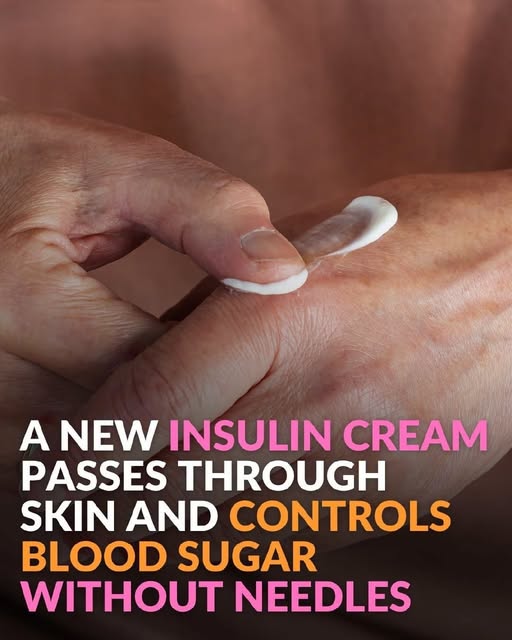
For millions of people living with diabetes, daily insulin injections are an essential part of managing blood sugar levels. Although these injections are highly effective, they can also be uncomfortable, inconvenient, and emotionally challenging for many patients. Researchers are now exploring an exciting alternative that could one day reduce the need for needles. A newly developed insulin cream designed to deliver the hormone through the skin has shown encouraging results in early studies, raising hopes for a simpler and less invasive treatment option.
While the technology is still being investigated and is not yet available for everyday medical use, scientists believe it could eventually transform diabetes care by making insulin therapy more comfortable and easier to manage.
Why Insulin Is So Important
Insulin is a hormone produced by the pancreas that helps move glucose from the bloodstream into the body’s cells, where it is used for energy. People with type 1 diabetes cannot produce enough insulin naturally and must take insulin every day to survive. Some individuals with type 2 diabetes also require insulin therapy when lifestyle changes and oral medications are no longer sufficient to control blood sugar. Because insulin is a protein that breaks down in the digestive system, it cannot simply be swallowed like most medications. This is why injections and insulin pumps remain the primary methods of delivering the hormone into the body. Researchers have spent decades searching for new ways to deliver insulin that are both effective and convenient.

How the Insulin Cream Works
The experimental insulin cream uses advanced drug-delivery technology that helps insulin pass through the skin and enter the bloodstream. Human skin normally acts as a protective barrier that prevents large molecules, including insulin, from easily passing through. To overcome this challenge, scientists developed a specialized formulation that temporarily enhances the skin’s ability to absorb the medication. The cream is applied directly to the skin, where the active ingredients help transport insulin beneath the surface without the need for injections. Early laboratory studies suggest that the treatment may provide a steady release of insulin while maintaining healthy blood glucose levels. Although additional research is needed, these findings represent an important step toward developing needle-free insulin therapies.
Promising Results From Early Research
Initial studies have produced encouraging outcomes. Researchers found that the insulin cream successfully lowered blood sugar levels in experimental models while providing sustained insulin delivery over several hours. Some investigators believe this controlled release could reduce dramatic fluctuations in blood glucose, potentially making diabetes management more consistent for certain patients. Scientists are continuing to evaluate how accurately the cream can deliver different insulin doses, how long its effects last, and whether it performs consistently in larger clinical trials involving people with diabetes. Before the treatment can become widely available, it must undergo extensive testing to confirm both its effectiveness and long-term safety.
Potential Benefits for Patients
If future clinical trials confirm its success, an insulin cream could offer several important advantages. Many people experience anxiety or discomfort related to daily injections. A topical treatment could eliminate the need for multiple needle sticks each day, improving comfort and reducing treatment-related stress. A cream may also simplify insulin administration for children, older adults, and individuals with physical conditions that make injections more difficult. Some researchers believe the technology could improve treatment adherence, as patients may find it easier to apply a cream than administer injections several times daily. Reducing injection-site irritation and minimizing accidental needle injuries could provide additional benefits. However, experts emphasize that the cream would likely complement existing diabetes treatments rather than immediately replace all current insulin delivery methods.
Looking Toward the Future
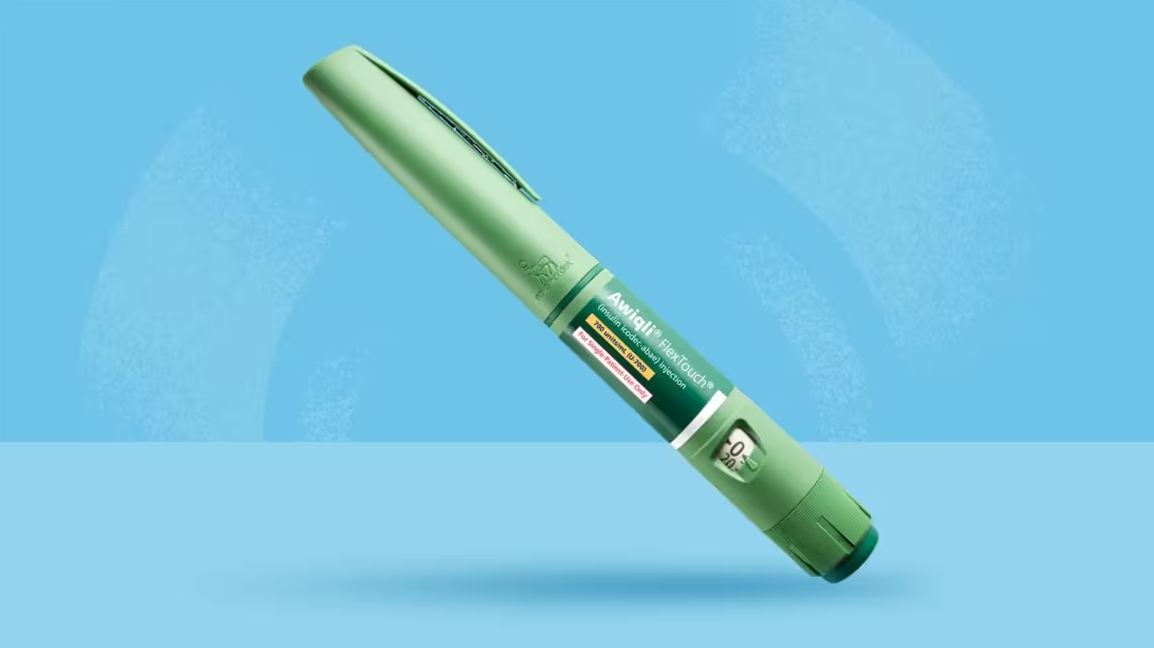
Although the idea of replacing insulin injections with a simple skin cream is exciting, researchers caution that significant work remains before the treatment reaches pharmacies. Future studies will determine the optimal dosing, identify which patients could benefit most, and evaluate whether the cream performs consistently under real-world conditions. Regulatory approval would require successful clinical trials demonstrating that the treatment is both safe and effective compared with current insulin therapies. Even so, the research represents an encouraging example of how medical innovation continues to improve the lives of people living with chronic illnesses. As scientists develop smarter drug-delivery systems and more personalized treatments, the future of diabetes care may become increasingly convenient, comfortable, and effective. While insulin injections remain the standard of care today, advances such as skin-delivered insulin cream highlight the remarkable progress being made toward expanding treatment options and improving quality of life for millions of people worldwide.