
Body language plays an important role in the way people communicate. Long before words are spoken, posture, facial expressions, and simple gestures can provide clues about emotions, confidence, and comfort levels. One of the most common nonverbal behaviors is crossing the legs while sitting.
Many people cross their legs without giving it a second thought, often doing so out of habit or because it simply feels comfortable. However, psychologists and body language experts suggest that this everyday posture may sometimes reveal subtle information about a person’s emotional state or social attitude. While no single gesture can accurately define someone’s personality, leg crossing can offer useful context when combined with other nonverbal signals.
Comfort Often Comes First
The most common reason people cross their legs is physical comfort. Sitting in one position for a long time naturally leads people to shift their posture to reduce pressure on muscles and joints. Personal preference, flexibility, clothing, and even the type of chair can all influence how someone chooses to sit. Because comfort is such an important factor, experts caution against drawing conclusions based on leg position alone. A crossed-leg posture does not automatically indicate nervousness, confidence, or any other emotional state. Instead, it should always be interpreted alongside facial expressions, hand movements, tone of voice, and the surrounding situation.
What Different Leg Positions May Suggest
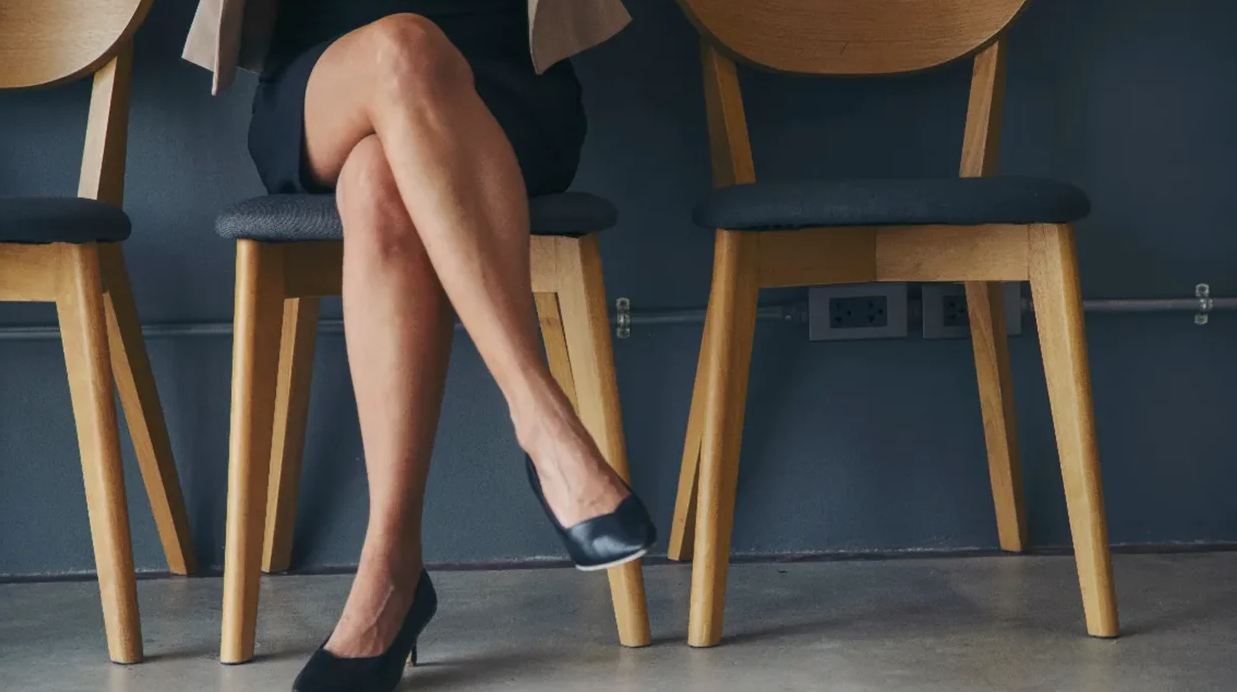
Crossing one knee over the other is often associated with relaxation and casual confidence. People who sit this way may feel comfortable in their surroundings and at ease during conversations. It is a common posture in both social and professional settings. The ankle-crossed position, where the ankles are neatly crossed while both feet remain on the floor, is sometimes linked to self-control and politeness. Individuals using this posture may be trying to maintain a calm appearance, particularly during formal meetings or unfamiliar situations. A tightly crossed position, especially when combined with folded arms or tense shoulders, can occasionally suggest discomfort, anxiety, or a desire for personal space. However, cold temperatures or limited seating space may produce the same posture, showing why context always matters. Some people frequently change leg positions while sitting. This constant movement may simply reflect restlessness or a need to stay comfortable, although it can also indicate excitement, impatience, or increased energy.
Cultural and Social Influences
The meaning of body language varies across cultures. In some countries, crossing the legs is considered perfectly normal and even elegant, while in others it may be viewed as overly casual or disrespectful in certain settings. Social expectations also influence posture. Business meetings, job interviews, formal ceremonies, and family gatherings each encourage different styles of sitting. As a result, people often adjust their body language to match the environment rather than expressing their natural habits. Individual personality, upbringing, and physical health also affect how someone sits. A person recovering from an injury, for example, may avoid crossing their legs entirely, while another may do so simply because it reduces back discomfort.
Reading Body Language as a Whole
Professional psychologists emphasize that body language should never be interpreted using a single gesture. Reliable observations come from examining clusters of behaviors instead of focusing on one movement in isolation. For example, someone who is smiling, making eye contact, speaking confidently, and sitting with crossed legs is likely communicating something very different from a person with the same leg position but tense muscles, limited eye contact, and a quiet voice. Understanding nonverbal communication requires patience, observation, and awareness of context. Small gestures become meaningful only when they consistently align with other behavioral cues.
Every Gesture Has Multiple Meanings
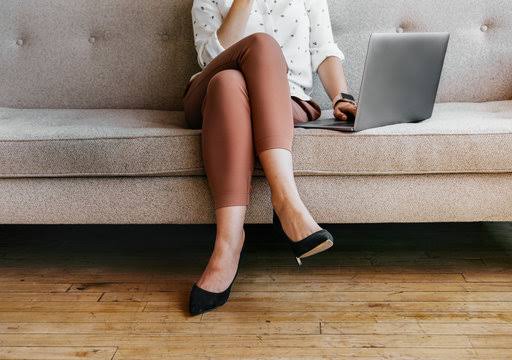
Leg crossing remains one of the most natural sitting positions, and for most people it reflects comfort more than personality. Although body language experts have identified patterns that sometimes accompany different emotions or attitudes, there is no universal rule that applies to everyone. The next time you notice yourself or someone else crossing their legs, remember that the gesture is only one small piece of a much larger communication puzzle. True understanding comes from considering the entire picture, including words, expressions, surroundings, and individual differences. Appreciating these subtle signals can help improve communication while reminding us not to make quick judgments based on a single habit.