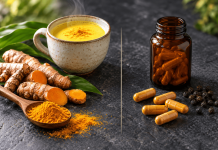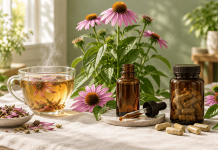
The same plant can become a very different product
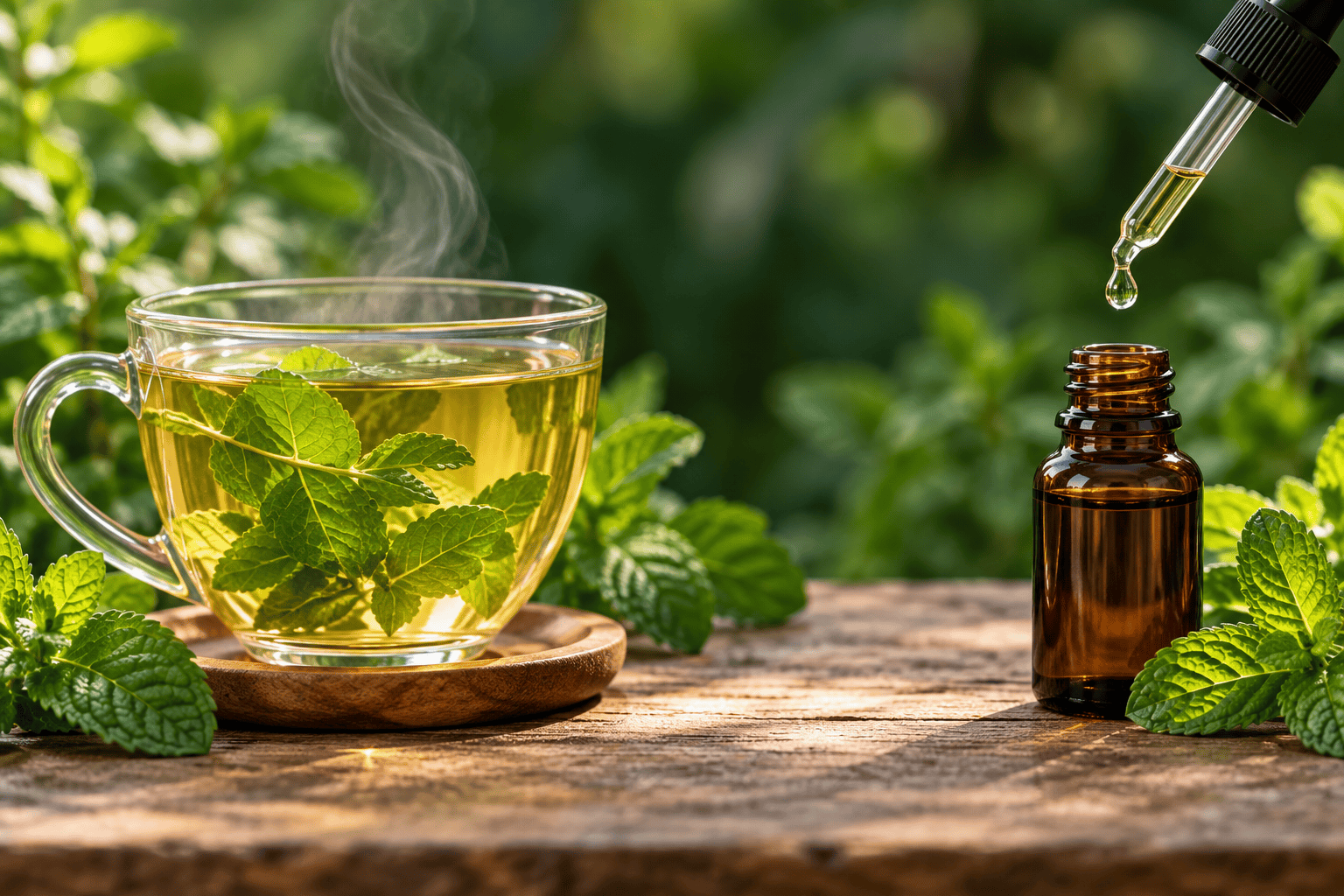
A cup of peppermint tea looks gentle and familiar. A bottle of peppermint essential oil looks just as natural. Because both can begin with the same plant, it is easy to assume that one is simply a stronger version of the other. That assumption can lead to the wrong dose, the wrong route of use, or the wrong expectations.
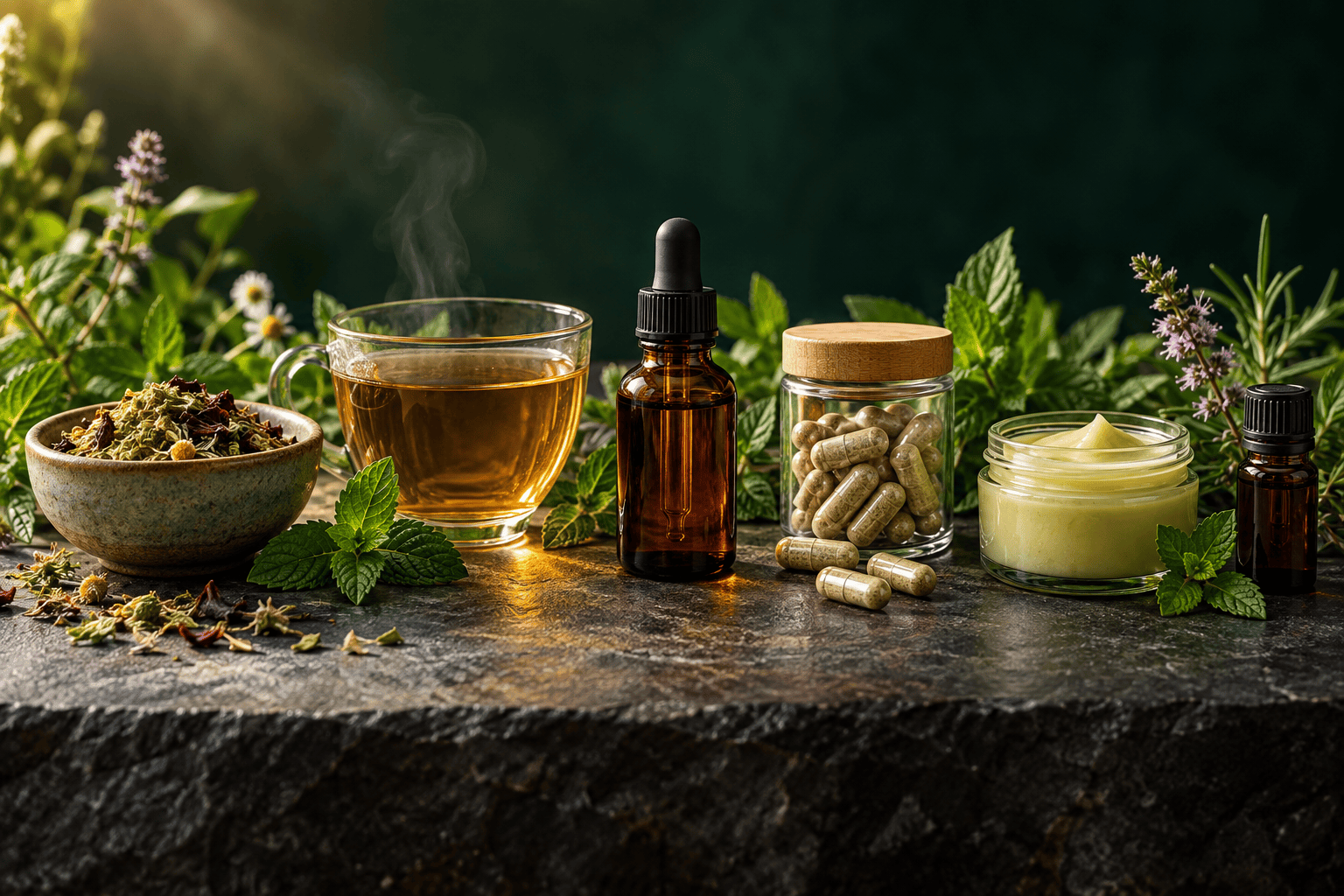
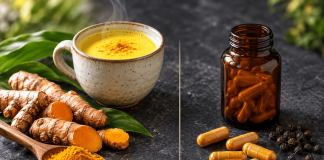
Herbal products are not defined by the plant name alone. The plant part, extraction method, solvent, concentration, serving size and intended route all matter. Peppermint leaves steeped in hot water create a dilute infusion. Essential oil is a highly concentrated mixture of volatile compounds separated from plant material. A tincture uses alcohol or another solvent. A standardized extract may be manufactured to deliver a measured amount of selected constituents. Those products can differ dramatically even when the front label features the same leaf.
That does not mean every essential oil is unsafe or every tea is harmless. It means the form changes the evidence, the dose and the risk. Here are six mix-ups worth avoiding.
1. Treating tea and essential oil as interchangeable
Peppermint tea is made by steeping peppermint leaves in water. Peppermint essential oil is a concentrated preparation rich in volatile compounds such as menthol. A mug and a dropper bottle may share a scent, but they do not deliver the same chemical profile or concentration.
The National Center for Complementary and Integrative Health says peppermint tea appears safe, while the long-term safety of consuming large amounts of peppermint leaf is unknown. For peppermint oil, safety depends on how it is used and in what dose. Oral use can cause heartburn, nausea, abdominal pain and dry mouth; skin application can cause rash or irritation. This is why a direction written for tea should never be copied onto an oil bottle—or vice versa.
2. Assuming ‘natural’ tells you how to use it
Natural describes an origin, not a complete safety profile. Poison ivy is natural. So are compounds that affect the nervous system, blood clotting or medication metabolism. The FDA notes that an aromatherapy product’s regulation depends largely on its intended use. A product promoted only for fragrance is treated differently from one claiming to relieve pain, anxiety or sleeplessness—claims that may make it a drug under U.S. law.
The practical lesson is simple: do not let a picture of leaves substitute for directions. Check whether the product is intended to be inhaled, applied to skin or taken by mouth. If the label does not clearly authorize a route, do not invent one.
3. Confusing a tincture with a cup of tea
A tea extracts water-soluble compounds during a short steep. A tincture typically uses alcohol, glycerin or another solvent over a longer extraction period. That can pull out a different range of plant constituents and produce a much more concentrated serving in a small volume.
A full dropper is not a universal herbal dose. Dropper size, extract ratio and concentration vary by product. Alcohol content can also matter for children, pregnancy, liver disease, recovery from alcohol use disorder, and anyone avoiding alcohol for medical or personal reasons. Follow the exact label rather than transferring a recipe from another brand or form.
4. Thinking every capsule is just dried herb
One capsule may contain powdered whole plant. Another may contain a concentrated extract. A third may be standardized to a specific compound. Two bottles with the same herb name can therefore deliver very different amounts of active constituents.
The difference can be even larger when plant parts change. NCCIH notes that ginkgo leaf extracts have been used safely in research, while fresh ginkgo seeds are toxic and serious effects have occurred with roasted seeds or the crude plant. ‘Ginkgo’ alone is not enough information. The label should identify the botanical name, plant part and form.
5. Putting an undiluted essential oil on skin because it smells mild
A pleasant scent does not predict skin tolerance. Essential oils can irritate skin or trigger allergic reactions, and sensitivity may appear after repeated exposure. Peppermint oil can cause rash and irritation when applied to skin. NCCIH also warns that peppermint oil should not be applied to the face of infants or young children because inhaled menthol can cause serious effects.
Use only products designed for skin, follow their dilution and patch-test directions, and keep them away from eyes and other sensitive areas. A topical balm formulated with peppermint is not equivalent to a bottle of undiluted essential oil.
6. Believing one safe use proves every use is safe
Evidence is route-specific. A product studied in an enteric-coated capsule for a particular digestive condition does not prove that inhaling the oil, rubbing it on the skin or adding an arbitrary number of drops to water has the same benefits or safety. Even within oral use, the preparation matters: enteric coating is often used with peppermint-oil capsules to reduce heartburn.
The same principle applies across herbs. NCCIH reports that passionflower may be safe as a food flavoring, tea for a short period, or extract for a limited period, while its topical safety is unknown. One route cannot automatically stand in for another.
A quick guide to six common forms
| Form | What it usually is | Do not assume |
| Tea / infusion | Plant material steeped in water | Equivalent to an extract or oil |
| Tincture | Solvent-based concentrated liquid | Every dropper has the same strength |
| Powder / capsule | Whole powdered plant or blend | It matches a standardized extract |
| Standardized extract | Concentrated preparation with measured constituents | Research on it applies to all versions |
| Topical product | Cream, balm or diluted formula for skin | It is safe to swallow or use undiluted |
| Essential oil | Concentrated volatile compounds | It is liquid tea or safe by every route |
Read the label like a safety document
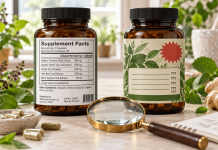
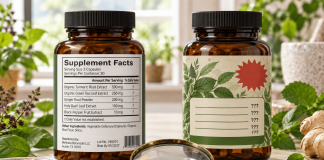
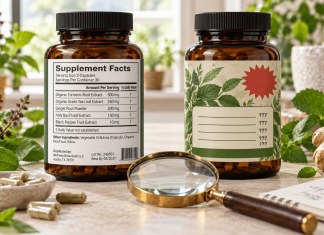
Before using an herbal product, look for the exact botanical name, plant part, product form, amount per serving, route of use, warnings and manufacturer contact information. For extracts, note the concentration or extract ratio if provided. For supplements, look for a Supplement Facts panel—but remember that FDA does not approve dietary supplements for safety and effectiveness before they reach the market.
Tell a physician or pharmacist about every herb and supplement you use, especially before surgery or if you take prescription medicine. Herbal products can interact with medicines, alter laboratory tests or create additional risks during surgery. St. John’s wort is a well-known example: it can weaken the effects of medicines including birth-control pills, warfarin and some transplant, seizure, heart, HIV and cancer drugs.
| STOP AND GET ADVICE
Ask a qualified clinician or pharmacist before use if you are pregnant or breastfeeding, preparing for surgery, treating a child, taking prescription medication, or planning to swallow a product not clearly labeled for oral use. Stop using a product and seek medical advice if you develop a concerning reaction. |
The bottom line
The plant name is only the beginning of the story. Peppermint tea, peppermint tincture, peppermint capsules, topical peppermint products and peppermint essential oil can differ in concentration, composition and intended use. The safest habit is not to fear herbs; it is to stop treating every form as interchangeable.
When a label says tea, brew it as tea. When it says topical, keep it on the skin and follow dilution directions. When it is an essential oil, do not assume it can be swallowed. And when a product makes a medical promise, ask whether the evidence applies to that exact preparation, dose and route—not merely to the plant pictured on the front.
This article is for general educational purposes and is not a substitute for individualized medical advice. Product safety depends on the exact preparation, dose, route, age, health conditions and medications.