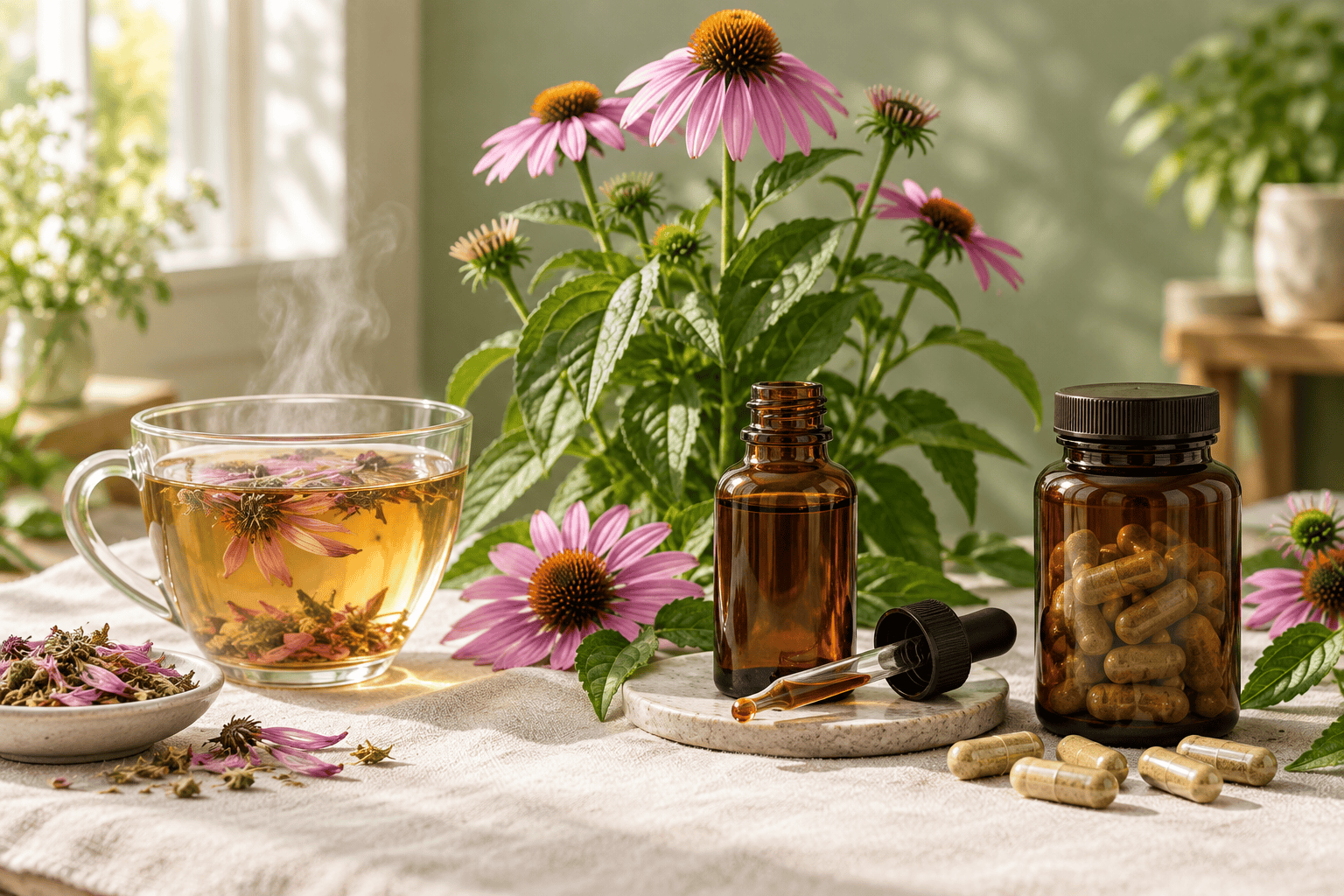
Walk into almost any health store and you may see the same herb in three places: inside tea bags, in a small amber dropper bottle and on a shelf of capsules. The labels may feature the same plant, but the products are not automatically interchangeable. How an herb is prepared can influence which plant compounds end up in the final product, how concentrated the serving is and how consistently it can be measured.
That does not mean one form is always better. A tea may be the most sensible choice for one person, while a carefully labeled tincture or capsule may be more practical for another. The important point is simple: do not compare herbal products by the plant name alone. Compare the form, the plant part, the amount and the directions.
One plant can become very different products
Plants contain many naturally occurring compounds. Water pulls out some of them, alcohol and water mixtures may pull out a different range, and manufacturing processes can concentrate selected components. Even two products sold in the same form may not match if they use different plant parts, extraction ratios or serving sizes.
This is why a cup of herbal tea cannot be converted into an exact number of tincture drops or capsules without detailed product information. The labels may share a familiar herb name, but they may describe substantially different preparations.
Tea is usually the gentlest starting point
Herbal tea is generally made by steeping plant material in hot water. It is often used for leaves and flowers, though roots and bark may require a longer simmer. Tea is familiar, easy to prepare and naturally encourages a slower routine. It also adds fluid, which may be part of the appeal.
However, tea is not automatically standardized. The amount of herb in a bag, water temperature, steeping time and freshness of the plant material can all affect the final cup. Calling tea the mildest form is often reasonable, but it should not be treated as a universal safety guarantee. Some plants are unsuitable for casual home use, and drinking multiple strong cups can increase total exposure.
Tinctures concentrate an extract into a small serving
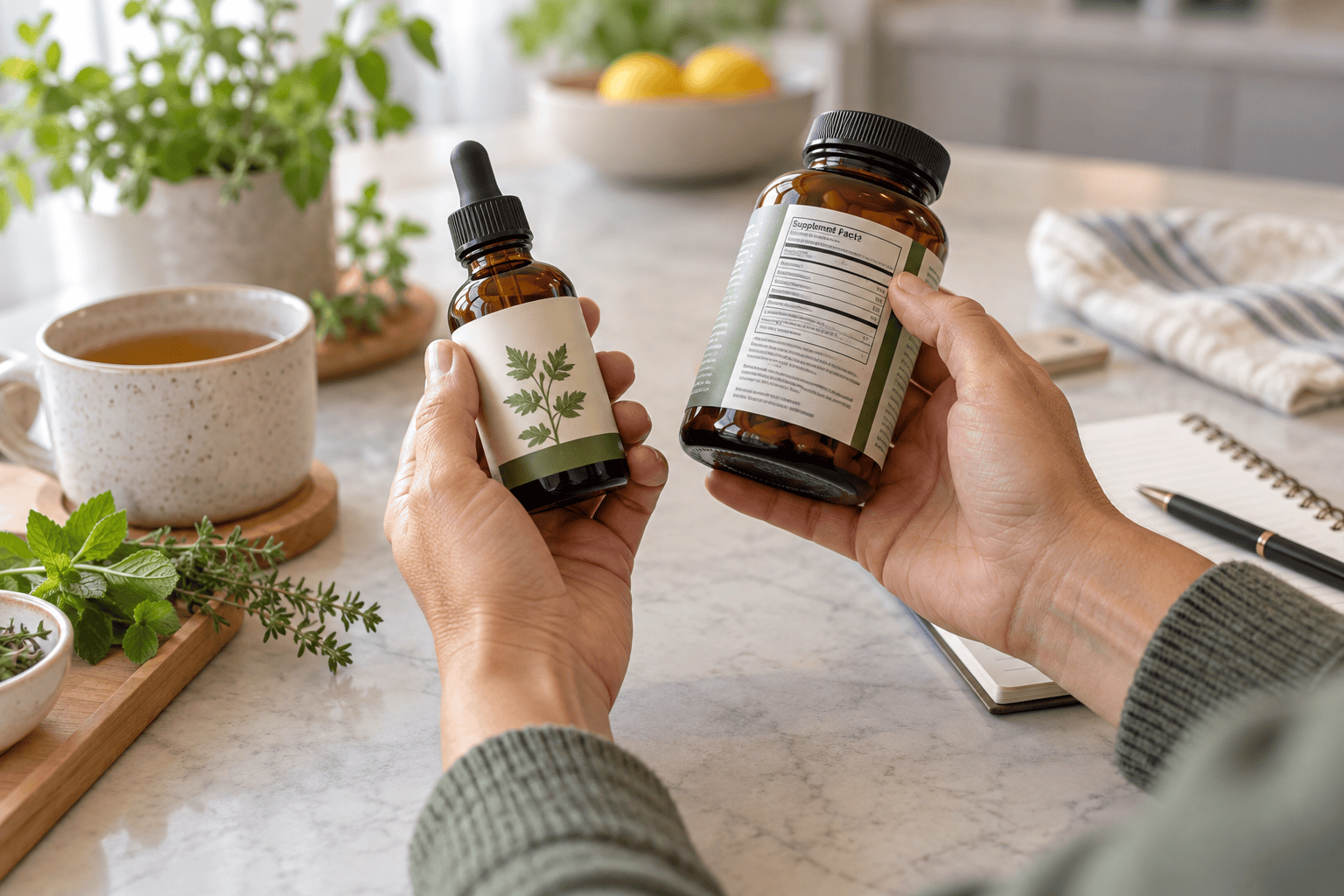
A tincture is commonly made by soaking plant material in alcohol and water, although some products use glycerin or another solvent. The finished liquid is taken in measured drops or milliliters. Because the serving looks small, it is easy to assume it is weak. In reality, the dropper contains an extract, and the concentration can vary widely from one product to another.
A reputable label should state the serving size and identify the herb. Some tinctures also provide an extraction ratio, such as 1:5. That number offers useful manufacturing information, but it does not by itself tell you exactly how the product will affect a person. Two droppers from different brands should never be assumed to provide the same amount.
Capsules may contain powder or a concentrated extract
Capsules are convenient and usually provide a clearly defined serving. But the word capsule describes the container, not what is inside it. One product may contain ground whole herb. Another may contain a dry extract that is much more concentrated. A third may be standardized to a particular marker compound.
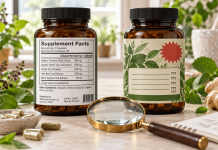
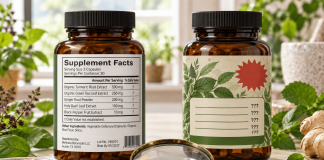
The milligram number on the front of the bottle can therefore be misleading when viewed without context. A smaller quantity of a concentrated extract is not necessarily weaker than a larger quantity of plain herb powder. Read the Supplement Facts panel and the ingredient description together rather than judging the product by the largest number on the package.
Extract does not automatically mean better
Concentration can be useful when a product is well made and appropriately used, but stronger is not the same as more effective. Herbal research is often tied to a specific preparation and dose. Results from one standardized extract cannot automatically be applied to every tea, tincture or capsule bearing the same plant name.
The word standardized usually means that a manufacturer controls the amount of one or more selected chemical markers. That can improve consistency, but it is not proof that the product has been shown to treat a condition. It also does not guarantee that every other naturally occurring compound is present in the same proportion as in the whole plant.
Form can change the safety conversation
A familiar herb can feel harmless because it is also used as food or tea. Concentrated products deserve a separate evaluation. Peppermint tea, for example, is not the same as swallowing peppermint essential oil. Turmeric used as a culinary spice is not the same exposure as a concentrated curcumin supplement taken every day. The form, serving size and route of use all matter.
Herbal products can also cause side effects, interact with medicines or create special concerns during pregnancy, breastfeeding or before surgery. Changing from tea to a concentrated extract does not remove those concerns. It may make careful label reading and professional guidance even more important.
Seven details to check before choosing
Common and botanical name. The Latin name helps distinguish plants that share similar common names.
Plant part. Root, leaf, flower, bark and seed can contain different compounds and are not interchangeable.
Preparation type. Look for whole herb powder, dry extract, liquid extract, tincture, tea or essential oil.
Amount per serving. Check the actual serving size, not only the number printed most prominently on the front.
Extraction or standardization details. These can help compare products, but they are not a guarantee of effectiveness.
Other ingredients. Alcohol, sweeteners, fillers and combined herbs may matter for allergies, preferences and interactions.
Warnings and directions. Follow the product instructions and do not assume that more will work faster or better.
Which form should you choose
There is no single winner. Tea may suit someone who wants a simple, lower-intensity preparation and enjoys the ritual. A tincture may be convenient for someone who needs a small measured liquid serving and has reviewed the concentration. A capsule may suit someone who values portability and a clearly listed amount. The best choice depends on the specific herb, the intended use, the product quality and the person taking it.
If you take prescription or over-the-counter medicine, live with a chronic condition, are pregnant or breastfeeding, or are preparing for surgery, ask a qualified health professional or pharmacist to review the exact product. Bring the bottle or a clear photo of the full label. Saying only the name of the herb may leave out the most important details.
The bottom line
Tea, tincture and capsule may begin with the same plant, but they do not necessarily deliver the same preparation or amount. A beautiful herb illustration on the label cannot tell you how concentrated a product is, which plant part it uses or whether it fits safely with your medicines and health history.
Before choosing, slow down and read beyond the front of the package. Identify the form, examine the serving, compare the ingredients and ask questions when the label is unclear. With herbal products, the difference is often not the plant itself. It is what happened to the plant before it reached the bottle, capsule or cup.
Important: This article is for general educational purposes and is not a substitute for medical advice, diagnosis or treatment.