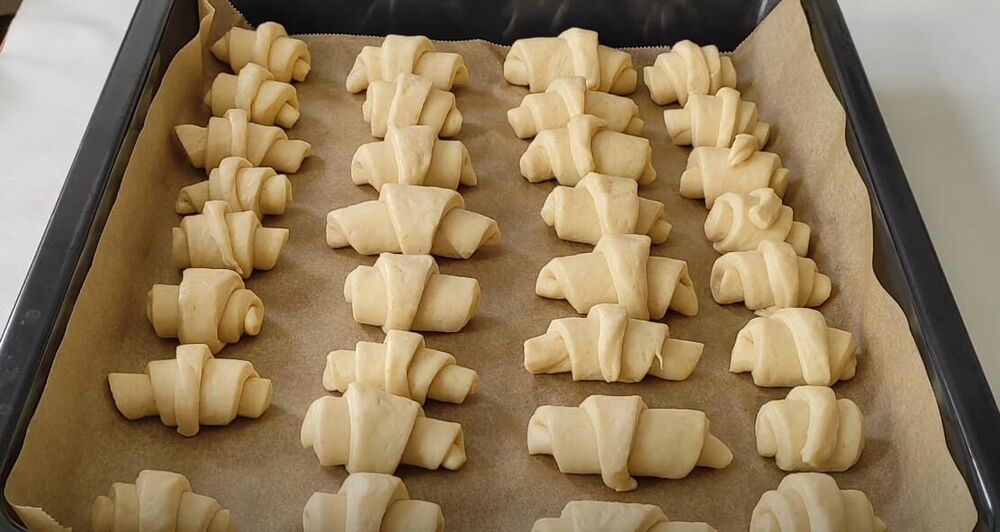
Few things bring the feeling of home like the smell of freshly baked, warm rolls coming out of the oven. Soft, fluffy, and golden on the outside, homemade rolls have always been a favorite addition to breakfast tables, family gatherings, and special occasions.
Many people avoid making homemade dough because they believe it requires advanced baking skills or too much time. However, there are recipes that prove delicious homemade rolls can be prepared even by beginners — as long as a few important steps are followed.
The secret behind perfectly soft rolls is not complicated. The right balance of ingredients, proper kneading, and giving the dough enough time to develop are the things that create that light and airy texture everyone loves.
The Secret Behind Extra Soft Homemade Rolls
The texture of homemade rolls depends mostly on the dough preparation. A good dough should be soft, smooth, and slightly elastic.
One of the most important ingredients is yeast, which helps the dough rise and creates the small air pockets responsible for the fluffy texture.
Milk, oil, butter, or yogurt are often added to enrich the dough and keep the rolls softer for longer. Many experienced bakers also recommend covering freshly baked rolls with a clean kitchen towel after removing them from the oven because this helps maintain their softness.
Another important detail is avoiding too much flour. Adding excessive flour can make the dough heavy and result in dry rolls.

Ingredients Needed for Soft Homemade Rolls
For a simple batch of homemade rolls, you will need:
- Flour
- Warm milk
- Yeast
- A little sugar to activate the yeast
- Salt
- Oil or melted butter
- Egg for a richer dough and finishing touch
- Filling of your choice
The filling can be adjusted according to personal taste. Some people prefer sweet versions with chocolate, jam, or hazelnut spread, while others enjoy savory rolls filled with cheese, ham, or other ingredients.
How to Prepare the Dough Step by Step
The first step is activating the yeast. Warm milk is usually combined with yeast and a small amount of sugar, then left briefly until the mixture becomes active.
After that, the remaining ingredients are added gradually while mixing until a soft dough forms.
The dough should be kneaded until it becomes smooth and no longer sticks excessively to the hands. Once prepared, it needs time to rest so the yeast can do its work.
During this process, the dough increases in volume and becomes easier to shape.
The Right Way to Shape the Rolls
Once the dough has rested, it can be divided into smaller portions.
Each piece is rolled out, filled if desired, and carefully shaped into a classic roll form.
A small but useful trick is to avoid adding too much filling. While extra filling may seem tempting, too much can cause the rolls to open during baking.
After shaping, the rolls should rest again for a short period before going into the oven. This extra step helps create a lighter and softer final result.
How to Make Sure They Stay Soft After Baking
Fresh rolls are always best when warm, but many people want them to stay soft for the next day as well.
A few simple tricks can help:
Do not overbake them
Keeping them in the oven too long can dry out the dough.
Cover them after baking
Placing a clean towel over warm rolls helps keep moisture inside.
Store them properly
Once cooled, keep them in an airtight container or bag to preserve their texture.
Why This Recipe Is Popular Among Beginners
Many beginner cooks are nervous about working with yeast dough, but recipes like this are popular because they do not require complicated techniques.
The most important things are patience, correct measurements, and following the steps carefully.
Even if the first attempt is not perfect, homemade baking improves with practice. Learning how dough behaves and how ingredients work together makes every future batch easier.
A Recipe That Brings Families Together
Homemade rolls are more than just food. For many families, they represent tradition, comfort, and moments shared around the table.
Whether served with breakfast, alongside a main meal, or prepared for guests, soft homemade rolls remain one of those simple recipes that everyone enjoys.
With a little time and attention, even beginners can create warm, fluffy rolls that look and taste like they came from a bakery.
The biggest secret is simple: quality ingredients, careful preparation, and a little patience are all you need to create the perfect homemade treat.