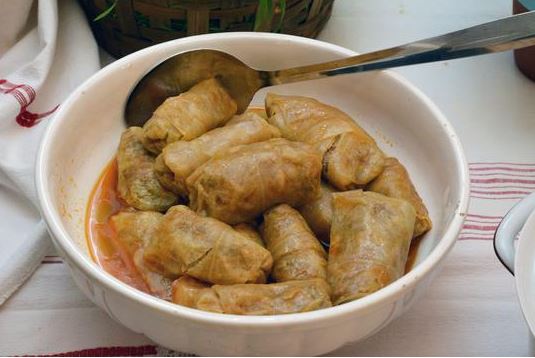
Sarma is one of those traditional dishes that brings back memories of family gatherings, winter holidays, and the comforting smell of homemade cooking. Although the recipe seems simple, small details during preparation can make a big difference in the final taste, texture, and juiciness of this beloved dish.
One question has divided home cooks for years: Should the meat be sautéed before it is wrapped in cabbage leaves, or should it go into the sarma raw?
Many experienced cooks have their own method, passed down through generations. Some insist that the meat should be lightly cooked with onions and spices first, while others believe that traditional sarma is best when raw minced meat is mixed with rice and seasonings before slow cooking.
The truth is that both methods exist, but there are a few important differences that can affect the final result.

Why Some Cooks Briefly Sauté the Meat First
In many households, the first step is gently cooking onions and briefly frying the minced meat before preparing the filling.
The goal is not to fully cook the meat. Instead, it is lightly heated until it changes color and combines with the flavors of onions and spices.
This short preparation can help:
- Develop a richer aroma
- Blend the flavors of the filling
- Reduce excess fat
- Create a firmer texture that is easier to wrap
When the meat is combined with rice, seasonings, and other ingredients after this step, the filling often becomes more compact and easier to handle.
The important thing is not to overcook it. If the meat is cooked too much before wrapping, the final sarma may lose some of its natural juiciness during the long cooking process.
The Traditional Method: Raw Meat Inside the Cabbage Leaves
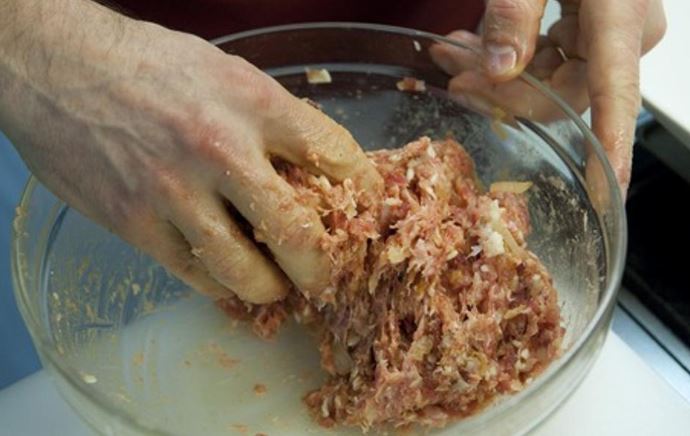
Many traditional recipes use raw minced meat mixed directly with rice, onions, and spices before the sarma is rolled.
The idea behind this method is that the long, slow cooking process allows all the ingredients to release their flavors and create the characteristic taste of homemade sarma.
As the sarma simmers for several hours, the meat slowly cooks inside the cabbage leaves while absorbing flavors from the sauce, spices, and other ingredients.
Supporters of this method often say that the filling stays softer and that the dish develops a deeper traditional flavor.
So Which Method Creates Better Sarma?
There is no single answer that applies to every recipe.
The choice often depends on family tradition, personal preference, and the type of texture you want.
If you prefer a stronger aroma and a slightly firmer filling, lightly sautéing the meat may be a good option.
If you enjoy a softer, more traditional-style filling, using raw minced meat and allowing the slow cooking process to do the work may be the better choice.
The most important thing is that the ingredients are balanced and that the sarma is cooked slowly enough for all the flavors to combine.
Common Mistakes That Can Ruin Sarma
Even a good recipe can fail if a few simple mistakes are made.
Adding Too Much Rice
Rice expands during cooking. Using too much can make the filling dry and reduce the rich meat flavor.
Not Preparing the Cabbage Properly
If cabbage leaves are too salty or too firm, they can affect the entire dish. Some cooks rinse the leaves or briefly soften them before wrapping.
Using Too Many or Too Few Spices
Sarma depends on balance. Too little seasoning can make it taste bland, while too much can overpower the natural flavors.
Cooking Too Quickly
Sarma is not a dish that should be rushed. Slow cooking allows the meat, cabbage, and spices to create the deep flavor that makes this meal special.
The Secret Is in Patience and Preparation
No matter which method you choose, one thing remains true: great sarma requires time.
The slow simmering process is what transforms simple ingredients into a rich and comforting dish. Many cooks even believe that sarma tastes better the next day, after the flavors have had more time to blend together.
A carefully prepared filling, quality ingredients, and gentle cooking are the real secrets behind a memorable plate of sarma.
Final Thoughts
The debate over whether meat should be sautéed before wrapping sarma will probably continue for generations. Some families will always prepare it one way, while others will defend another method.
However, the best sarma is the one prepared with attention, patience, and ingredients you enjoy.
Whether you lightly cook the meat first or use the traditional raw filling method, a slow-cooked sarma made with care will always remain one of the most loved dishes from the Balkan kitchen.