
Joint pain, stiffness, and discomfort caused by conditions such as arthritis, sciatica, gout, and rheumatic problems affect millions of people around the world. For many, these symptoms can make everyday activities more difficult — from walking and climbing stairs to simply getting comfortable during the day.
Over the years, many people have turned to natural approaches and traditional home remedies as a way to support comfort and mobility. One method that has been shared through generations is the use of homemade warm compresses and herbal-based applications designed to provide temporary relief from discomfort in painful areas.
Although these remedies are not considered replacements for medical treatment, some people use them as part of their personal routine alongside healthy lifestyle habits and professional care. Conditions such as arthritis involve inflammation and changes in the joints, and managing symptoms often requires a combination of approaches.
Why People Turn to Natural Compresses for Joint Discomfort
When joints become painful or stiff, many people experience reduced mobility and discomfort during normal activities. This can happen due to aging, previous injuries, inflammation, or chronic conditions affecting the joints and surrounding tissues.
Warm compresses have traditionally been used because heat can help relax muscles, improve comfort, and reduce feelings of stiffness. Cold applications may also be useful in certain situations, especially when swelling and acute inflammation are present.
The goal of these methods is usually not to “remove” a disease, but to make symptoms easier to manage and help people feel more comfortable in their daily lives.

Common Ingredients Used in Traditional Home Applications
Many traditional recipes combine simple household ingredients that have long been associated with natural care.
Some commonly mentioned ingredients include:
- Flaxseed – traditionally used in warm compress preparations because it retains heat well.
- Potato – often included in folk remedies for its cooling and soothing properties.
- Onion – used in various traditional practices because of its natural plant compounds.
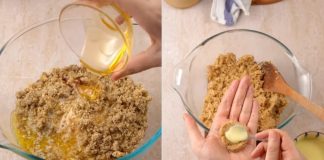
A popular homemade compress combines these ingredients into a mixture that is placed on a cloth and applied to areas where people feel discomfort, such as knees, shoulders, the lower back, or other joints.
Many people who use such methods describe them as a comforting addition to their routine, especially when dealing with occasional stiffness.
Understanding Arthritis, Sciatica, and Joint Pain
Joint and muscle pain can have many different causes. Arthritis is not one single condition but a group of disorders that can affect the joints in different ways.
Osteoarthritis, for example, is often connected with gradual wear of the protective cartilage around joints. Rheumatoid arthritis is an autoimmune condition where the immune system affects joint tissues, causing inflammation and pain.
Sciatica is different because it usually involves irritation of the sciatic nerve, which can cause pain that travels from the lower back through the hip and leg.
Gout, another painful condition, occurs when uric acid crystals build up in a joint, often causing sudden episodes of severe pain and swelling.
Because these conditions have different causes, treatment depends on the individual situation.
Healthy Habits That Can Support Joint Comfort
While home remedies may provide temporary comfort, many experts emphasize that daily habits play an important role in maintaining mobility and reducing strain on the body.
Some lifestyle choices that may support joint health include:
Staying physically active
Gentle movement such as walking, swimming, stretching, or low-impact exercises can help maintain flexibility and strengthen the muscles that support joints.
Maintaining a healthy weight
Extra body weight can increase pressure on weight-bearing joints such as the knees and hips.
Eating a balanced diet
Foods rich in vegetables, fruits, lean proteins, healthy fats, and nutrients can support overall health.
Getting enough rest
Sleep allows the body to recover and may help people better manage discomfort.
When Joint Pain Should Be Checked by a Doctor
Occasional aches are common, but certain symptoms should not be ignored.
Medical advice may be important if someone experiences:
- Sudden severe joint pain
- Significant swelling or redness
- Loss of movement
- Persistent pain that does not improve
- Pain accompanied by fever or unexplained symptoms
A healthcare professional can help determine the cause of the discomfort and recommend appropriate treatment.

The Bottom Line
Traditional compresses and natural home remedies have been used by many people looking for comfort from joint stiffness and everyday aches. Ingredients such as flaxseed, potato, and onion are often mentioned in folk recipes passed down through generations.
However, joint conditions such as arthritis, gout, and sciatica are complex, and no single home remedy can replace proper diagnosis or medical care.
The best approach is usually a combination of healthy habits, appropriate treatment, regular movement, and methods that help each person feel more comfortable and active in daily life.