
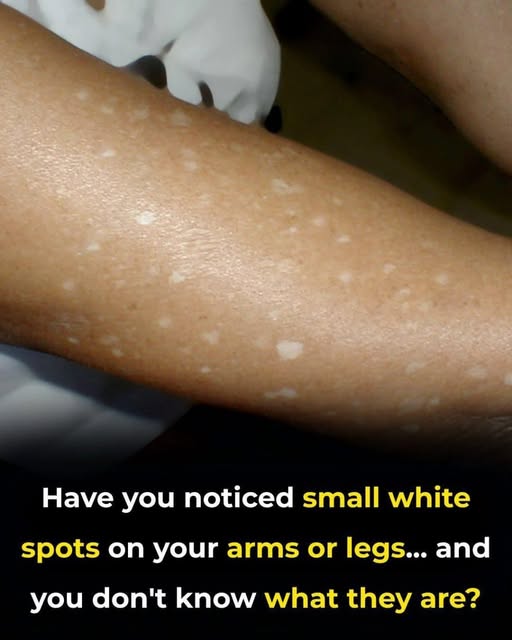
Many people notice small white spots appearing on their arms, legs, or other areas of the body as they get older. At first glance, these spots can be concerning because they seem to appear without warning and often become more noticeable after spending time in the sun. In most cases, these tiny white marks are harmless and are simply one of the many changes that can occur as the skin ages. While they are usually nothing to worry about, understanding why they develop can help ease concerns and encourage people to pay closer attention to their overall skin health.
Although harmless causes are common, any sudden or unusual changes to the skin should always be monitored, especially if they are accompanied by pain, itching, or rapid changes in appearance.
A Common Cause: Idiopathic Guttate Hypomelanosis
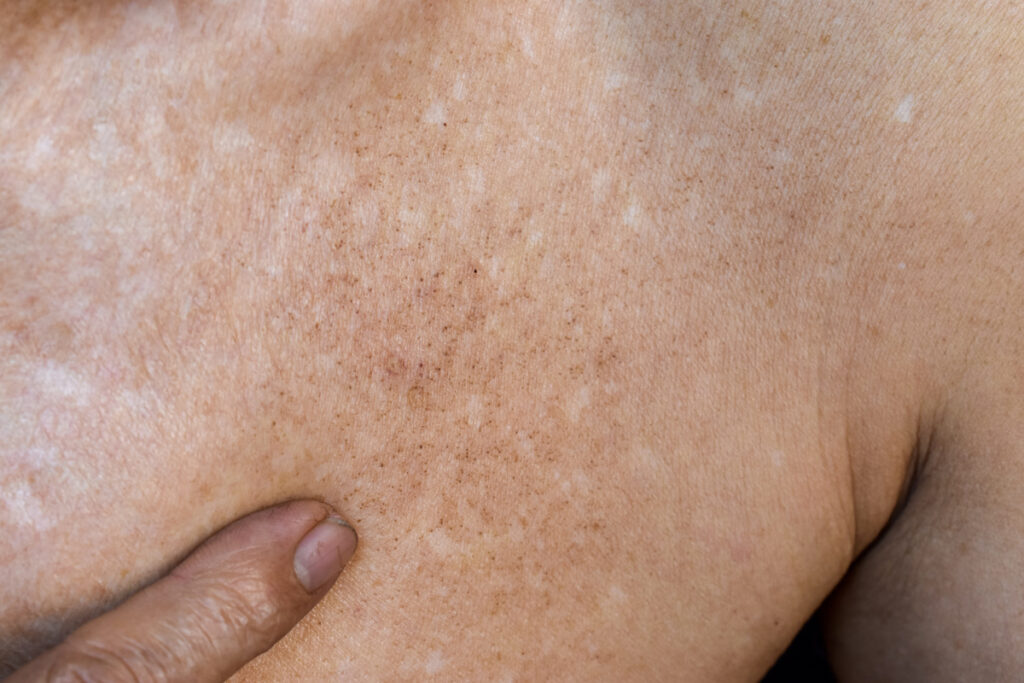
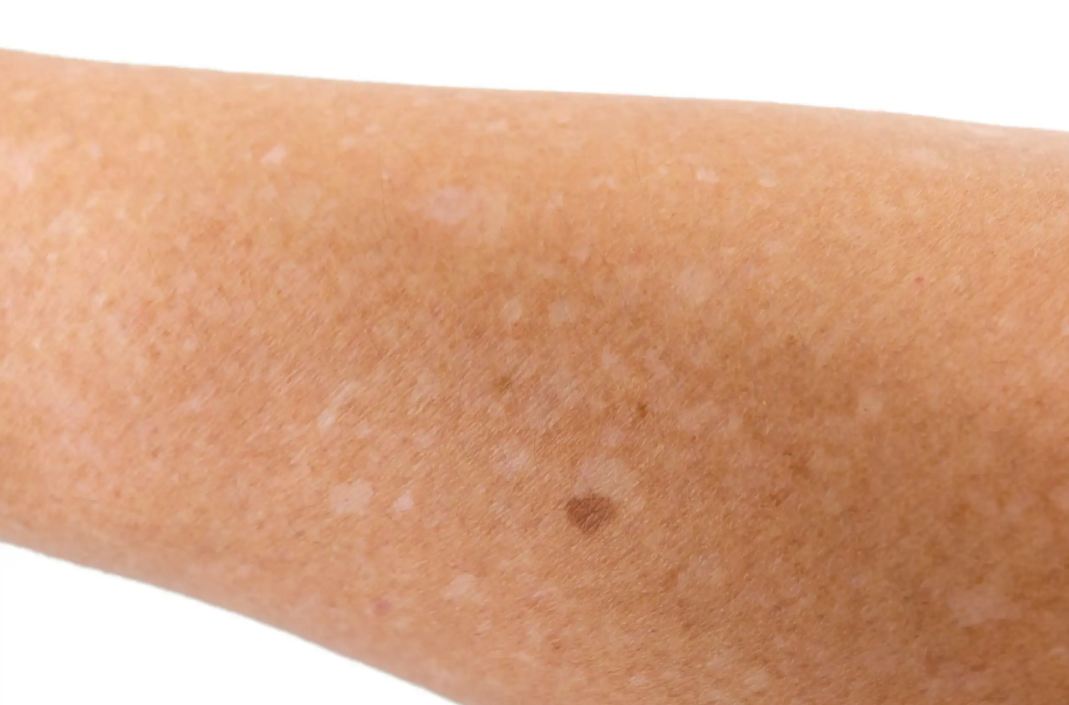
One of the most frequent explanations for small white spots is a condition known as idiopathic guttate hypomelanosis (IGH). IGH appears as tiny, smooth, flat white spots that usually measure just a few millimeters across. They most commonly develop on areas regularly exposed to sunlight, including the forearms, shins, shoulders, and sometimes the face. The condition is believed to occur because small patches of skin gradually lose some of their pigment-producing cells. As a result, these areas become lighter than the surrounding skin. IGH is not contagious, does not spread through physical contact, and is generally considered a cosmetic issue rather than a medical concern.
Why Do These Spots Appear?
Although researchers do not know the exact cause of IGH, several factors are thought to contribute to its development. Long-term exposure to ultraviolet (UV) rays from the sun is considered one of the biggest risk factors. Years of sun exposure may gradually damage pigment-producing cells, making white spots more likely to appear. Age also plays an important role. The condition becomes increasingly common in adults over the age of 40, although younger people can develop it as well. Genetics may contribute too. People with family members who have similar white spots may have a greater chance of developing them themselves.
Other Possible Causes
Not every white spot is caused by IGH. Several other skin conditions can produce similar changes in pigmentation. Vitiligo is an autoimmune condition that causes larger areas of skin to lose pigment. Unlike IGH, vitiligo often produces sharply defined white patches that may continue expanding over time. A fungal infection known as tinea versicolor can also create lighter patches on the skin. These spots may become more noticeable after sun exposure because the affected skin does not tan as easily as surrounding areas. Occasionally, skin injuries, burns, or inflammation can leave behind lighter patches after healing, a process known as post-inflammatory hypopigmentation. Because different conditions can look similar, persistent or changing white spots should be evaluated by a healthcare professional if there is uncertainty about the diagnosis.
Can They Be Treated?
Since idiopathic guttate hypomelanosis is harmless, treatment is usually unnecessary. Some people choose cosmetic treatments if they find the spots bothersome. Dermatologists may recommend topical creams, laser therapy, cryotherapy, or certain skin procedures, although results vary from person to person. The most effective long-term strategy is protecting the skin from excessive sun exposure. Wearing sunscreen with a broad-spectrum SPF, seeking shade during peak sunlight hours, and wearing protective clothing may help reduce further sun damage and support overall skin health. While these measures cannot completely prevent IGH, they can help protect healthy skin from additional ultraviolet damage.
When Should You See a Doctor?
Although most small white spots are harmless, it is important to seek medical advice if they change rapidly, spread quickly, become painful, bleed, itch persistently, or are accompanied by other unusual skin symptoms. A dermatologist can usually diagnose the cause through a physical examination and, if necessary, recommend additional tests or treatment options. Regular skin checks are also valuable for identifying other skin conditions early, including those unrelated to white spots. For many people, these tiny pale marks are simply a natural part of aging and years of sun exposure. Understanding their most common causes can provide reassurance while encouraging good sun protection habits and regular attention to overall skin health. If there is ever doubt about a new or changing skin lesion, consulting a healthcare professional is the safest course of action.