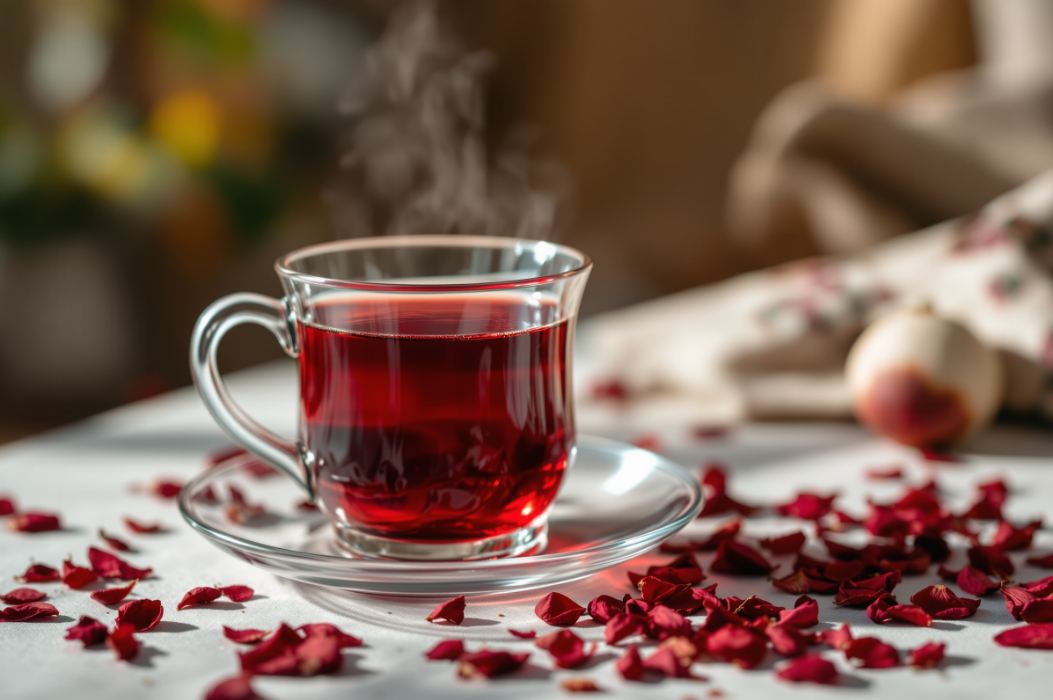
Hibiscus tea has become increasingly popular among people looking for natural ways to support their overall health. Made from the dried petals of the hibiscus flower, this vibrant ruby-red beverage is known for its refreshing tart flavor and impressive nutritional profile. For centuries, hibiscus has been enjoyed in many cultures around the world as both a refreshing drink and a traditional herbal remedy. Today, modern research continues to explore its potential health benefits, particularly its possible role in supporting heart health and maintaining healthy blood pressure levels.
While hibiscus tea is not a replacement for medical treatment or prescribed medication, many experts agree that it can be a healthy addition to a balanced lifestyle when enjoyed in moderation.
Rich in Antioxidants
One of the greatest benefits of hibiscus tea is its high concentration of antioxidants. Antioxidants are natural compounds that help protect the body’s cells from damage caused by unstable molecules known as free radicals. Over time, excessive oxidative stress may contribute to aging and increase the risk of developing chronic conditions such as heart disease. Hibiscus flowers contain plant compounds called anthocyanins, which give the tea its deep red color. These natural pigments also provide antioxidant properties that may help reduce inflammation and support healthy blood vessels. Regularly consuming antioxidant-rich foods and beverages is considered an important part of maintaining long-term health.
Supporting Healthy Blood Pressure
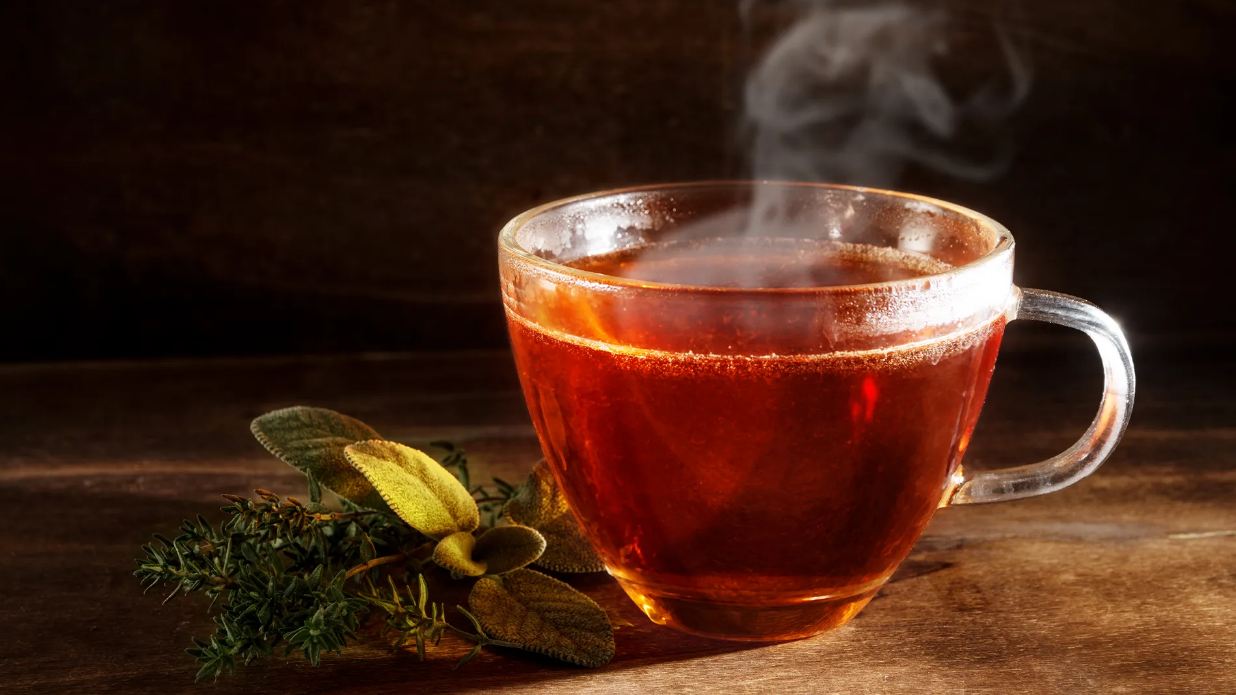
One of the most widely studied benefits of hibiscus tea is its potential effect on blood pressure. Several clinical studies suggest that regularly drinking hibiscus tea may help support healthy blood pressure levels in some adults, particularly when combined with other healthy lifestyle habits such as regular exercise, limiting sodium intake, and maintaining a healthy weight. Researchers believe hibiscus may help blood vessels relax, allowing blood to flow more efficiently. Some studies have found modest reductions in both systolic and diastolic blood pressure among participants who consumed hibiscus tea consistently. However, the effects vary from person to person, and individuals who already take medication for high blood pressure should consult their healthcare provider before making hibiscus tea a regular part of their routine, as it may enhance the effects of certain medications.
Potential Benefits for Heart Health
Healthy blood pressure is only one factor involved in maintaining a healthy heart. Some research suggests that hibiscus tea may also contribute to improved cardiovascular health by supporting healthy cholesterol levels. Preliminary studies indicate it may help reduce LDL cholesterol, often referred to as “bad” cholesterol, while helping maintain healthy HDL, or “good,” cholesterol. In addition, hibiscus may support healthy circulation thanks to its antioxidant and anti-inflammatory properties. Although more large-scale research is still needed, current findings are encouraging and suggest hibiscus tea may complement other heart-healthy habits such as eating plenty of fruits and vegetables, avoiding tobacco, and staying physically active.
Other Possible Health Benefits
Beyond supporting cardiovascular health, hibiscus tea may offer several additional advantages. The tea is naturally caffeine-free, making it an excellent choice for people who want a relaxing beverage without the stimulating effects of coffee or black tea. Hibiscus is also low in calories when consumed without added sugar, making it a refreshing option for those trying to reduce sugary drink consumption. Some early studies suggest hibiscus may support liver health, aid hydration, and contribute to healthy digestion. Its pleasantly tart flavor also makes it easy to enjoy either hot or iced throughout the year. Because it contains vitamin C and beneficial plant compounds, hibiscus tea can fit well into an overall nutritious eating pattern.
Enjoying Hibiscus Tea Safely
Preparing hibiscus tea is simple. Dried hibiscus flowers are steeped in hot water for several minutes, producing a vibrant red infusion with a naturally tangy taste. Many people enjoy adding lemon, cinnamon, mint, or a small amount of honey to customize the flavor. While hibiscus tea is generally considered safe for most healthy adults, moderation is important. People who are pregnant, have low blood pressure, or take medications for blood pressure or diabetes should speak with a healthcare professional before drinking it regularly, as herbal products can interact with certain medications. Ultimately, hibiscus tea should be viewed as one part of a healthy lifestyle rather than a cure for medical conditions. Combined with a balanced diet, regular physical activity, sufficient sleep, and routine medical care, this colorful herbal tea can be a delicious and refreshing way to support overall wellness while potentially contributing to better heart health.