
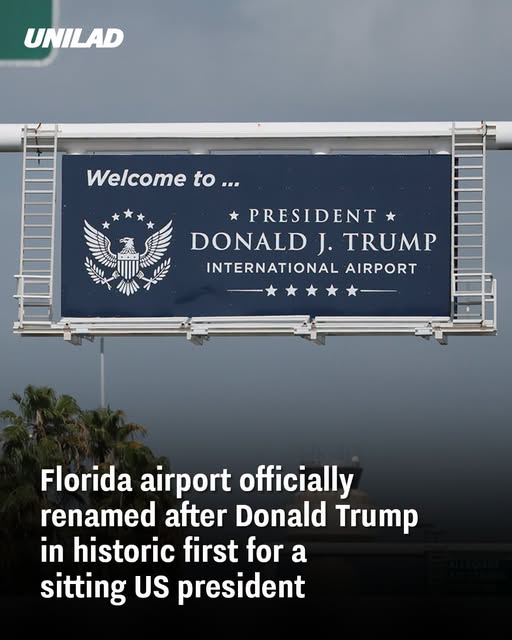
One of Florida’s busiest airports has officially entered a new chapter after receiving a new name in honor of President Donald J. Trump. The airport formerly known as Palm Beach International Airport is now officially called President Donald J. Trump International Airport, following the implementation of state legislation approved earlier this year.
The change has attracted nationwide attention, not only because of Trump’s political profile but also because the airport is located just a short distance from his Mar-a-Lago estate in Palm Beach. Supporters describe the move as a fitting tribute to a president with deep ties to the region, while critics argue that airports are traditionally named after historical figures rather than current political leaders.
How the Name Change Happened
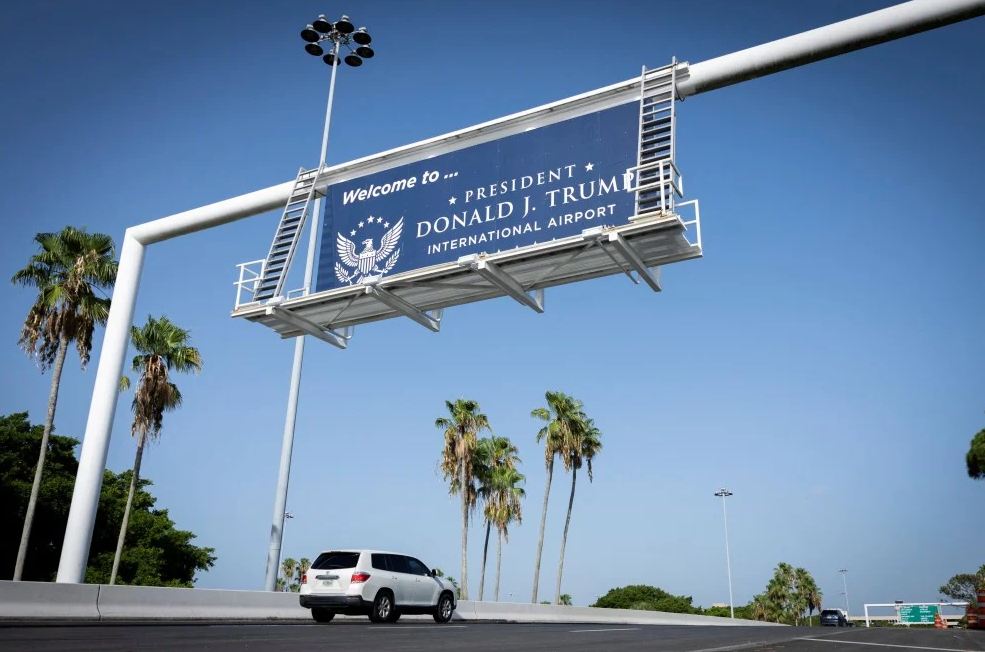
The renaming became possible after Florida lawmakers approved legislation giving the state authority over the naming of major commercial airports. Governor Ron DeSantis later signed the bill into law, making the new name official once all required approvals were completed. Although the airport now carries its new name, officials have emphasized that daily operations, ownership, security procedures, and passenger services remain exactly the same. Travelers can still expect the same flights, terminals, and amenities they used before the rebranding. The primary difference is the airport’s public identity and signage. Airport authorities also confirmed that updated branding would be introduced in stages to minimize disruption for travelers.
A Symbolic First Landing
The first aircraft to land after the official renaming carried special symbolism. The Trump Organization’s Boeing 757, commonly referred to as “Trump Force One,” touched down shortly after the new name became effective. Eric Trump, Executive Vice President of the Trump Organization, was among those on board and described the occasion as an important milestone for both the family and the state of Florida. Supporters celebrated the landing as a memorable moment marking the beginning of the airport’s new identity.
Airport Code Also Set to Change
The transition extends beyond the airport’s official name. Aviation authorities have also approved changes to the airport’s identification codes used by pilots and aviation systems. While travelers may continue to see the familiar PBI code during a transition period, aviation databases are gradually adopting the new DJT identifier, with airline reservation systems expected to complete the update later in the summer. Officials have reassured passengers that these technical updates will not affect scheduled flights or travel plans.
Mixed Public Reaction
As expected, the decision has generated a wide range of opinions. Supporters believe the airport’s new name reflects Trump’s lasting influence in Florida, particularly in Palm Beach County, where his Mar-a-Lago residence has become one of the state’s best-known landmarks. Many argue that honoring a president with strong local ties is appropriate and consistent with other airports named after American leaders. Others have questioned whether major public facilities should be renamed after living political figures. Some travelers interviewed at the airport said the change would not influence their travel plans, while others expressed concern that public infrastructure should remain politically neutral.
What Travelers Should Expect
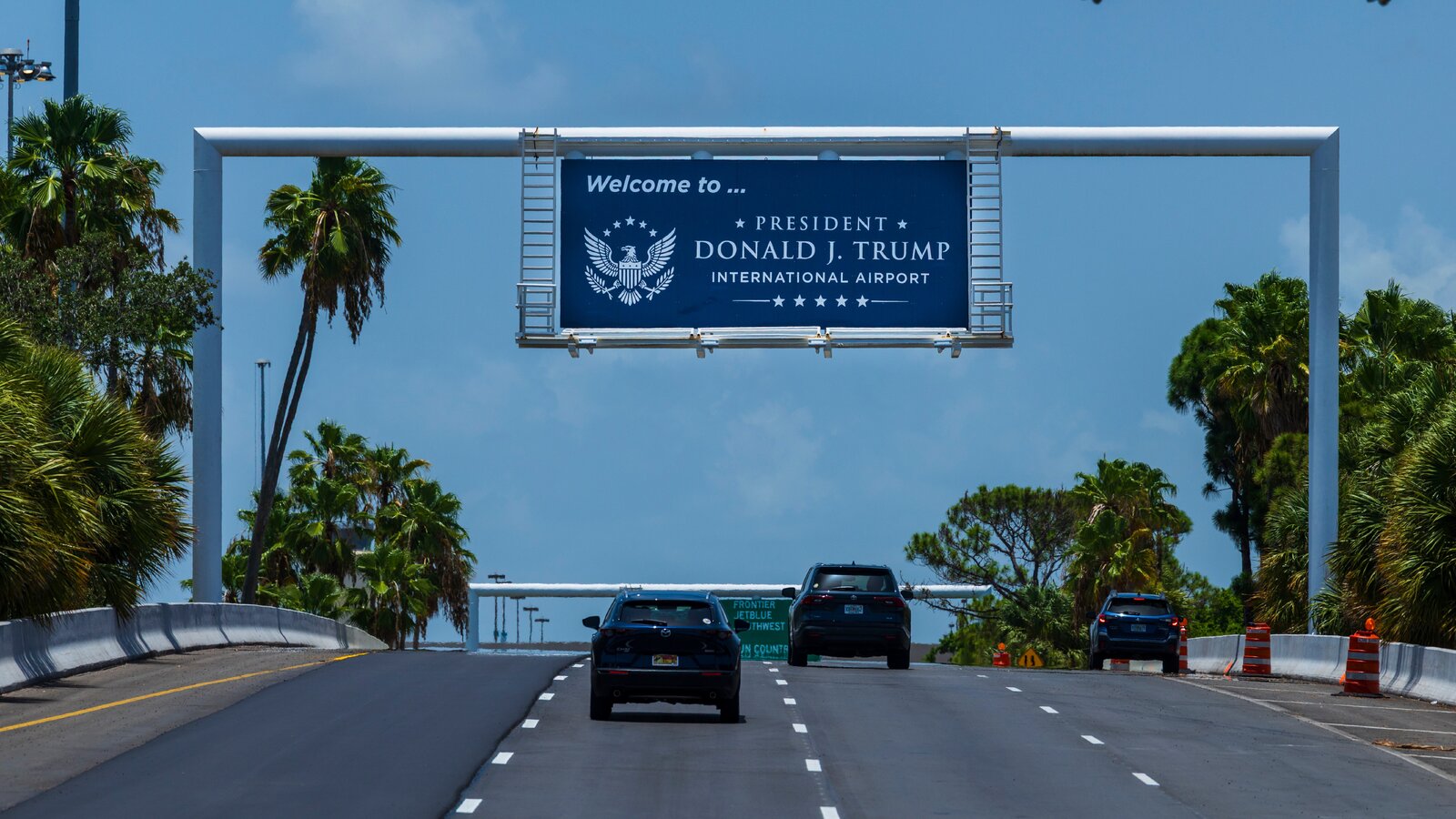
For most passengers, the experience of flying through the airport will remain virtually unchanged. Flights will continue to operate on their regular schedules, airlines will maintain their existing routes, and airport services will continue without interruption. The biggest differences travelers will notice are the new signs, updated branding, and eventual adoption of the airport’s revised identification code. Whether viewed as a historic tribute or a controversial political statement, the renaming represents one of the most talked-about airport changes in recent U.S. history. As the transition continues over the coming months, millions of passengers are expected to become familiar with the airport’s new identity while experiencing the same operations they have long relied upon.