Bananas are among the world’s most popular fruits, valued for their convenience, affordability, and impressive nutritional profile. Rich in potassium, vitamin B6, vitamin C, fiber, and natural carbohydrates, they provide a quick source of energy while supporting heart health, digestion, and overall well-being.
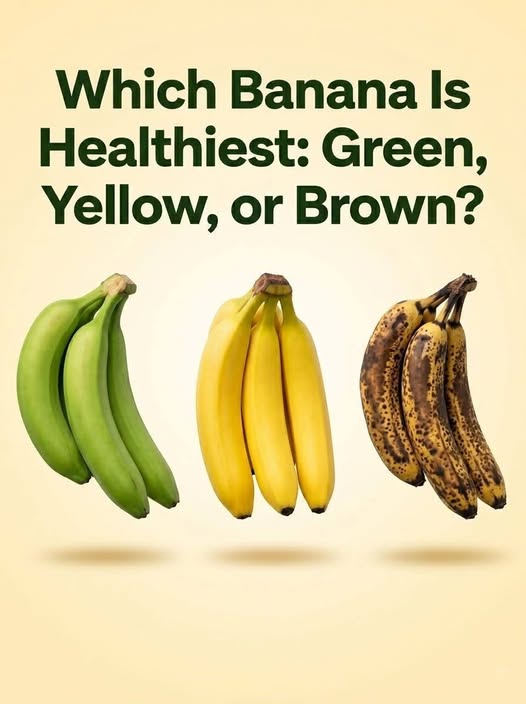
But have you ever wondered whether the color of a banana affects its nutritional value? From bright green to heavily speckled brown, bananas change dramatically as they ripen, and each stage offers its own unique health benefits. Rather than asking which banana is simply “the healthiest,” nutrition experts suggest considering your personal goals. Whether you’re trying to improve digestion, stabilize blood sugar, fuel a workout, or satisfy a sweet craving, the best banana may depend on what your body needs that day.
Green Bananas: High in Resistant Starch
Green bananas are firm, slightly bitter, and contain more resistant starch than fully ripe bananas. Resistant starch behaves similarly to dietary fiber because it passes through the small intestine without being fully digested. Once it reaches the large intestine, it feeds beneficial gut bacteria that contribute to digestive health. This process may help improve bowel function and support a healthier gut microbiome. Because green bananas contain less sugar, they generally cause a slower rise in blood glucose levels than ripe bananas. For some people, this makes them a satisfying option for maintaining steady energy throughout the day. Although they may not be as sweet, green bananas are often used in savory dishes, baked recipes, and smoothies.
Yellow Bananas: A Well-Balanced Choice
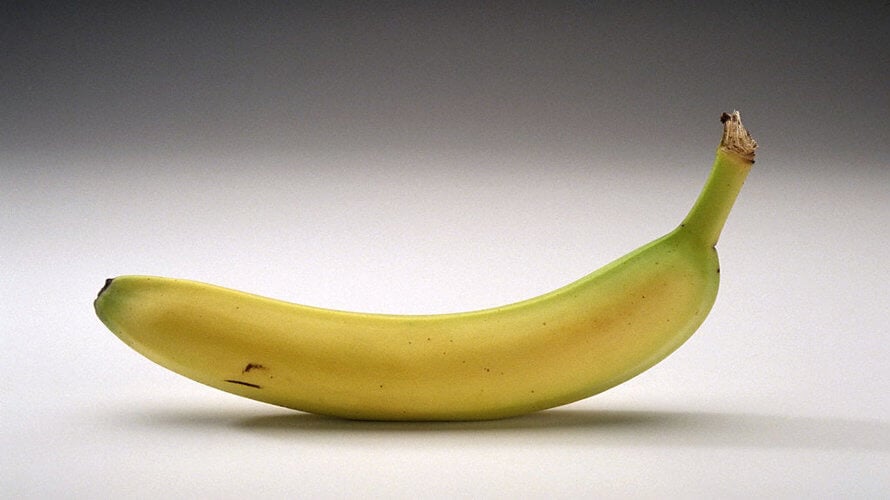
When bananas turn bright yellow, they reach the stage that many people consider ideal for everyday eating. At this point, much of the resistant starch has been converted into natural sugars, giving the fruit its familiar sweetness while remaining easy to digest. Yellow bananas still provide an excellent supply of potassium, an essential mineral that helps regulate blood pressure, supports muscle contractions, and contributes to proper nerve function. They also deliver vitamin B6, which plays an important role in brain development, immune health, and the production of neurotransmitters involved in mood regulation. For most healthy adults, a ripe yellow banana represents an excellent balance of nutrition, taste, and convenience.
Spotted Bananas: Naturally Sweeter
As bananas continue ripening, small brown spots begin appearing on the peel. Many people mistakenly assume spotted bananas are beginning to spoil, but they are actually at one of their sweetest stages. During ripening, more starch converts into simple sugars, creating a softer texture and richer flavor. These bananas are ideal for baking, blending into smoothies, mixing with oatmeal, or adding natural sweetness to desserts without requiring as much added sugar. The fruit also contains antioxidants that help protect cells from damage caused by free radicals, supporting overall health as part of a balanced diet.
Brown Bananas: Perfect for Reducing Food Waste
When a banana becomes mostly brown, many people throw it away even though it remains perfectly useful in many recipes. Brown bananas have an extremely soft texture and intense sweetness, making them excellent for banana bread, muffins, pancakes, and homemade ice cream. Although some vitamins may gradually decline during the ripening process, brown bananas still provide valuable nutrients, including potassium and dietary fiber. Using overripe bananas in cooking is also an excellent way to reduce food waste while creating naturally sweet meals without excessive refined sugar. As long as the fruit shows no signs of mold or an unpleasant odor, it is generally safe to enjoy.
Choosing the Best Banana for Your Needs
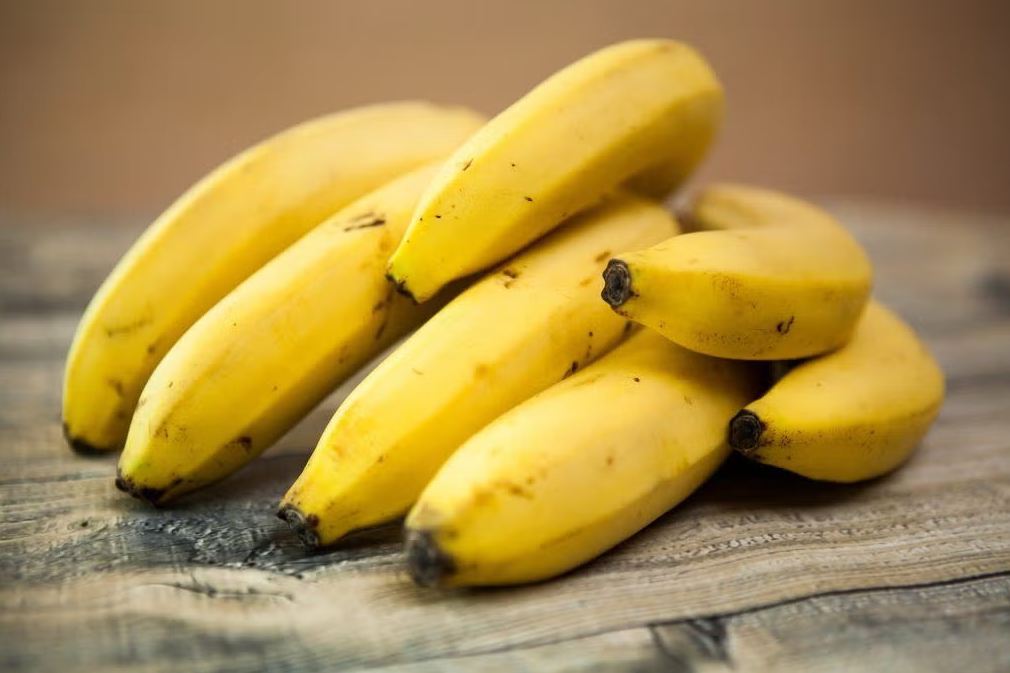
Each stage of ripeness offers slightly different nutritional advantages. Green bananas may benefit those looking for additional resistant starch and slower digestion. Bright yellow bananas provide a balanced combination of nutrients and natural sweetness, making them ideal for daily snacks. Spotted bananas offer extra sweetness and blend beautifully into recipes, while brown bananas shine in baking and cooking. Instead of searching for one “perfect” banana, consider how you plan to use it. Athletes may appreciate the quick energy provided by ripe bananas before exercise, while someone seeking greater fullness may prefer a greener banana. Ultimately, every banana can be part of a healthy eating pattern when combined with a balanced diet rich in fruits, vegetables, whole grains, lean proteins, and healthy fats. The next time you notice bananas at different stages of ripeness, you’ll know that each one has something valuable to offer—and none should be overlooked simply because of its color.