
A routine commercial flight turned into a frightening experience when a woman suffered a medical emergency shortly after takeoff, prompting concern from fellow passengers and cabin crew. The unexpected incident unfolded while the aircraft was in the air, creating a tense atmosphere as those nearby tried to assist until the plane could safely continue its journey. According to reports shared after the flight, the woman’s husband said the episode happened without warning. What began as a normal trip quickly became a stressful situation as his wife repeatedly lost consciousness, leaving those around her unsure of what would happen next.
While medical emergencies on commercial flights are uncommon, airlines train cabin crew to respond quickly and coordinate with any healthcare professionals who may be traveling onboard.
Fellow Travelers Stepped In to Help
As the woman’s condition worsened, nearby passengers worked alongside the flight attendants to provide assistance. Her husband later explained that several people immediately offered support, helping keep her safe while crew members assessed the situation. One passenger reportedly helped keep the woman’s legs elevated in an effort to improve blood circulation, while others made space so the crew could monitor her condition more easily. The husband later praised everyone who assisted, saying their calm actions helped him remain hopeful during an extremely frightening experience. Acts of kindness from strangers during emergencies are not unusual on commercial flights, where passengers often work together when immediate medical assistance is needed.
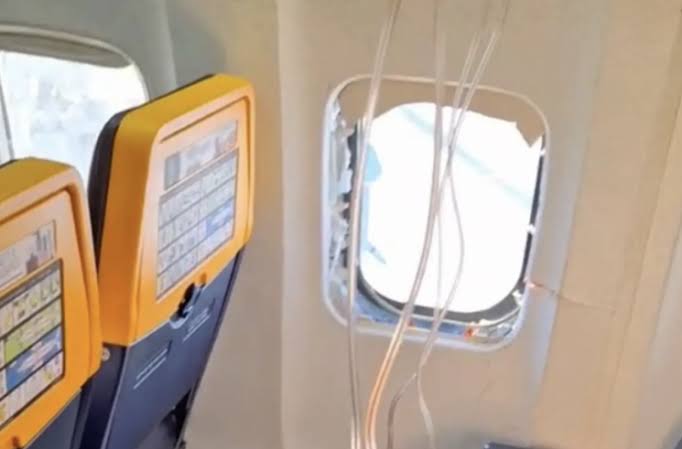
A Difficult Experience for the Family
The husband described feeling helpless as his wife drifted in and out of consciousness several times. Watching a loved one become seriously ill while thousands of feet above the ground can be especially distressing because access to advanced medical care is limited until the aircraft lands. Although cabin crews receive first-aid training and aircraft carry emergency medical equipment, treating complex health emergencies in flight presents unique challenges. Decisions about whether to divert a flight depend on several factors, including the passenger’s condition, available medical advice, weather conditions, and the aircraft’s location. Fortunately, many airlines are also able to communicate with doctors on the ground who can guide crews through medical situations while the flight continues.
Medical Emergencies in the Air
Health experts say the most common in-flight medical incidents include fainting, dizziness, breathing difficulties, allergic reactions, chest pain, and low blood sugar. Fainting, also known as syncope, can occur for many reasons, including dehydration, anxiety, low blood pressure, heat, or underlying medical conditions. Because cabin pressure is lower than at ground level, some passengers—particularly those with existing health concerns—may be more likely to experience discomfort or symptoms while flying. Airlines prepare for these situations by equipping aircraft with first-aid kits, oxygen supplies, automated external defibrillators (AEDs) on many flights, and procedures designed to help stabilize passengers until professional medical care becomes available.
The Importance of Acting Quickly
Medical professionals emphasize that early recognition of symptoms can make a significant difference during emergencies. If someone loses consciousness, experiences severe chest pain, struggles to breathe, or shows signs of a stroke, immediate attention from trained personnel is essential. Passengers are encouraged to notify cabin crew as soon as they notice someone becoming unwell rather than waiting to see if symptoms improve on their own. Quick communication allows the crew to begin first aid, request assistance from medically trained passengers if necessary, and contact healthcare specialists on the ground.

A Reminder That Emergencies Can Happen Anywhere
The incident serves as a reminder that unexpected medical emergencies can happen even during ordinary activities such as air travel. While flying remains one of the safest forms of transportation, health issues can arise without warning, making preparation and rapid response especially important. The husband later expressed gratitude to the cabin crew and fellow passengers who offered support during the frightening ordeal. Their willingness to help demonstrated how cooperation and compassion can make a meaningful difference during stressful situations. Although the experience was deeply unsettling for everyone involved, it also highlighted the value of emergency training, teamwork, and calm decision-making. For many travelers, the event reinforced the importance of listening to medical advice before flying, staying hydrated during journeys, and seeking assistance immediately if any concerning symptoms develop while in the air.