
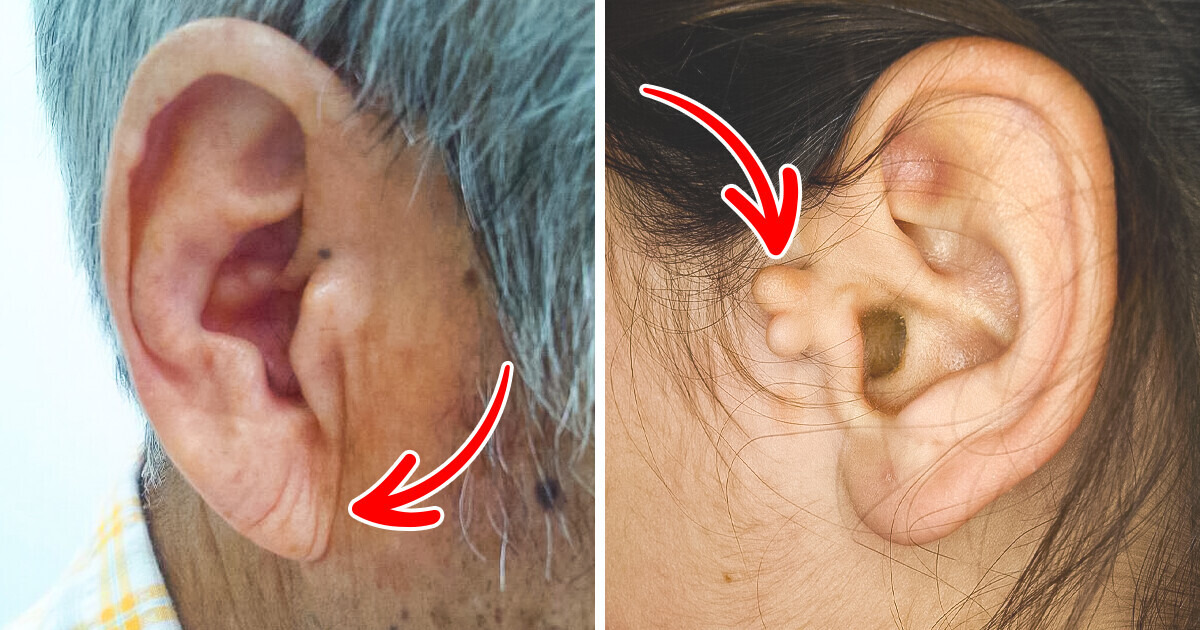
Most people think of their ears simply as the organs responsible for hearing and balance. However, healthcare professionals know that changes affecting the ears can sometimes provide clues about a person’s general health. While ear-related symptoms do not always point to a serious medical condition, they can occasionally signal underlying issues that deserve attention. Understanding what different changes may mean can encourage people to seek medical advice when necessary rather than ignoring symptoms that persist.
Ringing in the Ears
A ringing, buzzing, or humming sound that no one else can hear is known as tinnitus. It is a common condition that can have many different causes. For some people, tinnitus develops after prolonged exposure to loud noise, while for others it may be associated with age-related hearing loss, certain medications, earwax buildup, or other medical conditions. Although tinnitus is often not dangerous, persistent or worsening symptoms should be evaluated by a healthcare professional, particularly if they affect only one ear or are accompanied by dizziness or hearing loss.
Hearing Changes Should Not Be Ignored
Gradual hearing loss often develops slowly, making it difficult for people to recognize at first. Family members may notice that someone frequently asks others to repeat themselves, turns up the television volume, or struggles to follow conversations in noisy environments. Hearing loss may simply be part of aging, but it can also result from infections, excessive noise exposure, injury, or other health conditions. Early assessment can identify treatable causes and help prevent further damage. Regular hearing tests are especially important for older adults and individuals who work in noisy environments.
Ear Pain and Infection
Pain in or around the ear is commonly caused by infections affecting either the outer or middle ear. Symptoms may include discomfort, swelling, redness, drainage, or temporary hearing changes. Most ear infections improve with appropriate treatment, but severe pain, persistent fever, or fluid leaking from the ear should always be assessed by a medical professional. In some cases, ear pain may not originate in the ear itself. Dental problems, jaw disorders, or throat infections can sometimes cause pain that seems to come from the ear.
Balance Problems and Dizziness
The inner ear plays a vital role in maintaining balance. When this system is affected, people may experience dizziness, vertigo, or difficulty walking steadily. These symptoms can have many possible causes, including inner ear disorders, viral infections, medication side effects, low blood pressure, or neurological conditions. Anyone experiencing sudden or severe dizziness, especially when combined with weakness, difficulty speaking, or vision changes, should seek immediate medical attention.
Skin Changes Around the Ear
The skin surrounding the ears can also provide useful health information. Persistent rashes, swelling, unusual growths, or sores that do not heal should be examined by a healthcare provider. Long-term sun exposure can increase the risk of skin damage around the ears, making sunscreen and protective hats important during outdoor activities. People who wear hearing aids, headphones, or earrings regularly should also watch for signs of irritation or allergic reactions.
Protecting Your Ear Health
Looking after your ears involves more than simply cleaning them. Experts recommend avoiding inserting cotton swabs or other objects into the ear canal, as these can push wax deeper or damage delicate tissues. Protective earplugs should be worn during loud concerts, sporting events, or when using noisy machinery. Keeping the volume at safe levels when using headphones can also reduce the risk of hearing damage over time. Regular medical check-ups are important if hearing changes, persistent pain, or repeated infections occur.
Listening to Your Body
Our ears can sometimes provide valuable clues about our overall health, but they should never be used to diagnose medical conditions without professional evaluation. Many ear symptoms have harmless explanations, while others may indicate a problem that benefits from early treatment. Paying attention to persistent changes, protecting your hearing from excessive noise, and seeking medical advice when symptoms do not improve are simple steps that can support both ear health and overall well-being. Caring for your ears today can help preserve hearing and balance for years to come.