
For generations, vinegar has been used as a natural household cleaner, and many people have discovered that it can also be useful in the laundry room. While it is not a replacement for every cleaning product, this common kitchen ingredient has become popular among people looking for simple ways to care for their clothes and reduce the use of harsh chemicals.
From helping remove unpleasant smells to improving the feel of fabrics, vinegar has several potential benefits when used correctly.
How Vinegar Can Help Freshen Clothes
One of the main reasons people add vinegar to their washing machine is to help reduce lingering odors. Clothing can sometimes hold onto smells caused by sweat, detergent buildup, or bacteria trapped in fabric fibers. White distilled vinegar contains acetic acid, which can help break down some residues left behind by detergents and fabric softeners. Removing this buildup may allow fabrics to feel cleaner and smell fresher after washing. However, vinegar does not work like a traditional perfume-based fabric softener. Instead of covering odors with fragrance, it works by helping remove substances that contribute to unwanted smells.
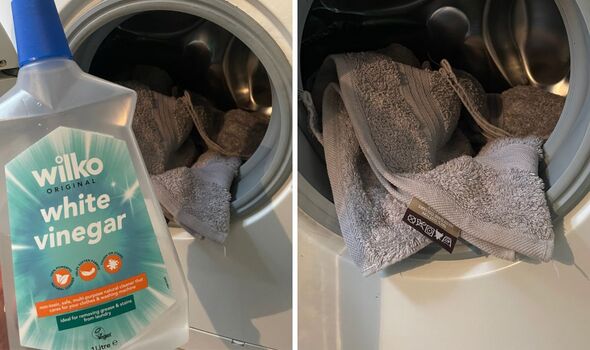
Softer Towels Without Heavy Products
Many people notice that towels can become stiff over time, especially when detergent or fabric softener builds up on the fibers. This residue can make towels feel less absorbent and less comfortable. Adding a small amount of vinegar during the wash cycle may help reduce some of this buildup, allowing towel fibers to move more freely. As a result, towels may feel softer and maintain their ability to absorb water. Experts often recommend avoiding excessive use of commercial fabric softeners on towels because some products can leave behind a coating that reduces absorbency.
Can Vinegar Make Whites Whiter?
Vinegar is sometimes promoted as a natural way to brighten white clothing, but expectations should be realistic. It is not a bleach substitute and will not remove all stains or restore heavily discolored fabrics. However, by helping remove detergent residue and mineral deposits from water, vinegar may help white fabrics appear cleaner over time. For difficult stains, specialized stain removers or appropriate laundry products may still be necessary. Keeping white clothing bright also depends on factors such as washing temperature, fabric type, water quality, and avoiding overloading the washing machine.
How to Use Vinegar Safely in Laundry
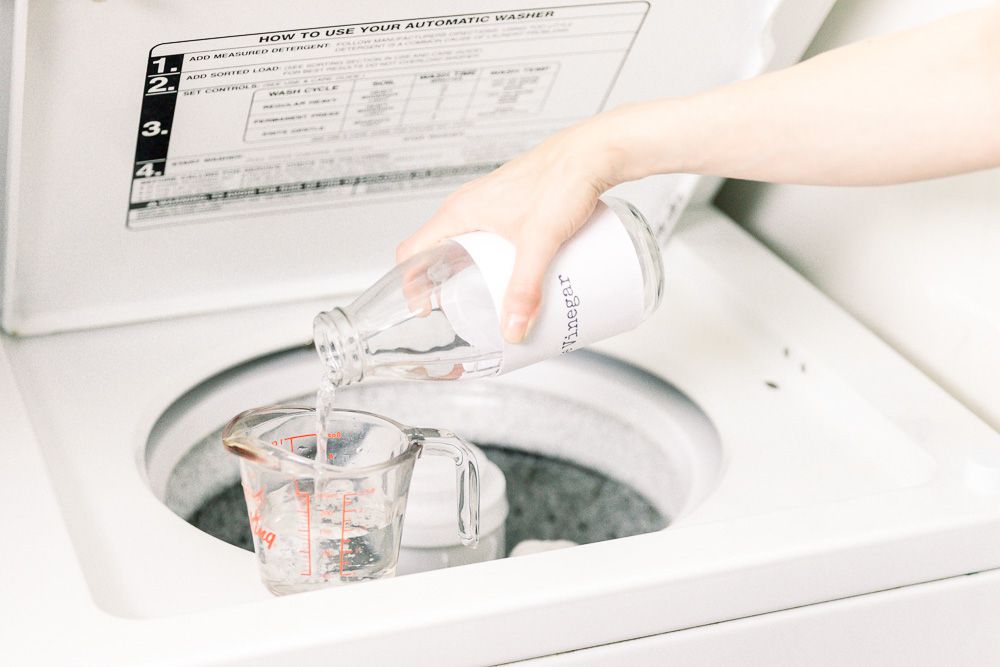
If someone chooses to use vinegar in their laundry routine, it is generally best to use white distilled vinegar rather than darker varieties that could stain fabrics. A small amount added to the washing machine’s rinse cycle is commonly recommended. It should not be mixed directly with chlorine bleach because the combination can create dangerous chemical reactions. Vinegar should also be used carefully on certain materials. Delicate fabrics, special finishes, or clothing that requires specific care instructions may not respond well to acidic products.
Other Laundry Habits That Improve Results
While vinegar can be a helpful addition, good laundry habits remain the foundation of clean clothing. Washing items according to their care labels, avoiding too much detergent, cleaning the washing machine regularly, and allowing clothes to dry properly can all improve results. Overloading the washer can also prevent clothes from being cleaned effectively because water and detergent cannot move freely between fabrics.
A Traditional Tip With Modern Appeal
Vinegar remains popular because it is inexpensive, widely available, and versatile. Although it is not a miracle solution for every laundry problem, it can be a useful option for people who want to reduce residue and keep fabrics feeling fresh. Like any household method, it works best when used correctly and with realistic expectations. Combined with proper washing techniques, vinegar can be a simple tool for maintaining cleaner, fresher laundry.