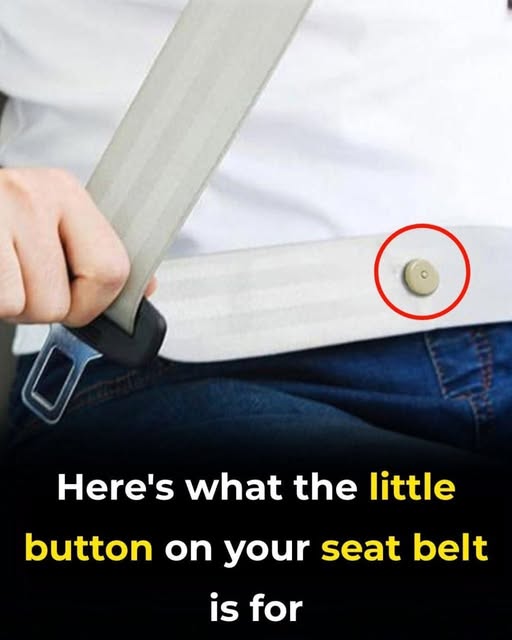
Most people use a seat belt every day without thinking about the small details that make it work. The buckle, strap, and locking mechanism are familiar parts of every vehicle, but there are smaller features that often go unnoticed. One of these is the small button found on many seat belt straps near the buckle. Although it may look like a simple piece of plastic, it plays an important role in making the seat belt easier and more comfortable to use.
The Purpose of the Seat Belt Stop Button
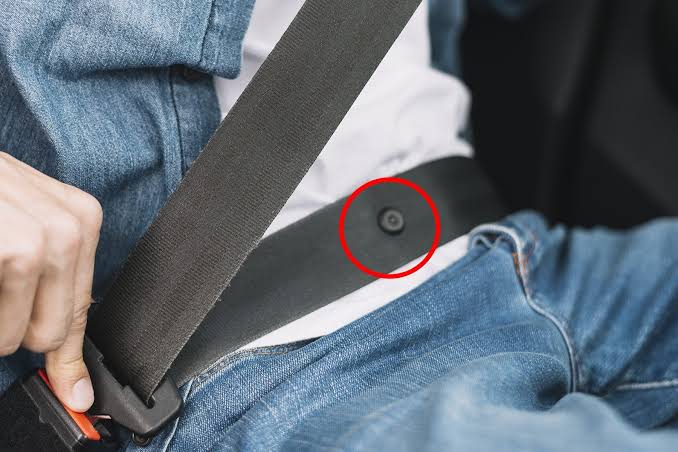
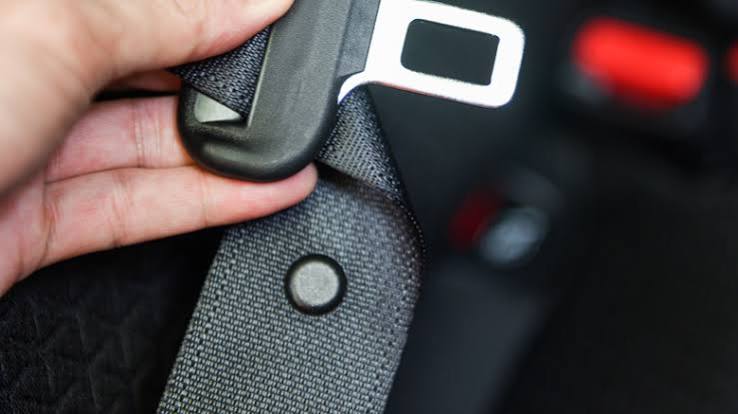
The small button attached to the seat belt strap is commonly known as a stop button or belt stop. Its main job is to prevent the metal latch plate from sliding too far down the belt when the seat belt is not being worn. Without this small piece, the metal buckle tongue could move freely along the strap and fall toward the floor when the belt is released. This would make passengers search around for the buckle every time they entered the vehicle. The button keeps the latch plate positioned at a convenient height, allowing drivers and passengers to grab it quickly and fasten the belt without unnecessary effort.
A Simple Design That Improves Convenience
Although the stop button does not protect passengers during a crash in the same way the main seat belt system does, it improves everyday usability. A seat belt that is easier to reach is more likely to be used correctly and consistently. Vehicle designers focus on small details like this because convenience can influence safety habits. If a safety feature is frustrating or difficult to use, people may be less likely to use it properly. The small button is an example of how automotive engineers combine safety with practical design.
How Seat Belts Protect Passengers
The main purpose of a seat belt is to keep occupants securely positioned during sudden stops or collisions. When a vehicle crashes, the body continues moving forward because of momentum. The seat belt helps slow that movement and spreads the force across stronger areas of the body. Modern seat belts include several advanced components, including retractors that tighten during certain impacts, pretensioners that remove slack during a crash, and force limiters designed to reduce pressure on the body. Together, these features help reduce the risk of serious injuries.
Common Seat Belt Mistakes People Make
Even the best safety technology cannot work properly if a seat belt is used incorrectly. Some common mistakes include placing the shoulder strap behind the back, wearing the belt under the arm, leaving too much slack, or sitting in a position that prevents the belt from fitting correctly. The lap portion of the belt should sit low across the hips rather than across the stomach, while the shoulder section should rest comfortably across the chest and shoulder. Passengers should also avoid placing thick clothing, cushions, or other objects between themselves and the belt because these can affect how well it works during a crash.
Small Features, Big Safety Lessons
The tiny button on a seat belt may seem insignificant, but it represents the careful engineering behind everyday vehicle safety. Many car features are designed not only to protect people during emergencies but also to encourage safer behavior during normal use. Understanding how these features work can help drivers appreciate the technology built into modern vehicles. The next time you fasten your seat belt, you may notice the small button holding the buckle in place. It is a reminder that even the smallest parts of a car can have an important role in making travel safer and more convenient.