

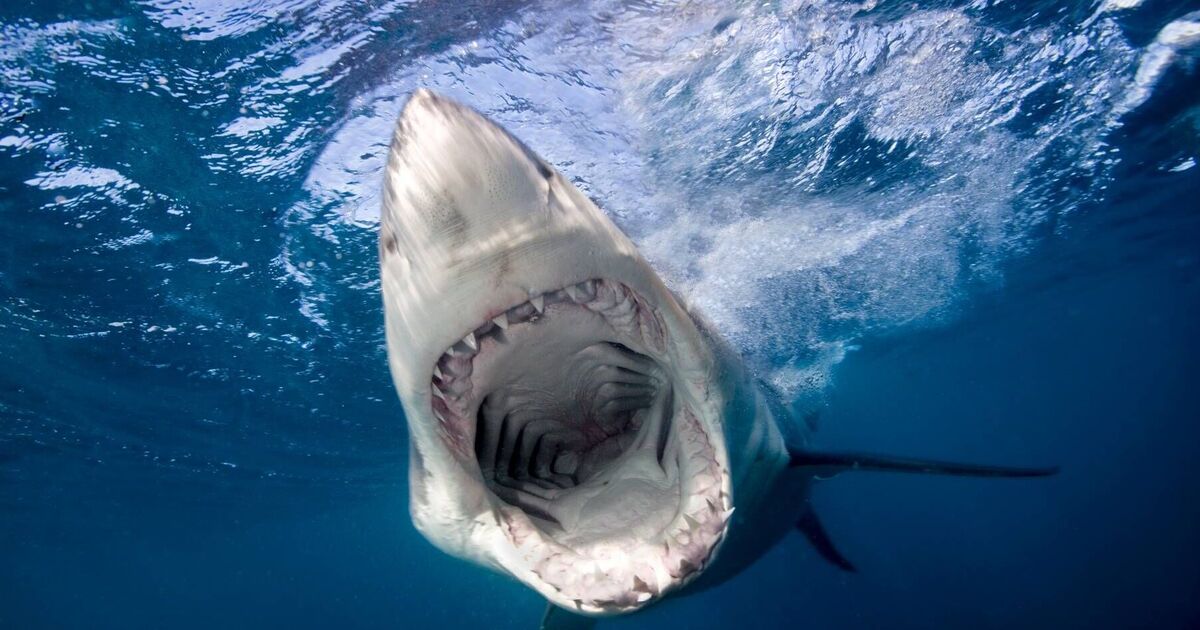
Marine researchers have once again captured the public’s imagination after tracking one of the largest great white sharks ever recorded in the Atlantic Ocean. The enormous predator, fitted with a satellite tracking device by scientists, has been monitored as it travels along the eastern coastline of North America. Sightings and tracking updates of large sharks often generate excitement and concern, but researchers emphasize that these animals play an essential role in maintaining healthy ocean ecosystems. Rather than being creatures to fear, great white sharks are important apex predators that help keep marine populations balanced.
How Scientists Track Great White Sharks
Modern satellite technology has transformed the way scientists study marine life. By attaching specially designed tracking tags to sharks, researchers can collect valuable information about migration routes, feeding areas, seasonal movements, and habitat preferences. The tags transmit location data whenever the shark surfaces, allowing researchers to monitor its journey over thousands of miles. This information helps scientists better understand where sharks spend their time and how environmental changes may influence their movements. Tracking programs have also revealed that many great white sharks travel great distances each year, moving between northern feeding grounds and warmer southern waters as the seasons change. These migrations can span thousands of miles and demonstrate just how adaptable these remarkable animals are.
Why Size Matters
Large great white sharks attract attention because they represent fully mature individuals that have survived for many years in the wild. Reaching an impressive length and weight requires access to healthy food sources and favorable environmental conditions over a long period. Adult great whites typically feed on fish, rays, seals, sea lions, and other marine animals. As they grow, their diet changes, allowing them to take advantage of larger prey that provides the energy needed to support their massive bodies. Despite their size, scientists explain that great white sharks spend much of their lives swimming through vast stretches of ocean where encounters with humans are relatively rare.
What Tracking Data Can Teach Us
Every movement recorded by a tagged shark adds to a growing database that helps researchers answer important scientific questions. By comparing migration routes over multiple years, experts can identify seasonal patterns, breeding areas, and regions that deserve additional conservation efforts. Tracking also helps scientists understand how ocean temperatures, changing currents, and food availability influence shark behavior. As climate conditions continue to evolve, this information becomes increasingly valuable for protecting marine biodiversity. Researchers can also use these findings to improve public education by providing accurate information about where sharks are likely to be found during different times of the year.
Are Beachgoers at Risk?
Whenever news of a large shark reaches the public, many people immediately wonder whether it poses a danger to swimmers. Marine experts stress that shark attacks remain extremely uncommon, especially considering the millions of people who enter the ocean every year. Great white sharks generally hunt marine mammals and fish rather than humans. Most recorded shark bites are believed to be cases of mistaken identity or curiosity rather than deliberate attacks. Beach safety officials continue to monitor coastal waters and issue advisories whenever necessary. Swimmers are encouraged to follow local guidance, avoid entering the water where sharks have recently been observed, and stay away from areas where seals or large schools of fish are present.
The Importance of Great White Sharks
Although they are often portrayed as fearsome predators, great white sharks are vital to the health of ocean ecosystems. As apex predators, they help regulate populations of other marine species, contributing to a balanced food web. Without healthy shark populations, marine ecosystems can become less stable, affecting many other animals that depend on the same habitats. Conservation organizations continue to study and protect great white sharks, recognizing that many populations face challenges from accidental fishing, habitat changes, pollution, and climate-related shifts in ocean conditions.

A Reminder of Nature’s Power
The discovery and tracking of another enormous great white shark serves as a reminder of how much remains to be learned about life beneath the ocean’s surface. Every tagged shark provides researchers with valuable information that can improve conservation efforts and deepen our understanding of one of the sea’s most iconic predators. While the size of these animals naturally captures headlines, scientists hope the attention also encourages greater appreciation for marine research and ocean conservation. By learning more about great white sharks, researchers can help ensure these remarkable creatures continue to thrive in the world’s oceans for generations to come.