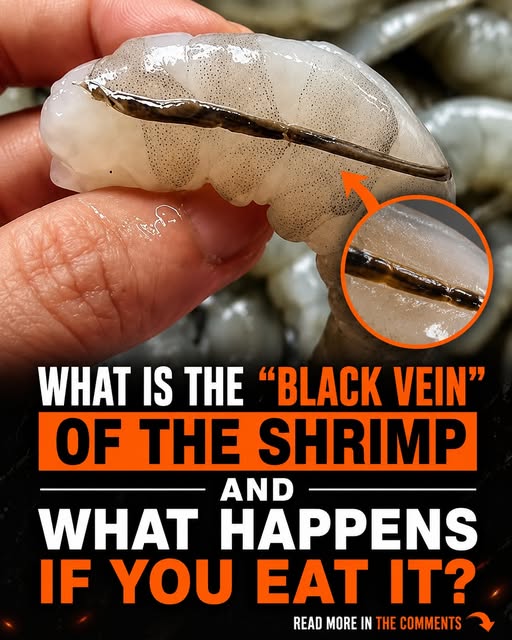
Shrimp is one of the most popular seafood choices worldwide. It is versatile, nutritious, and used in countless recipes ranging from salads and pasta dishes to grilled specialties and stir-fries. Despite its popularity, many people remain uncertain about one particular feature often found along the shrimp’s back: the dark line commonly referred to as the “black vein.”
Some people remove it automatically before cooking, while others leave it untouched. Over the years, numerous myths have circulated online, with some claiming that consuming the black vein can be dangerous. Understanding what this dark line actually is can help separate fact from fiction.
What Is the Black Vein?
Despite its name, the black vein is not actually a vein. It is the shrimp’s digestive tract, sometimes called the intestinal tract. This narrow tube runs along the back of the shrimp and contains waste material, partially digested food, and sediment that the shrimp consumed while feeding. The appearance of the tract can vary significantly. In some shrimp it may appear dark and highly visible, while in others it can be nearly transparent and difficult to detect. The size and color often depend on the shrimp’s diet and how recently it fed before being harvested.
Is It Dangerous to Eat?
For most healthy individuals, eating shrimp with the digestive tract intact is generally not considered dangerous when the shrimp has been properly handled, stored, and cooked. High cooking temperatures destroy many harmful microorganisms that could potentially be present. However, the digestive tract can contain bacteria, sand, mud, and waste material that some people would prefer not to consume. While these substances do not necessarily pose a serious health risk when cooked, they may affect the overall eating experience. The primary concern is often related more to quality and cleanliness than to safety.
Why Many Chefs Remove It
Professional chefs and seafood processors frequently remove the digestive tract through a process known as deveining. This practice is often performed for aesthetic and culinary reasons rather than strict food-safety requirements. Removing the tract can improve the shrimp’s appearance and create a cleaner presentation, especially in dishes where the shrimp is served whole or prominently displayed. Many cooks also believe that deveined shrimp offers a more pleasant texture and flavor because any gritty particles or digestive residue have been eliminated.
The Impact on Taste
One reason many people choose to devein shrimp is the potential effect on flavor. In some cases, the digestive tract may contain sediment or material that contributes a slightly bitter or unpleasant taste. This is particularly noticeable in larger shrimp, where the tract tends to be more substantial and visible. Smaller shrimp often have very tiny digestive tracts that may have little to no impact on flavor. As a result, some home cooks only remove the tract from larger varieties.
When Deveining Is Most Important
Although eating the digestive tract is generally not harmful, there are situations where removing it is strongly recommended. Large shrimp used in elegant presentations, restaurant-quality dishes, or recipes where appearance matters most are often deveined to enhance visual appeal. Similarly, individuals who are sensitive to texture may prefer deveined shrimp to avoid encountering any gritty material. Many frozen shrimp products sold in supermarkets are already cleaned and deveined, making preparation easier for consumers.
How to Remove the Vein
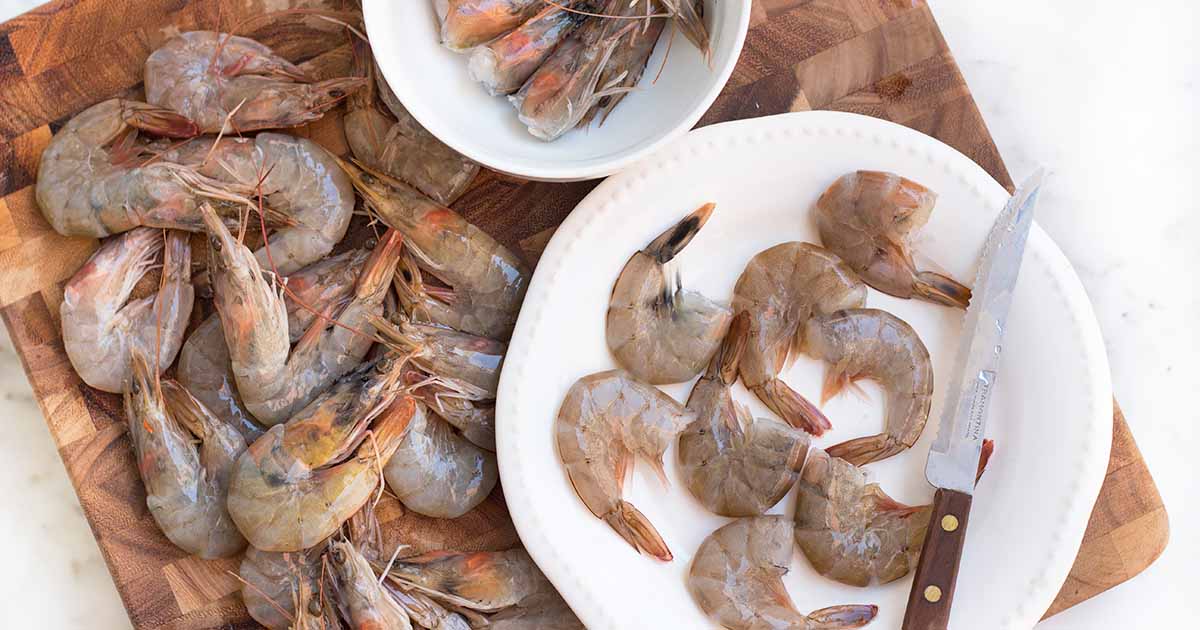
Deveining shrimp is a relatively simple process. Using a small knife, a shallow cut is made along the back of the shrimp. The dark tract can then be lifted out and discarded. Some kitchen tools are specifically designed for this purpose, although a standard paring knife works just as well. The process takes only a few seconds per shrimp once you become familiar with the technique. After removal, the shrimp should be rinsed thoroughly before cooking.
Nutritional Benefits of Shrimp
Regardless of whether it is deveined, shrimp remains a highly nutritious food. It is an excellent source of protein while being relatively low in calories and fat. Shrimp also provides important nutrients such as selenium, vitamin B12, iodine, phosphorus, and omega-3 fatty acids. These nutrients contribute to various aspects of health, including immune function, energy production, and cardiovascular wellness. When prepared using healthy cooking methods, shrimp can be a valuable addition to a balanced diet.
The Bottom Line
The black vein found in shrimp is actually its digestive tract, not a blood vessel. While consuming it is generally not considered dangerous when shrimp is properly cooked, many people choose to remove it for reasons related to appearance, taste, and texture. For those seeking the cleanest presentation and best dining experience, deveining is often worthwhile. However, leaving the tract intact is unlikely to cause harm in most cases. Ultimately, the decision comes down to personal preference. Understanding what the black vein really is allows seafood lovers to make informed choices and enjoy shrimp with greater confidence.