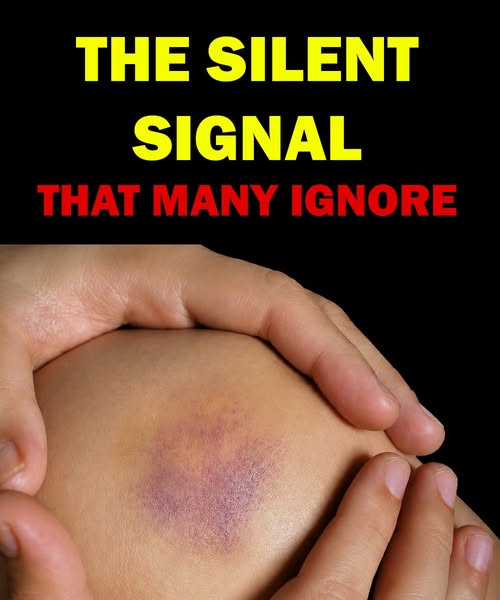
Bruises are a common part of life and usually appear after bumping into something or experiencing a minor injury. Most bruises are harmless and fade on their own within a couple of weeks. However, experts say that frequent, unexplained, or unusually severe bruising can sometimes signal underlying health issues that should not be ignored.
A bruise forms when tiny blood vessels beneath the skin, called capillaries, become damaged and leak blood into surrounding tissue. This trapped blood creates the familiar black, blue, purple, or yellow marks that gradually change color as the body heals.
Why Bruises Change Color
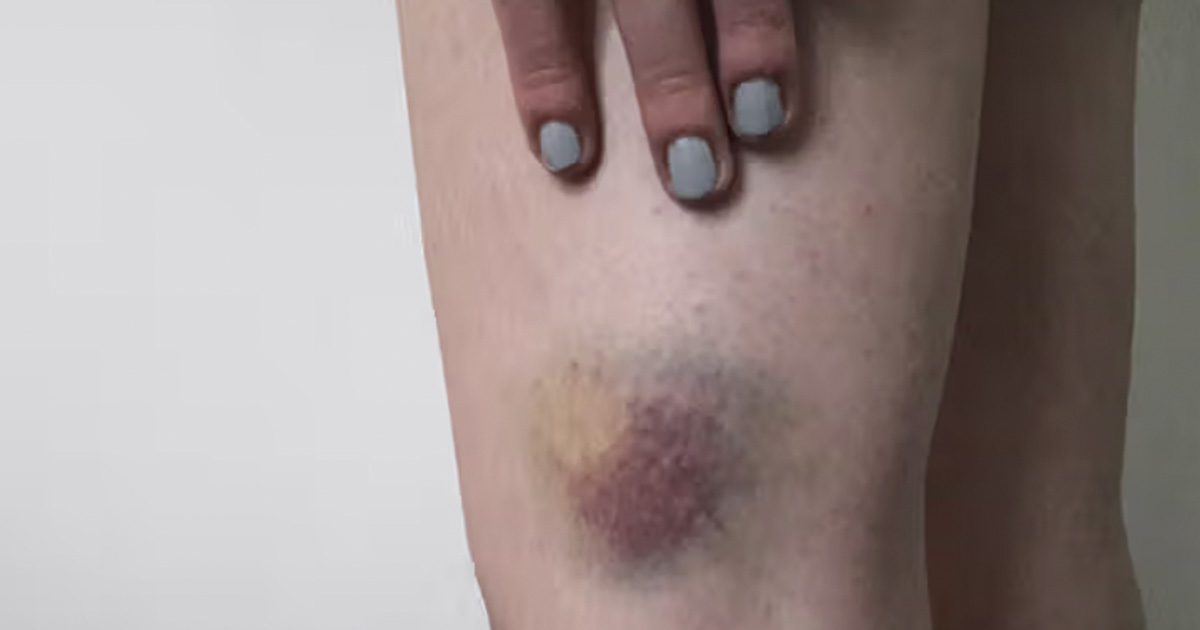
Many people notice that bruises change appearance over time. A fresh bruise often appears reddish because of newly leaked blood beneath the skin. Within a day or two, it may turn dark blue or purple as oxygen levels in the blood decrease. As healing continues, the bruise may become green, yellow, or brown before eventually disappearing completely. These color changes are part of the body’s natural process of breaking down and reabsorbing blood cells.
Common Causes of Bruising
The most common reason for bruising is simple physical trauma. Even minor bumps can cause noticeable bruises, especially in sensitive areas of the body.
Other common causes include:
Sports injuries
Falls or accidents
Intense exercise
Aging skin
Certain medications
Nutritional deficiencies
As people age, the skin becomes thinner and blood vessels become more fragile, making bruises appear more easily. Older adults may sometimes develop bruises after injuries they barely remember.
Medications That Can Increase Bruising
Several medications and supplements may make bruising more likely by affecting blood clotting or weakening blood vessels.
These include:
Aspirin
Blood thinners
Ibuprofen
Corticosteroids
Fish oil supplements
Some antidepressants
People taking these medications may notice larger bruises or bruises that take longer to heal.
Nutrient Deficiencies May Play a Role
Doctors say that low levels of certain vitamins can also contribute to easy bruising. Vitamin C helps maintain healthy blood vessels, while vitamin K plays an important role in blood clotting. Iron deficiency may also weaken the body’s ability to transport oxygen properly and can sometimes contribute to pale skin, fatigue, and increased bruising. A balanced diet rich in fruits, vegetables, lean protein, and healthy fats can help support normal healing and circulation.
When Bruising Could Signal a Health Problem
While most bruises are harmless, unexplained bruising may occasionally point to more serious medical conditions. Experts recommend paying attention if bruises appear frequently without injury or develop in unusual places such as the back, abdomen, or face. Certain blood disorders can interfere with clotting and increase bleeding beneath the skin. Conditions affecting the liver may also reduce the production of proteins needed for normal clotting.
In rare cases, unexplained bruising may be linked to:
Leukemia
Hemophilia
Liver disease
Platelet disorders
Autoimmune conditions
Doctors stress that bruising alone does not automatically mean someone has a serious illness, but repeated unexplained bruises should be evaluated.
Signs You Should See a Doctor
Medical experts recommend seeking professional advice if bruising is accompanied by:
Frequent nosebleeds
Bleeding gums
Severe fatigue
Tiny red or purple spots on the skin
Blood in urine or stool
Very painful swelling
Bruises that do not heal
Large bruises that appear suddenly without injury may also require medical attention.

How to Help Bruises Heal Faster
Most bruises improve naturally within two weeks. Applying a cold compress during the first 24 hours may help reduce swelling and limit bleeding beneath the skin. After the first day, warm compresses may improve circulation and support healing. Doctors also recommend resting injured areas and elevating swollen limbs when possible. Although bruises are usually harmless, the body sometimes uses them as warning signs. Paying attention to unusual bruising patterns may help identify hidden health issues before they become more serious.