
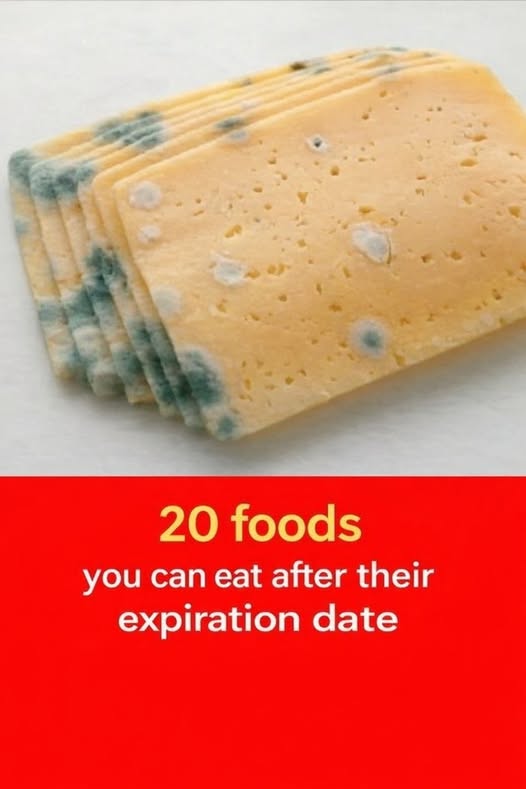
Food “expiry dates” can be confusing. Many people assume that once a date on the packaging passes, the food automatically becomes unsafe. In reality, not all dates mean the same thing, and several common foods are still safe to eat after their label date if they have been stored properly and show no signs of spoilage. It’s important to understand the difference between “use by” and “best before” dates. “Use by” dates relate to safety, especially for perishable foods, while “best before” dates are about quality, meaning the food may lose flavor or texture but is often still safe.
Below are common foods that are frequently still edible after their expiry date when handled correctly.
1. Dry Pasta and Rice
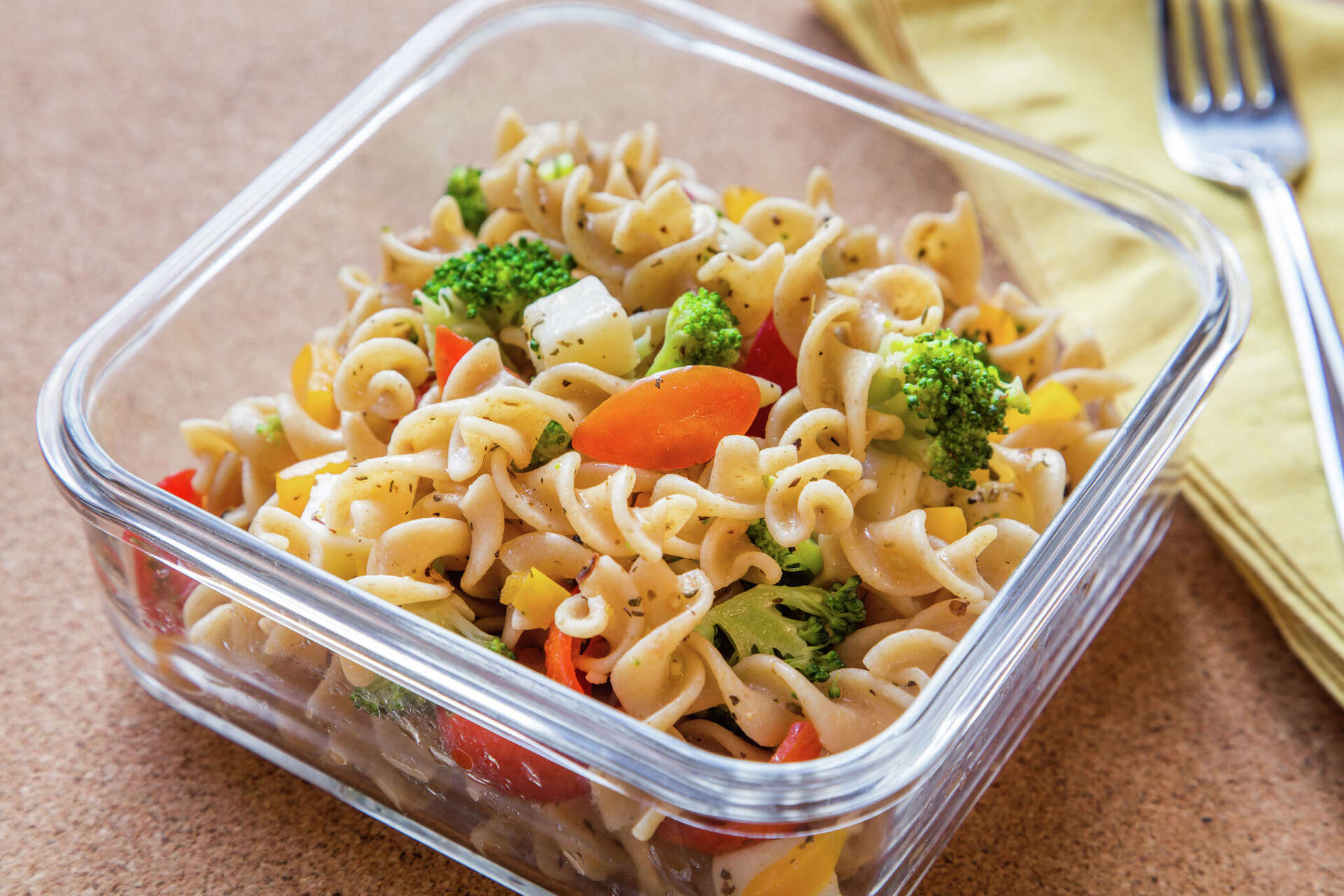
Dry pasta and white rice are among the most stable foods in your kitchen. Because they contain very little moisture, bacteria struggle to grow in them. Even after the “best before” date, they are usually safe for months or even years if kept dry and sealed. The main risk is moisture or pests, not time. However, if you notice a strange smell, discoloration, or insects, it should be discarded.
2. Canned Foods
Canned foods like beans, tuna, soups, and vegetables can often last well beyond their printed date. The canning process seals food in an airtight environment, protecting it from bacteria. Many canned goods remain safe for 1–5 years past their “best before” date. However, you should never eat canned food if the can is swollen, leaking, rusted, or badly dented, as this may indicate dangerous bacterial contamination.
3. Hard Cheese
Hard cheeses like cheddar, parmesan, and gouda can last well beyond their expiration date if stored correctly in the fridge. If mold appears on the surface, you can usually cut off at least 2–3 cm around and below the moldy area and still safely consume the rest. Soft cheeses, however, are different and should be treated more cautiously.
4. Eggs
Eggs often last longer than their printed date if kept refrigerated. A simple way to test freshness is the water test: place an egg in a glass of water. Fresh eggs sink, while older ones float due to air inside the shell. Even slightly older eggs can still be safe for cooking if they pass smell and appearance checks after cracking.
5. Bread
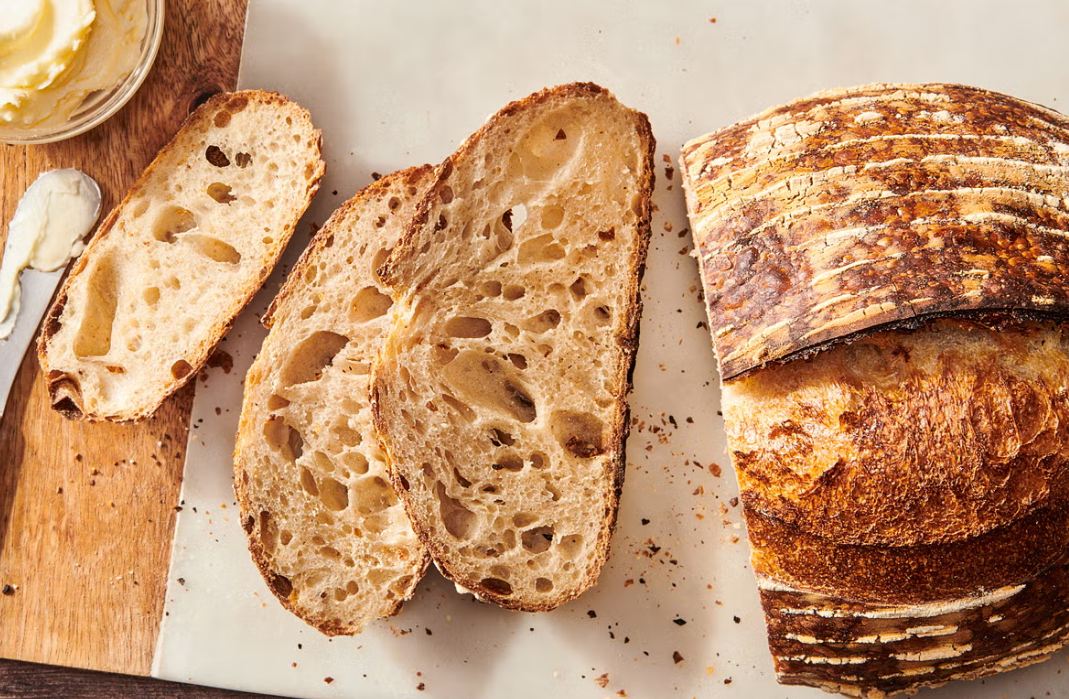
Bread can often be eaten a few days after its “best before” date if it hasn’t developed mold. It may become dry or stale, but this doesn’t mean it’s unsafe. However, if you see any mold, the entire loaf should be thrown away, as mold can spread deeper than what is visible.
6. Yogurt and Fermented Dairy
Yogurt is a fermented product, which means it already contains beneficial bacteria that help preserve it. It can often be eaten a few days to even a couple of weeks after the “best before” date if it has been kept refrigerated. A sour smell, unusual texture, or visible mold means it should be discarded.
Important Safety Reminder
Even though many foods last beyond their expiry dates, you should always check:
Smell (any sour or unusual odor)
Appearance (mold, discoloration, swelling)
Texture (sliminess or unusual softness)
Storage conditions (especially refrigeration)
If anything seems off, it’s safer to throw it away.
Final Thought
Expiry dates are guidelines, not strict deadlines for all foods. Shelf-stable items like rice, pasta, and canned goods often last much longer than expected, while perishable foods require more caution. Understanding the difference helps reduce food waste while still keeping safety a priority.