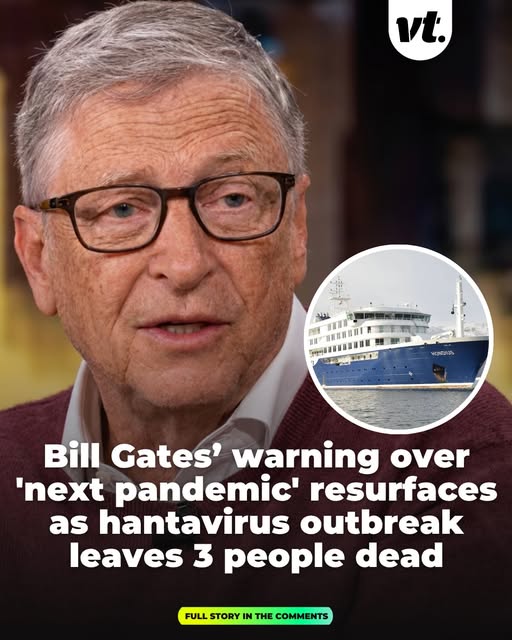
A previous warning from Bill Gates about future pandemics has resurfaced online following a deadly hantavirus outbreak linked to a cruise ship that has already left three people dead.
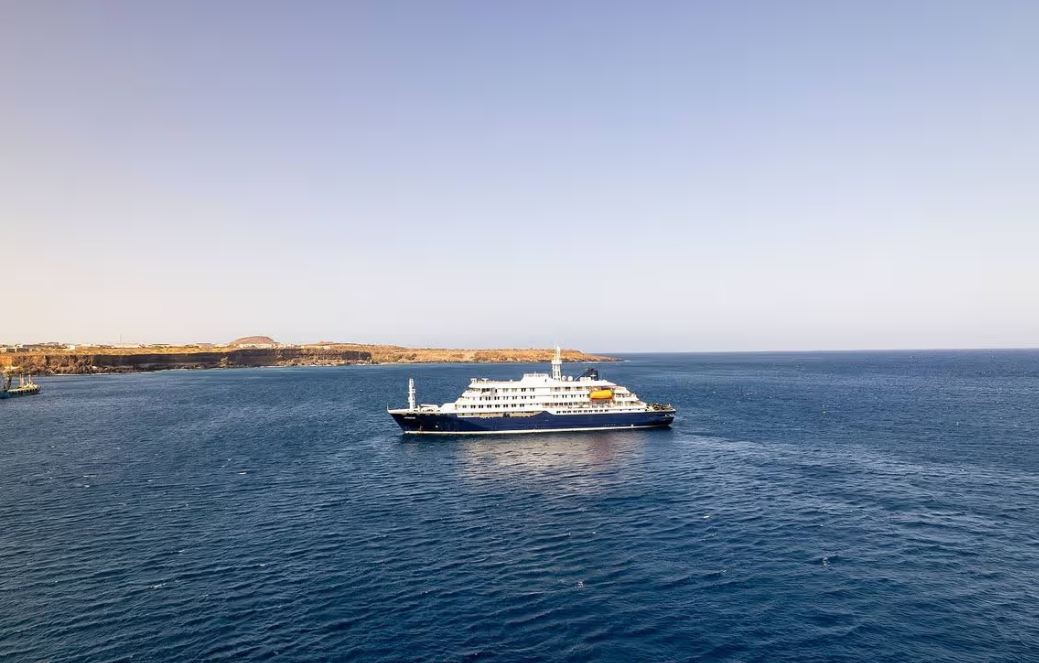
The outbreak, involving the rare Andes strain of hantavirus, has triggered concern after several passengers aboard the Dutch cruise ship MV Hondius became seriously ill. Health officials confirmed multiple infections and several deaths connected to the voyage.
The situation has reignited discussions about global pandemic preparedness, especially after Gates previously warned that another worldwide health crisis could eventually emerge and potentially be even more severe than COVID-19.
What Bill Gates Previously Said
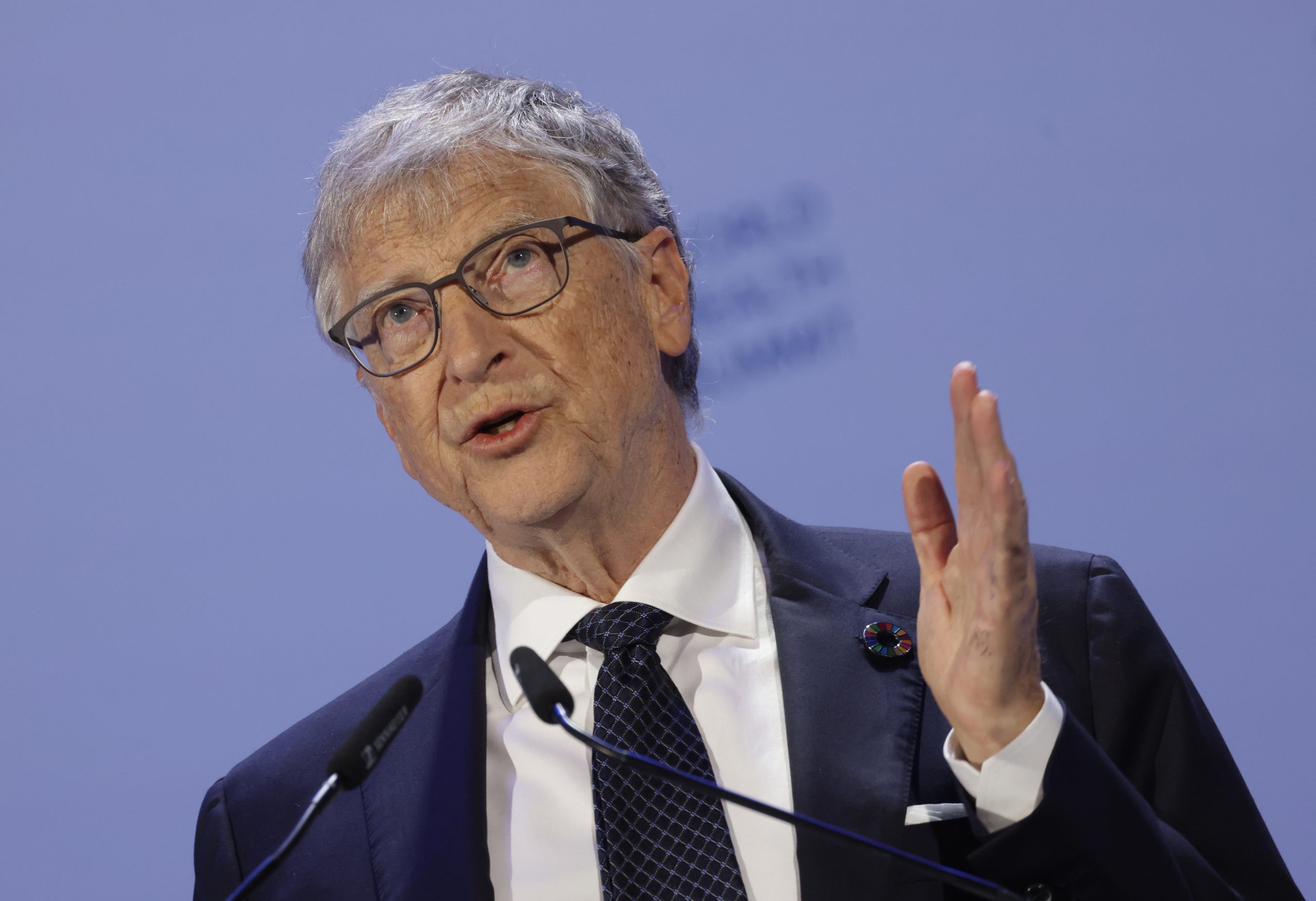
During multiple interviews and public appearances over the past several years, Gates repeatedly warned governments and health organizations that the world needed to prepare for future pandemics.
In a recently resurfaced television interview, Gates stated that COVID-19 would not be “the last pandemic” and warned that the next major outbreak could potentially be “far more severe.”
The billionaire philanthropist has long argued that countries should invest more heavily in disease monitoring systems, rapid vaccine development, and emergency response planning. He also discussed these concerns extensively in his book about preventing future pandemics.
Although Gates was not specifically referring to hantavirus at the time, social media users have connected his comments to the recent outbreak.
What Is Hantavirus?
Hantavirus is a rare but potentially deadly disease usually spread through contact with infected rodents or exposure to contaminated rodent urine, saliva, or droppings.
The virus can cause severe respiratory illness known as hantavirus pulmonary syndrome, which may lead to breathing difficulties, organ failure, and death in serious cases.
Most forms of hantavirus do not spread easily between humans. However, the Andes strain involved in the current outbreak is considered unusual because limited human-to-human transmission has previously been documented.
Health experts stress that such transmission typically requires close and prolonged contact.
The Cruise Ship Outbreak
According to reports, the outbreak began aboard the MV Hondius after passengers participated in a birdwatching trip in South America before boarding the ship.
The vessel later experienced multiple suspected and confirmed cases while traveling internationally. Several passengers reportedly became critically ill, and three people died during the outbreak.
Authorities launched isolation procedures, contact tracing, and emergency medical evacuations as concerns spread among passengers and nearby ports.
The outbreak drew international attention after some regions reportedly resisted allowing the cruise ship to dock due to fears about additional infections spreading.
WHO Says It Is “Not the Next COVID”
Despite growing concern online, the World Health Organization has attempted to reassure the public that the current outbreak does not resemble the beginning of another COVID-style pandemic.
WHO officials emphasized that the Andes virus spreads far less efficiently than COVID-19 and requires much closer contact for transmission. Experts stated that the general public risk currently remains low.
Health officials also noted that hantavirus outbreaks remain relatively rare worldwide.
However, the situation has still raised questions about how quickly infectious diseases can spread internationally through travel and cruise tourism.
Pandemic Fears Continue After COVID-19
The outbreak comes only a few years after the COVID-19 pandemic dramatically changed global health systems and public attitudes toward infectious disease preparedness.
Because of that experience, even relatively contained outbreaks now attract intense public attention online. Social media users quickly began comparing the hantavirus situation to the early days of COVID-19, despite experts warning against exaggeration.
Public health researchers say COVID-19 revealed weaknesses in global preparedness systems, especially regarding early detection and coordinated international responses.
This is one reason why Gates and other health advocates have continued pushing governments to strengthen disease surveillance and emergency response infrastructure.
Why Experts Are Still Monitoring the Situation
Although officials say the current outbreak appears limited, scientists continue monitoring the virus carefully because the Andes strain remains unusual among hantaviruses.
Experts are particularly interested in understanding how transmission occurred aboard the cruise ship and whether additional cases could appear during the incubation period, which may last several weeks.
For now, health authorities continue emphasizing that there is no evidence of a large-scale pandemic threat. Still, the outbreak serves as another reminder that infectious diseases can emerge unexpectedly and spread rapidly in an interconnected world.