Many homeowners look for natural ways to discourage snakes from entering gardens, garages, sheds, or yards especially during warmer months when snakes become more active. One popular idea involves using strong scents that may irritate or overwhelm a snake’s sensitive smell-detection system.
Snakes rely heavily on scent to navigate and detect danger using a specialized organ called the Jacobson’s organ. Because of this, certain strong odors are believed to make areas less appealing to them. However, experts warn that natural repellents are not guaranteed solutions and work best alongside proper yard maintenance and snake prevention strategies.
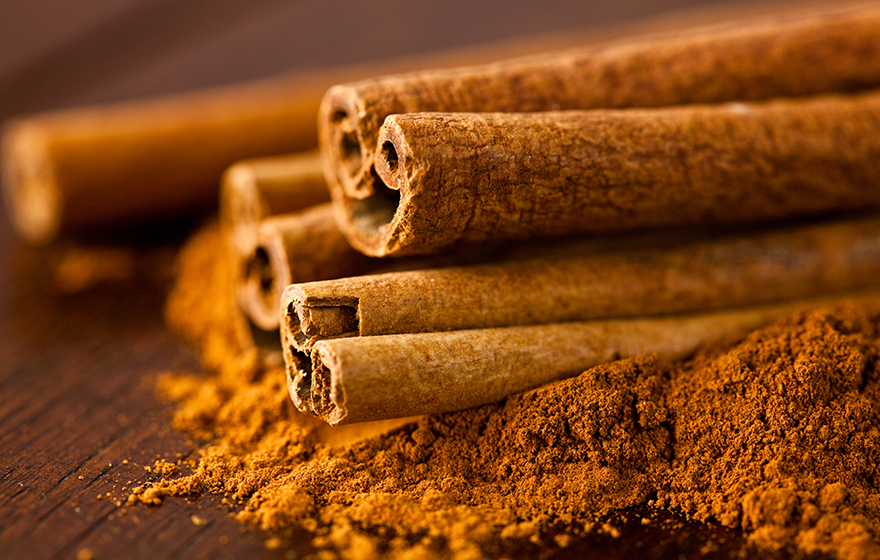
1. Cinnamon Oil
Cinnamon oil is one of the most commonly recommended natural snake repellents. Some studies and pest experts suggest compounds in cinnamon may irritate snakes and encourage them to avoid treated areas. Researchers have found that cinnamon oil caused avoidance behavior in some controlled snake studies, particularly involving invasive brown tree snakes. People often spray diluted cinnamon oil near entry points, patios, garages, or garden borders. However, experts say outdoor effectiveness may fade quickly because rain, wind, and sunlight weaken the scent over time.
2. Clove Oil
Clove oil is another scent frequently linked to snake deterrence. The active compound eugenol has shown irritant effects in some laboratory research involving snakes. Many homemade snake-repellent recipes combine clove and cinnamon oil together because their strong aromas may create a more powerful scent barrier. Some experts consider this combination among the more promising natural options, although evidence remains limited outside controlled settings.
3. Peppermint Oil
Peppermint oil is widely discussed online as a possible snake deterrent because of its intense smell. Some homeowners claim snakes avoid areas treated with peppermint spray. However, scientific evidence supporting peppermint specifically is weaker compared to cinnamon or clove oil. Some experts say there is little reliable research proving peppermint consistently repels snakes outdoors. Online discussions among reptile owners also warn that strong essential oils may irritate pet snakes and reptiles because of their sensitive respiratory systems.
4. Garlic and Onion
Garlic and onions contain sulfur compounds that produce powerful odors. Some pest-control sources claim these smells may irritate snakes and discourage them from lingering nearby. People sometimes plant garlic around gardens or create homemade sprays using garlic-infused water. While anecdotal reports exist, experts say scientific proof remains limited and inconsistent.
5. Vinegar
Vinegar is another household smell often mentioned in natural snake-repellent advice. Some people spray it around pools, sheds, or fences because of its sharp acidic odor. Although vinegar may briefly irritate snakes in direct contact, researchers say evidence for long-term outdoor effectiveness is weak. Still, many homeowners continue using vinegar because it is inexpensive and easy to apply.
6. Cedarwood and Rosemary
Certain woody and herbal scents — including cedarwood and rosemary — have shown promise in some laboratory testing. Researchers studying essential oils found both triggered strong escape reactions in certain snake species. Because of this, cedar mulch, cedar oil, and rosemary-based sprays are sometimes marketed as natural snake deterrents. However, experts stress that laboratory reactions do not always translate into reliable outdoor protection.
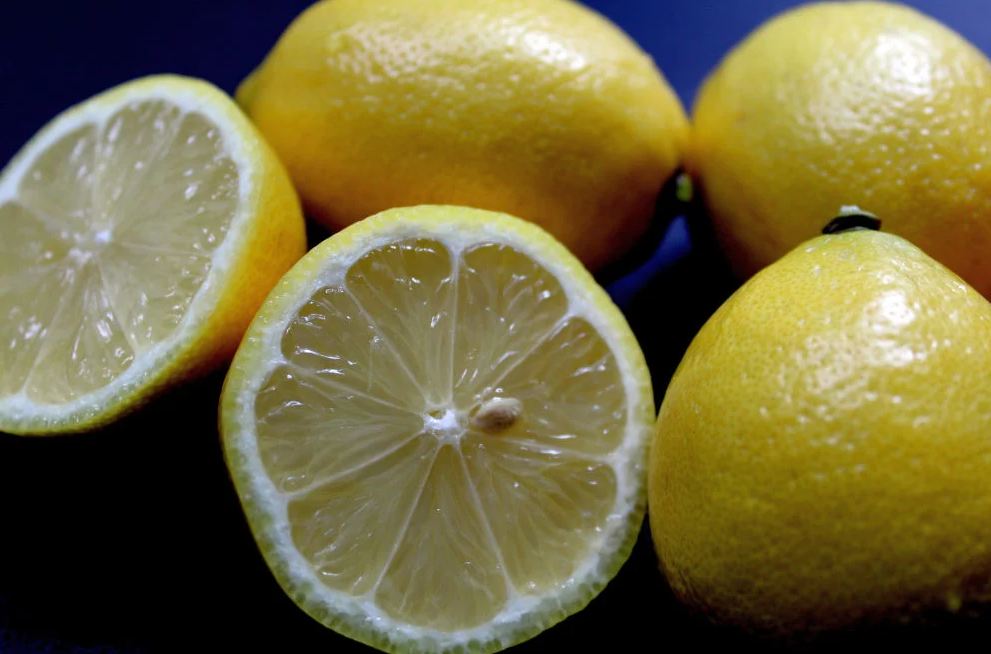
7. Citrus Scents
Lemons, oranges, and other citrus fruits contain limonene, a compound believed by some experts to irritate snakes. Citrus peels or sprays are occasionally used around gardens and patios as mild deterrents. Although citrus may contribute to an unpleasant environment for some snakes, there is little strong scientific evidence proving it works consistently in real-world situations.
What Experts Say Actually Matters Most
While natural scents may provide temporary deterrence, many snake experts say environmental control is far more important. Snakes are usually attracted by food, water, shelter, and hiding places. Removing piles of wood, tall grass, clutter, standing water, and rodent populations often has a much bigger effect than sprays or scents alone. Professional wildlife experts also recommend sealing cracks around homes, keeping yards clean, and trimming vegetation to reduce places where snakes can hide.
Important Safety Warning
Experts warn against using toxic chemicals like mothballs or bleach as snake repellents. These substances can harm pets, children, wildlife, and the environment while offering little proven protection against snakes. If someone encounters a venomous snake near their home, wildlife professionals recommend contacting trained animal control or snake-removal specialists instead of attempting to handle the animal personally. In the end, natural scents like cinnamon, clove, peppermint, garlic, and cedarwood may help create an environment snakes dislike, but most experts agree they should be viewed as supplemental measures rather than guaranteed snake-proof solutions.