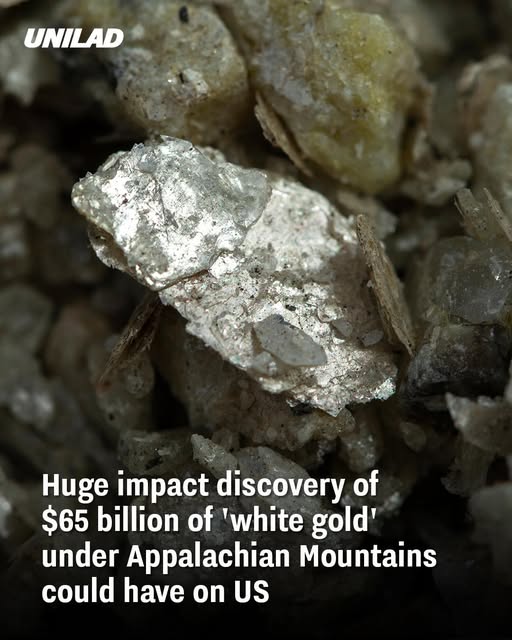
A major scientific discovery beneath the Appalachian Mountains is making headlines around the world, as researchers reveal vast reserves of lithium often referred to as “white gold” hidden deep within the region. This finding could significantly reshape the future of energy, technology, and global supply chains.
What Was Discovered
Scientists from the United States Geological Survey estimate that the Appalachian region contains around 2.3 million metric tons of lithium oxide, a key material used in lithium-ion batteries.
This amount is enormous. Experts suggest it could replace up to 328 years of U.S. lithium imports at current consumption levels, making it one of the most strategically important mineral discoveries in recent years.
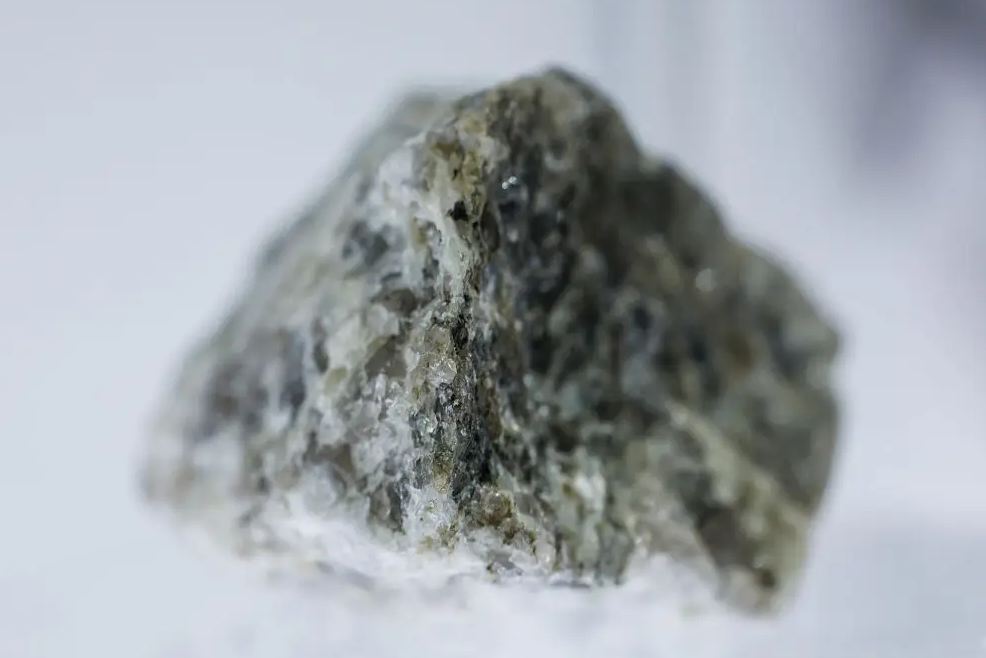
The lithium is spread across a wide area, including parts of North Carolina, Maine, and New Hampshire, embedded in ancient rock formations known as pegmatites.

Why Lithium Matters So Much
Lithium is essential to modern life. It powers everything from smartphones and laptops to electric vehicles and renewable energy storage systems. As the world shifts toward cleaner energy, demand for lithium has skyrocketed.
Currently, the United States relies heavily on imports, with more than half of its lithium supply coming from abroad.
Much of the global supply chain is dominated by countries like Australia and China, making domestic sources highly valuable for economic and national security reasons.
A Potential Energy Game-Changer
The scale of the Appalachian lithium deposit is difficult to overstate. According to estimates, it could produce enough material for:
- 130 million electric vehicles
- 1.6 million large-scale energy storage systems
- Billions of consumer electronics devices
This means the discovery could play a key role in accelerating the transition to renewable energy and reducing dependence on fossil fuels.
How It Formed
The lithium deposits date back over 250 million years, formed during the creation of the supercontinent Pangaea. Intense heat and pressure caused deep rocks to melt, creating lithium-rich magma that eventually cooled into mineral-rich formations.
These geological processes turned the Appalachian region into a hidden treasure trove of valuable minerals—only now being fully understood thanks to modern research methods.
Challenges Ahead
Despite the excitement, experts caution that this discovery is just the beginning. Identifying lithium resources is one thing—extracting them is another.
Mining projects require years of planning, environmental approvals, infrastructure development, and significant investment. Additionally, processing lithium into usable battery material presents further challenges.
In other words, while the potential is enormous, it may take time before these resources translate into real-world production.
A Strategic Shift for the U.S.
If successfully developed, the Appalachian lithium reserves could dramatically reduce U.S. reliance on foreign imports and strengthen its position in the global battery market.
At a time when demand for electric vehicles and renewable energy storage is rapidly growing, having a domestic supply of lithium could provide both economic and geopolitical advantages.
Conclusion
The discovery of vast lithium reserves beneath the Appalachian Mountains has sparked excitement for good reason. Often called “white gold,” lithium is at the heart of the modern energy transition, and this finding could help power the future for generations.
However, turning this geological potential into practical reality will require time, investment, and careful planning. For now, it stands as a powerful reminder that some of the world’s most valuable resources may still lie hidden beneath our feet.