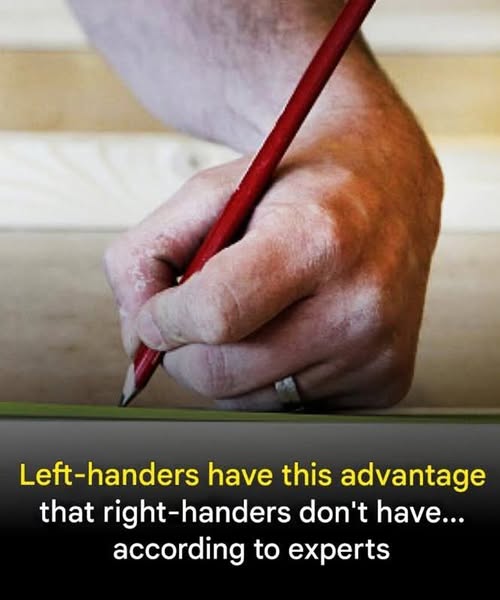
Left-handed people make up only about 10% of the global population, which already makes them stand out. But beyond rarity, research suggests there are a few interesting differences though not all of them are as dramatic as viral articles often claim.
1. A Slightly Different Brain Connection
One of the most interesting differences is how the brain works. Studies show that in left-handed people, the two hemispheres of the brain may communicate more closely, especially in areas linked to language. This doesn’t mean they are smarter, but it can lead to different ways of processing information, problem-solving, and thinking.

2. Unique Cognitive Style
Research suggests left-handers may approach tasks differently due to how their brain is organized. Their thinking patterns can vary slightly, leading to alternative perspectives or problem-solving approaches. However, it’s important to be realistic—this doesn’t automatically mean they are more creative or intelligent. Many older claims about “lefties being more creative” are still debated and not consistently proven.
3. A Competitive Edge
One of the strongest modern findings is linked to competitiveness. Studies indicate that left-handed people may show higher levels of competitiveness, especially in one-on-one situations. This is often explained by what scientists call the “fighting hypothesis.” Because left-handers are rare, opponents are less used to facing them, which can give them an advantage in sports like boxing, tennis, or fencing.
4. Advantage in Certain Sports
Because most people are right-handed, athletes train primarily against right-handed opponents. This makes left-handers less predictable and harder to counter, giving them a real-world advantage in competitive sports. That’s why you often see a higher-than-expected number of left-handed athletes at elite levels.
5. Greater Adaptability
Living in a world designed for right-handed people forces left-handers to adapt constantly. From scissors to desks and tools, many everyday items are not built for them. As a result, lefties may develop better adaptability and flexibility in how they perform tasks—simply because they have to adjust more often.
6. Rarity Itself Is an Advantage
Being uncommon can be an advantage in itself. Evolutionary theories suggest left-handedness persists because it offers benefits in individual competition, even if right-handedness is better for group coordination.
In simple terms: being different can sometimes work in your favor.
7. Myths vs Reality
It’s important to separate fact from exaggeration. Some popular claims—like left-handed people having better memory, higher intelligence, or guaranteed creativity—are not strongly supported by evidence. Science shows differences exist, but they are usually subtle rather than dramatic.
The Bottom Line
Left-handed people don’t necessarily have “superpowers,” but they do have unique traits shaped by brain structure, rarity, and life experience.
Their advantages tend to show up most in:
- Competitive situations
- Adaptability
- Slightly different cognitive processing
In the end, being left- or right-handed doesn’t determine success—but it can shape how someone interacts with the world in interesting and sometimes surprising ways.
Conclusion
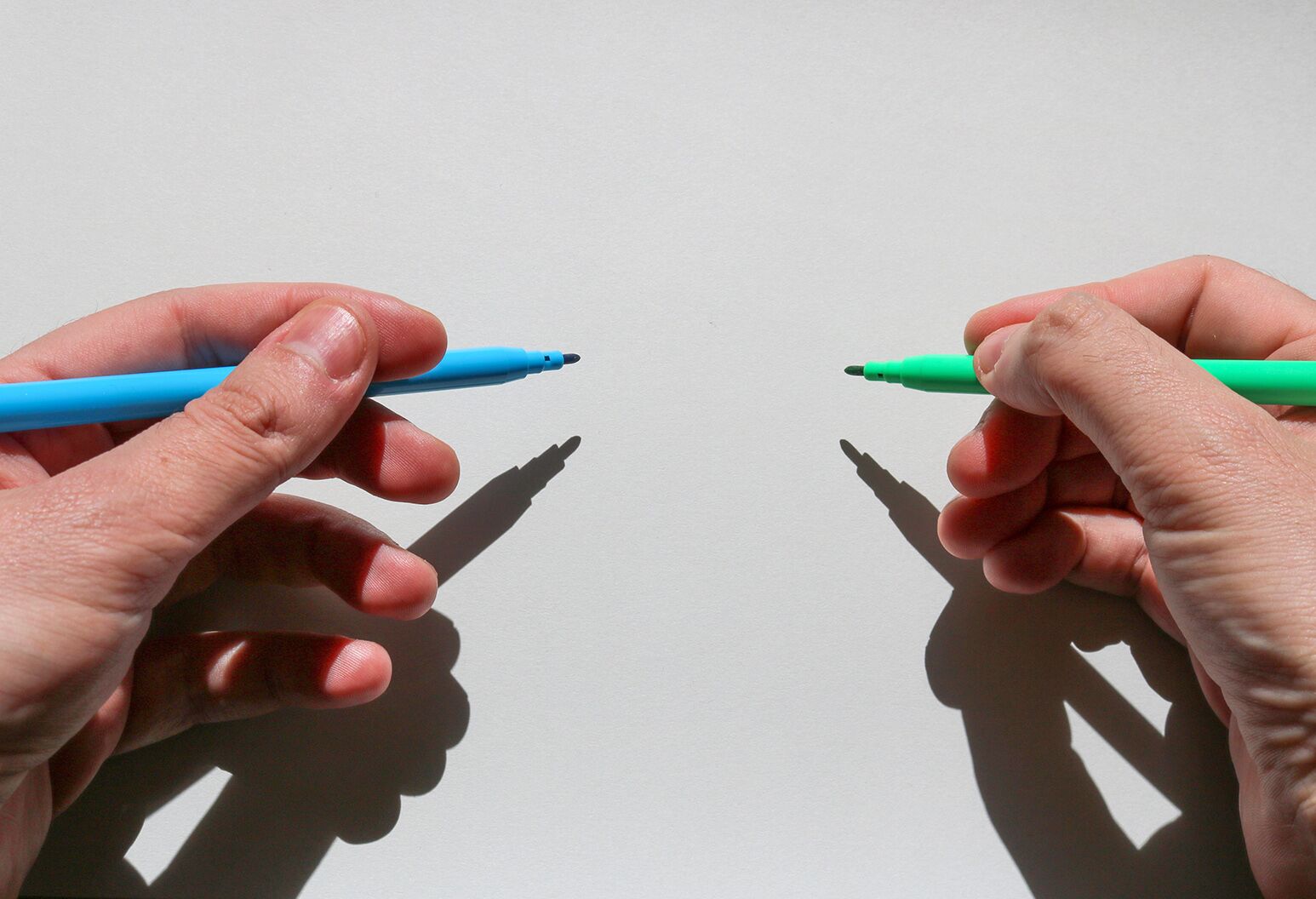
Left-handed people may not possess extraordinary abilities, but they do stand out in subtle and meaningful ways. Differences in brain connectivity, problem-solving approaches, and adaptability can shape how they experience and interact with the world. Their rarity can also provide unique advantages, especially in competitive environments where unpredictability plays a role.
At the same time, it’s important to separate fact from myth. Not every claim about left-handed individuals—such as higher intelligence or guaranteed creativity—is backed by strong scientific evidence. Most differences are nuanced rather than dramatic.
Ultimately, being left-handed is simply one of many natural variations in human biology. It doesn’t define a person’s potential, but it can influence how they think, learn, and adapt. What truly matters is how individuals use their strengths, regardless of which hand they favor.