
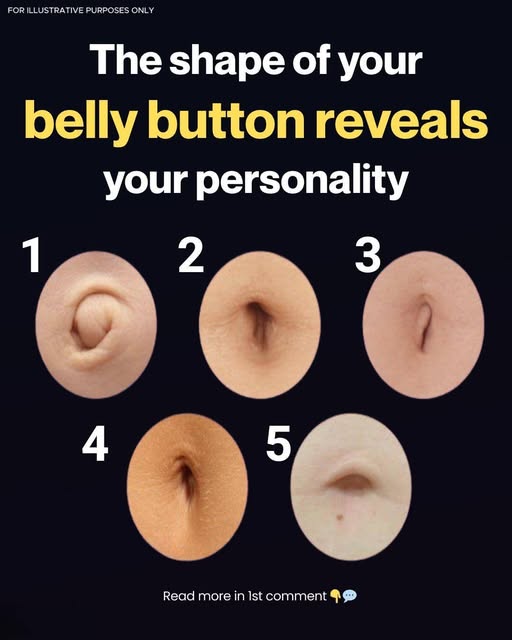
Articles claiming that your belly button shape can reveal personality traits or hidden truths about your body are popular online, but medical science tells a very different story. Your navel is simply a scar left from the umbilical cord after birth, and its shape varies widely from person to person with no proven link to personality, destiny, or health traits. Despite this, myths about belly buttons continue to circulate, often suggesting that they can reflect emotional characteristics or even life outcomes. Here’s what science actually says.
What Your Belly Button Actually Is
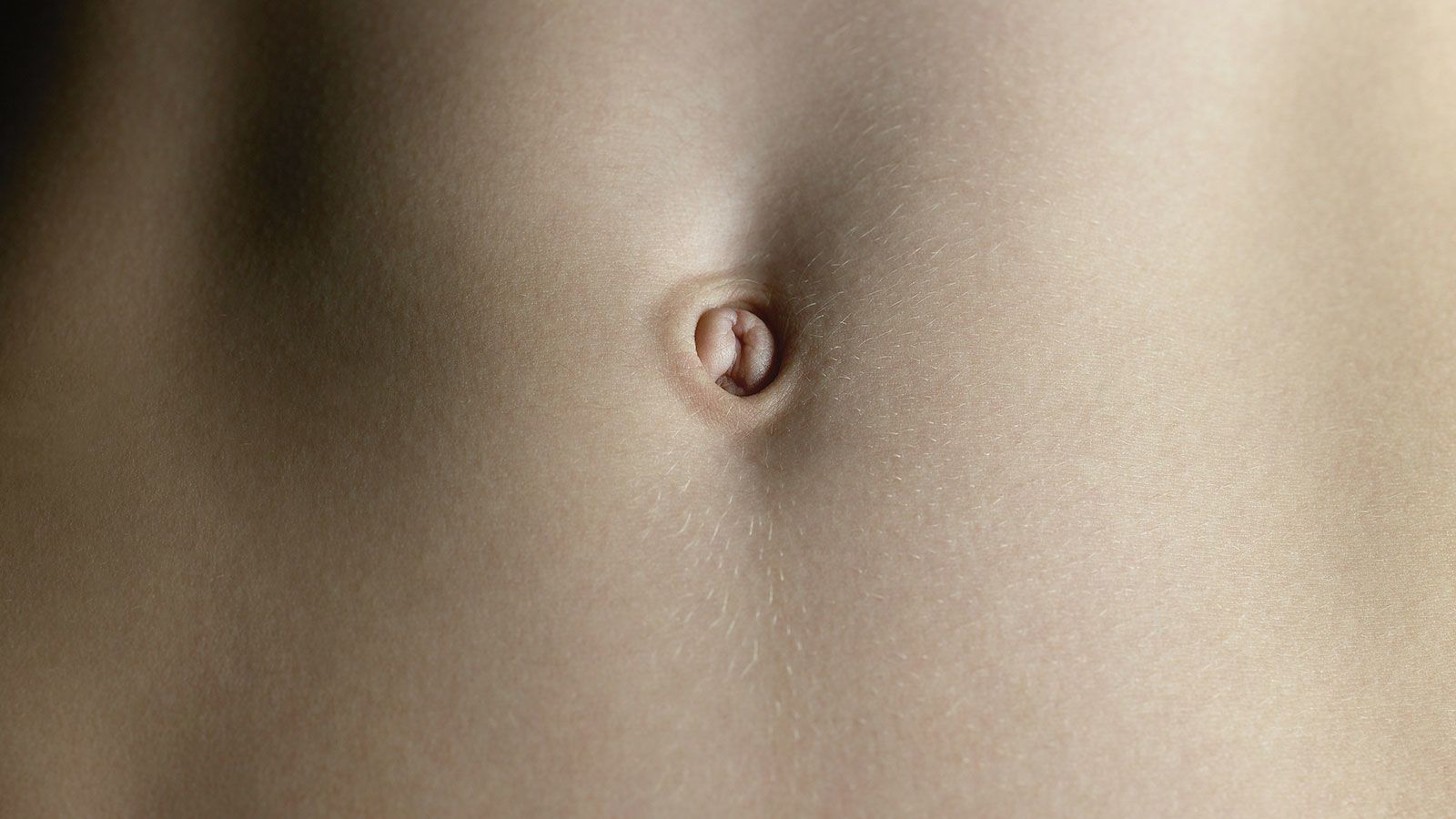
Your belly button (or navel) is formed after the umbilical cord is cut at birth. Once the cord is no longer needed, it dries up and falls off, leaving behind a small scar. The final appearance of the navel varies naturally. Some people have “innie” shapes, others have “outies,” and many fall somewhere in between. These differences are influenced by healing, skin structure, and in some cases conditions like small hernias in infancy — not personality or character.

Where the “Personality Myth” Comes From
Internet content often tries to connect body features to personality traits because it is simple, entertaining, and easy to share. For example, some viral claims suggest that:
Deep navels mean someone is “generous”
Outies suggest “confidence” or “strong character”
Small navels indicate “cautious behavior”
However, there is no scientific evidence supporting any connection between navel shape and personality traits. These ideas are modern myths rather than medical facts. Even entertainment media has played a role in spreading this idea, turning harmless body features into “personality tests” for engagement and clicks.
What Actually Affects Navel Shape
Instead of personality, belly button shape is influenced by physical and biological factors, including:
How the umbilical cord healed after birth
Genetics and skin structure
Abdominal muscle tone
Body weight changes over time
Rare conditions like umbilical hernias
These are all normal anatomical or developmental factors. In fact, even within the same family, belly button shapes can look completely different.
Why People Still Believe It
Humans are naturally drawn to patterns and symbolism. It feels appealing to believe that physical traits reflect deeper meanings about identity or behavior. That’s why myths about palm lines, zodiac signs, and even belly buttons continue to spread. Social media also amplifies these ideas because they are engaging, even if they are not scientifically valid. In reality, dermatologists and medical experts consistently confirm that the navel has no psychological or predictive function.
The Medical Perspective
From a medical standpoint, the belly button is simply a leftover scar with no functional role in personality, mood, or health prediction. It is mainly used as an anatomical reference point by doctors during physical examinations. Doctors may observe it for signs of infection, hernia, or skin conditions — but not for personality assessment or behavioral analysis.
Conclusion
The shape of your belly button might be unique, but it doesn’t reveal anything about who you are as a person. It is a normal result of human development, not a reflection of character, emotions, or destiny. While it can be fun to read about “navel personality tests,” they belong firmly in the world of entertainment,not science. Your belly button tells a story about your birth — nothing more, and nothing less.