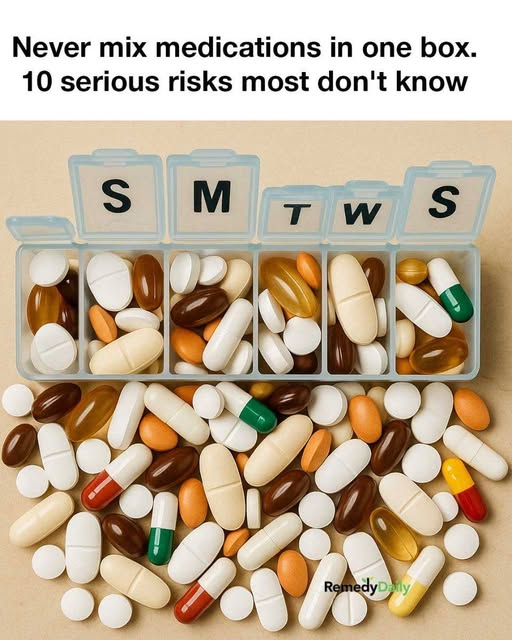
Keeping medications organized is important, especially if you take several pills each day. Many people use pill boxes to stay on schedule and avoid missing doses. However, one common mistake can create serious problems: mixing different medicines together in the same compartment or container without their original packaging. While it may seem convenient, combining medications in one box can lead to confusion, reduced effectiveness, and even dangerous health risks.
It Increases the Risk of Taking the Wrong Medication
One of the biggest dangers of mixing medicines in a single box is confusion. Pills often look similar in size, shape, or color, especially when they are removed from their original containers. If multiple medications are stored together, it becomes much easier to grab the wrong one or take the wrong dose. This is especially risky for older adults, caregivers, or anyone managing several prescriptions. A simple mix-up can lead to missed treatment, accidental double dosing, or taking a medicine at the wrong time of day. In some cases, that mistake can cause serious side effects or even require emergency medical care.

Original Packaging Contains Important Safety Information
Prescription bottles and medicine packaging are designed for a reason. They include important details such as the drug name, strength, expiration date, instructions, and warnings. Once pills are mixed into one box, that information is no longer easy to see. If a reaction occurs or a doctor needs to know exactly what you took, it may become difficult to identify which medicine is which. This can delay treatment and create unnecessary stress. Keeping medicines in their labeled containers helps protect you and makes it easier for healthcare professionals to help in an emergency.
Some Medicines Can Be Damaged by Light, Air, or Moisture
Not all medications are meant to be stored outside their original containers. Many bottles are specially designed to protect pills from humidity, sunlight, and air exposure. When medicines are transferred into a basic pill organizer or mixed into one box, they may lose that protection. Bathrooms and kitchens are especially poor places to store medication because they often become warm and humid. Over time, exposure to moisture or heat can weaken certain pills, causing them to become less effective. That means you may think you are taking your medicine properly when, in reality, it may not be working as it should.
Mixing Medicines Can Lead to Dangerous Drug Errors
When medications are mixed together, it becomes harder to separate them safely. Some pills can crumble, leave residue, or break apart when stored next to others. That can make identification even more difficult. If one tablet breaks and mixes with another, you may not know what you are actually taking. This becomes even more dangerous with medicines that must be taken carefully, such as blood pressure pills, diabetes medications, heart drugs, painkillers, or blood thinners. Even a small mistake with these types of medicines can have serious consequences.

Safer Ways to Organize Your Medication
If you want to stay organized, use a weekly pill organizer with separate labeled compartments, but only fill it carefully and according to your doctor or pharmacist’s instructions. Do not combine loose random pills in one section. It is also a good idea to keep the original bottles nearby in case you need to double-check names or doses. In the end, mixing medicine in one box may seem like a simple shortcut, but it can create major safety risks. Keeping medications properly labeled, separated, and stored the right way is one of the easiest ways to protect your health and avoid dangerous mistakes.