A proposal connected to Donald Trump has sparked widespread discussion after he suggested that many Americans could receive direct payments of around $2,000 funded by tariff revenue. The idea has generated excitement online, but financial experts say there is one simple step people should take now in case such payments ever become reality.
What the $2,000 Plan Is About
Trump has repeatedly floated the idea of sending “tariff dividend” checks to Americans using money collected from tariffs on imported goods. In social media posts and interviews, he suggested that the government could distribute at least $2,000 per person, particularly to lower- and middle-income households. The proposal is based on the claim that tariffs could generate enough revenue to return some money directly to citizens. Trump has said the payments would come from the “trillions” generated through these tariffs and could function like a national dividend. However, economists and policy experts point out that the payments are not guaranteed. Any such program would likely require approval from the U.S. Congress and a detailed plan for how the funds would be distributed.
The One Thing People Should Do Right Now
Experts say that if the government ever issues direct payments like this, the most important step is to make sure your tax information and bank details are up to date with the IRS.
In the United States, government stimulus or refund payments are usually sent through:
- Direct deposit using IRS records, or
- Physical checks mailed to the address on file.
If a person’s address, bank account, or tax filing information is outdated, it can delay receiving any payment. Keeping tax records current helps ensure that any future refunds or government checks reach the right place quickly.
Why Experts Urge Caution
Even though the idea of $2,000 checks has gained attention online, experts warn that people should be careful about scams. Some emails and advertisements have already appeared claiming people must “sign up” or click links to receive the supposed payments. Financial analysts say that is a red flag. Historically, when the U.S. government issues stimulus checks or refunds, people do not need to apply through third-party websites. The money is typically distributed automatically based on tax records. This means anyone asking for personal information or fees to “secure” the payment is likely running a scam.
When Could Payments Happen?
Trump has suggested that such payments might arrive sometime in the future, possibly toward the end of a fiscal year if the plan is approved. But officials have acknowledged that the idea still depends on legislation and final policy details. Because of these uncertainties, analysts say Americans should treat the proposal as a political idea rather than a confirmed policy at this stage.
The Bottom Line
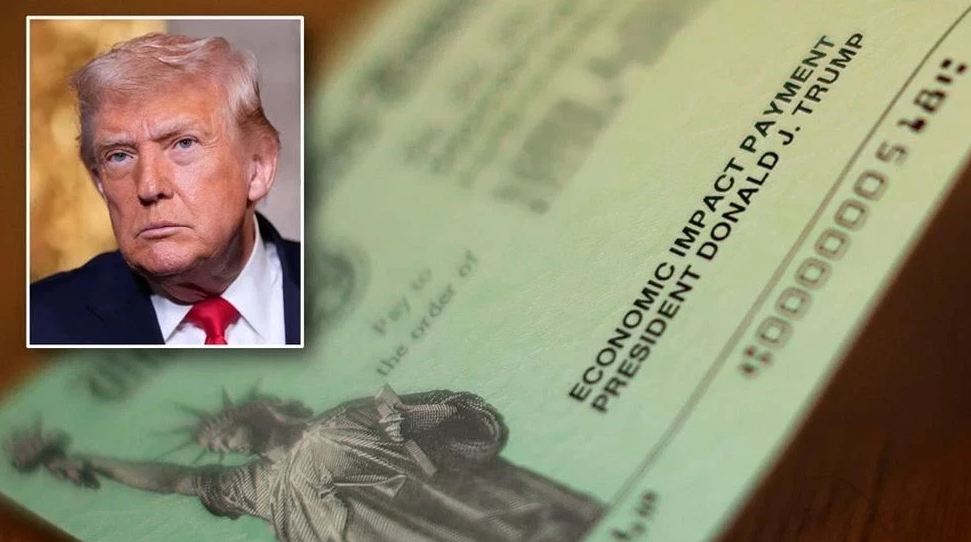
The proposed $2,000 payments tied to tariff revenue have sparked interest across the country, but they remain uncertain and would require political approval before becoming reality. For now, experts say the smartest move is simple: keep your tax records and bank information updated and be cautious of anyone claiming you must register or pay to receive the money. If the payments are ever approved, those steps will help ensure the funds arrive without unnecessary delays.