
As investigators continue the search for Nancy Guthrie, the 84-year-old mother of Today show co-host Savannah Guthrie who went missing from her Tucson, Arizona home in early February, they have turned to an unlikely tool in the hopes of locating her: her pacemaker. While the device was not designed with satellite tracking or GPS, experts say its built-in technology may offer clues in the ongoing search.
Modern Pacemakers and Bluetooth Technology
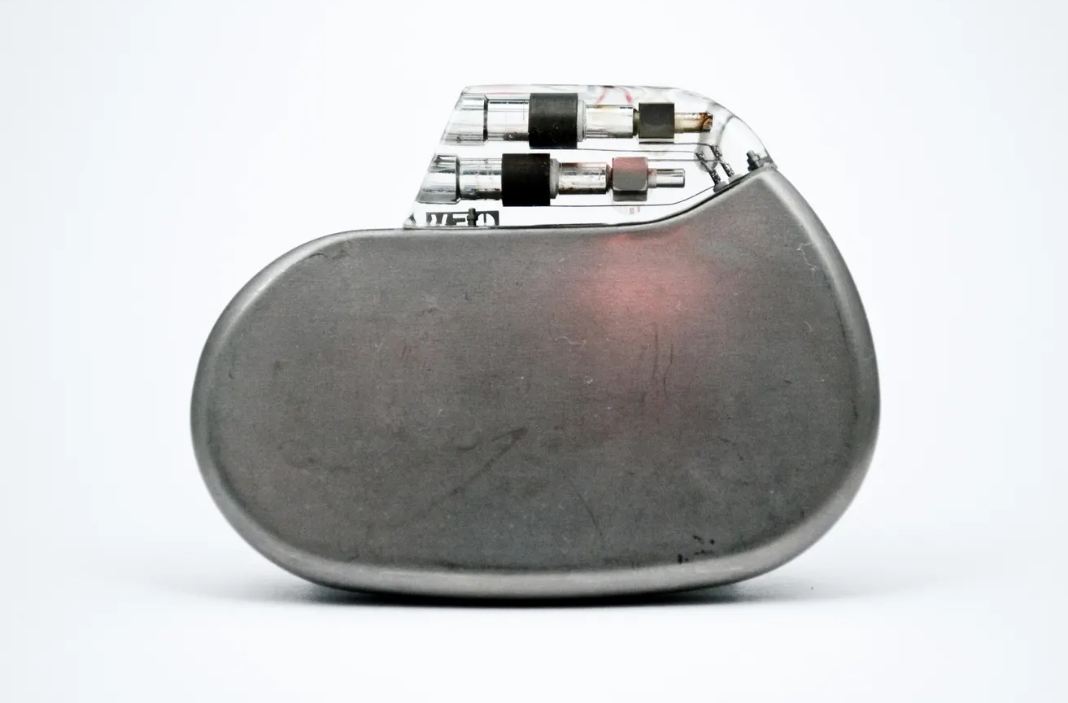
Most modern pacemakers are equipped with Bluetooth Low Energy (BLE) technology. This allows the device to connect wirelessly to a paired smartphone or other external device to send data about heart rhythm and device performance to the patient’s medical provider. However, unlike consumer devices such as Apple AirTags or GPS-enabled smartphones, a pacemaker’s Bluetooth signal is limited in range and not intended as a location tracker. Experts explain that the pacemaker periodically attempts to transmit data to the paired phone, which stores and relays the information to a clinic or doctor’s office. Even if the phone is no longer nearby, the implanted device continues functioning on its own — it can’t send data over the internet or communicate directly with satellites.

What Happened With Guthrie’s Device
In Nancy Guthrie’s case, law enforcement has noted that her pacemaker disconnected from her phone’s app on February 1, roughly the same night a masked figure was captured on her doorbell camera. The separation of the device from the phone provided a timestamp of when she and her phone likely became separated, offering investigators a key chronological clue. While this doesn’t give a GPS location, it does help narrow the timeline of her disappearance and suggests when the search perimeter should start from. Tracking that moment becomes especially valuable because the pacemaker continues to emit Bluetooth signals even after separation from the phone.
“Signal Sniffer” Technology and Search Efforts
To make use of the pacemaker’s wireless transmissions, authorities have deployed specialized equipment known as signal sniffers. These devices are designed to detect Bluetooth signals in the environment, even if they are weaker and much shorter in range than GPS signals. They can be mounted on helicopters, drones or ground vehicles and used to sweep large search areas for Bluetooth emissions matching the unique identifier of Guthrie’s device. The tool works by filtering for Bluetooth Low Energy signatures and amplifying them to improve the chance of detection, though success still depends on proximity — often within dozens of feet rather than miles. The former NSA cybersecurity expert behind some of these tools says triangulating a device that emits only intermittent low-power signals is challenging but not impossible with enough coverage and patience.
Limitations and Why It’s Not a GPS Chip
Despite this innovative use of technology, law enforcement and medical experts emphasize that a pacemaker cannot function like a GPS tracker. It does not have access to satellite positioning, nor does it actively send location data to a remote server. The Bluetooth connectivity exists solely for medical monitoring purposes, and its signal requires specialized scanning equipment to detect reliably. Put simply, the pacemaker does not broadcast “Here I am” in the way a GPS device would. Instead, such attempts to detect its Bluetooth emissions offer only a possible hint of presence if searchers are already close enough to pick up the transmission.
Why Investigators Are Trying This
Given the absence of other confirmed clues and the urgency created by Guthrie’s frail health and medical needs, investigators say every available lead must be explored. The pacemaker offers one more piece of data that might help narrow the search area — even if it won’t unequivocally pinpoint her location like a GPS chip would. Authorities warn that detecting a Bluetooth signal from such a device is technically difficult and requires careful coordination, but they remain hopeful that, combined with other investigative efforts, it could contribute to finding Guthrie.