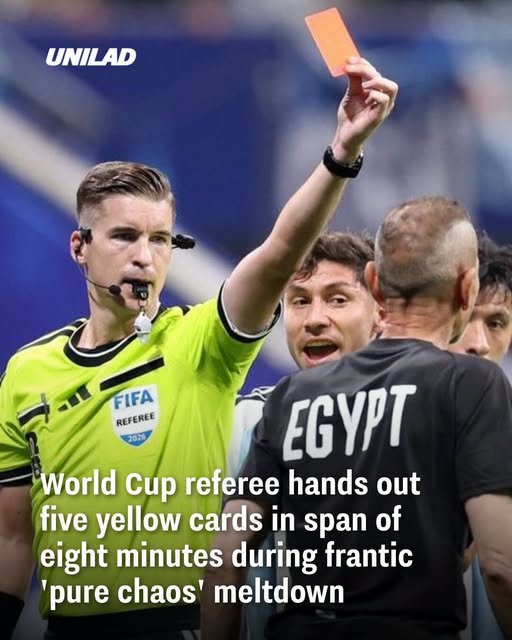
The knockout stage of the FIFA World Cup has already delivered unforgettable moments, but one of the tournament’s most dramatic endings came during a fiercely contested match that descended into chaos in the closing minutes. As emotions reached a boiling point, the referee was forced to take firm action, issuing five yellow cards in just eight minutes as players and coaching staff struggled to keep their composure.
The match had already been filled with tension thanks to controversial decisions, late goals, and repeated stoppages. By the final whistle, football fans around the world were talking as much about the officiating as they were about the result itself. The extraordinary finish highlighted how quickly high-pressure matches can spiral when every decision carries enormous significance.
Pressure Mounts as the Stakes Rise
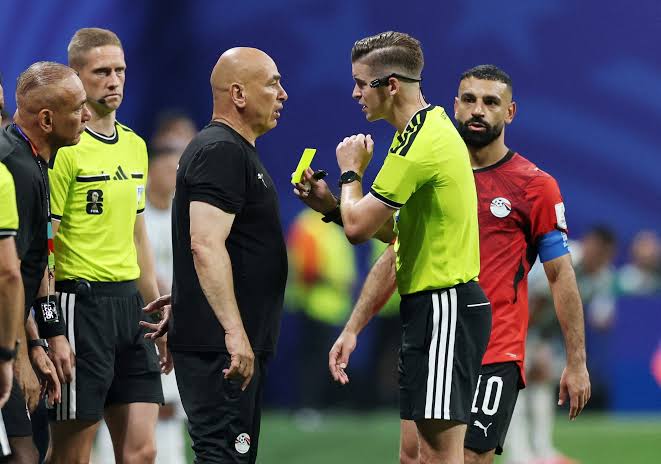
World Cup knockout matches leave little room for error. A single mistake can end a nation’s hopes of lifting football’s biggest trophy, making every challenge, foul, and referee’s whistle feel increasingly important. As the clock ticked down, frustration began to spread across the pitch. Players disputed decisions, coaching staff protested from the technical area, and several confrontations delayed the restart of play. The official attempted to restore order by repeatedly reaching for the yellow card, warning those whose behavior crossed the line. Rather than calming the situation immediately, the disciplinary action reflected just how heated the contest had become. Every stoppage seemed to increase the tension among both teams as the final minutes unfolded.
Why Referees Use Yellow Cards
A yellow card serves as an official warning for unsporting behavior, persistent fouling, delaying the restart of play, dissent toward officials, or other actions that violate the Laws of the Game. Referees often use cautions not only to punish misconduct but also to prevent matches from becoming even more aggressive. In emotionally charged contests, officials sometimes issue several bookings in quick succession if multiple players continue arguing or committing reckless challenges. The goal is to regain control before situations escalate into violent conduct or mass confrontations. Tournament regulations also add extra importance to yellow cards, since repeated cautions can lead to suspensions in later rounds. Players therefore must balance their emotions carefully during crucial matches.
Debate Over the Official’s Performance
Following the final whistle, supporters were divided over whether the referee had handled the match correctly. Some praised the official for taking decisive action to prevent the situation from deteriorating further. Others believed earlier interventions or different decisions could have reduced the level of frustration before tempers exploded. Modern football places referees under intense scrutiny. Every important call is examined from multiple camera angles, while social media allows millions of supporters to share opinions within seconds of the match ending. Even with the assistance of Video Assistant Referee (VAR), controversial moments continue to generate passionate debate among fans, players, and analysts.
A Memorable End to a High-Stakes Match
Although the final score ultimately determined which team advanced, the closing minutes became one of the tournament’s defining talking points. The rapid succession of yellow cards illustrated just how emotionally demanding World Cup football can be, especially when players believe every decision may shape their nation’s future in the competition. The incident also served as a reminder that referees face enormous pressure while attempting to enforce the rules fairly in front of millions of viewers. Whether fans agreed with every decision or not, the dramatic conclusion demonstrated the fine line officials must walk between allowing physical competition and maintaining control. As the tournament progresses, players, coaches, and referees alike will hope future knockout matches are remembered more for outstanding football than for disciplinary drama. Yet moments like this remain part of what makes the World Cup one of the most unpredictable and emotionally charged sporting events in the world.