On August 12, 2026, skywatchers across large parts of the Northern Hemisphere will have the opportunity to witness a remarkable solar eclipse. The event will be total along a narrow path stretching across Greenland, Iceland and Spain, with a small part of Portugal also included. A much wider region, including much of Europe, will experience a partial eclipse.
Solar eclipses are among the most spectacular natural events visible from Earth, but enjoying one safely requires some preparation. Looking directly at the Sun during the partial stages can cause serious and potentially permanent damage to the eyes. NASA emphasizes that special solar viewing protection is essential whenever any visible portion of the Sun remains uncovered.
Why Looking at the Sun Is Dangerous
During an eclipse, the Moon blocks some or all of the Sun from view. This can make people feel that the sunlight is weaker and therefore safer to observe. However, even when most of the Sun is covered, the remaining bright portion can still expose the eyes to intense radiation. The danger is particularly concerning because the retina does not have pain receptors. A person may not immediately realize that damage has occurred. For this reason, staring at an eclipse without appropriate protection should never be treated as harmless. Ordinary sunglasses are not sufficient. Even very dark sunglasses do not filter sunlight to the level required for safe eclipse viewing.
Use Proper Eclipse Glasses
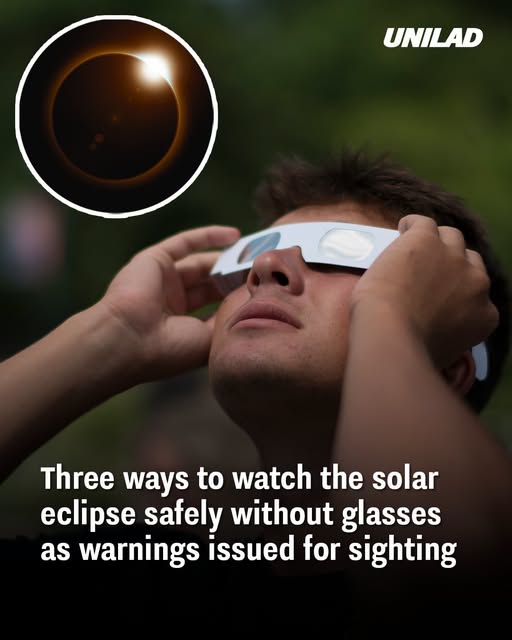
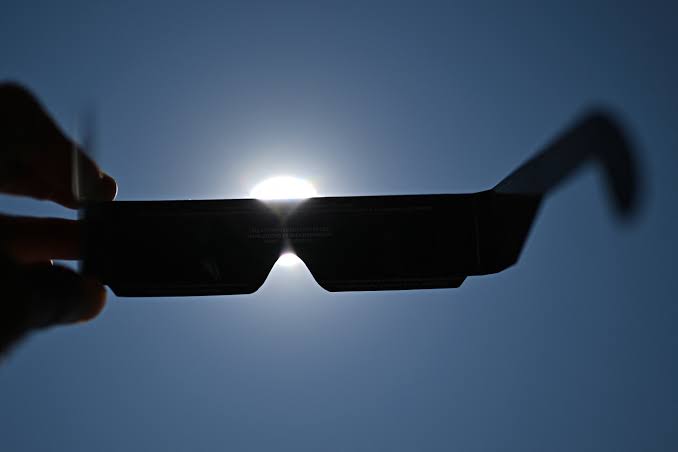
The safest option for directly watching the partial phases is to use specially designed eclipse glasses or a handheld solar viewer. These products are intended to block the dangerous levels of visible and invisible solar radiation that can reach the eyes. Before using eclipse glasses, viewers should inspect them carefully. If the lenses are scratched, torn, punctured or otherwise damaged, they should not be used. Children should also be supervised while viewing the eclipse. If you normally wear prescription glasses, you can keep them on and place the eclipse glasses over them.
Three Simple Indirect Methods
For people who do not have suitable eclipse glasses, there are ways to observe the eclipse without looking directly at the Sun. One method is a simple pinhole projector. A small hole in a piece of card can project an image of the partially eclipsed Sun onto another surface. A cereal box can also be turned into a basic homemade viewer. Another surprisingly easy method involves using a kitchen colander. When sunlight passes through its small holes, multiple images of the eclipsed Sun can appear on the ground or another surface. These methods allow viewers to experience the changing shape of the Sun while keeping their eyes safely away from direct sunlight.
Be Careful With Cameras and Telescopes
Extra caution is necessary when using cameras, binoculars or telescopes. Looking at the Sun through an optical device without a specifically designed solar filter can cause severe eye injury because the equipment concentrates sunlight. Eclipse glasses should not simply be placed over the eyes while looking through an unfiltered camera, telescope or binoculars. Such devices require appropriate solar filters securely attached to the front of the equipment.
The Moment of Totality
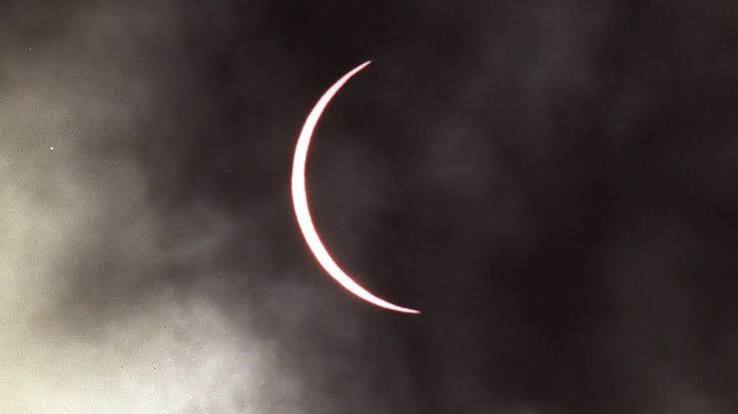
There is one important exception. During the brief period of totality, when the Moon completely covers the Sun’s bright surface, observers within the path of totality can look at the eclipse without filters. However, protection must be put back on before the bright Sun begins to reappear. The August 12 eclipse offers an extraordinary opportunity to witness the Moon pass directly between Earth and the Sun. With the right precautions, viewers can enjoy the spectacle safely and remember it for years to come.Three ways to watch the solar eclipse safely without glasses as warnings issued for sighting