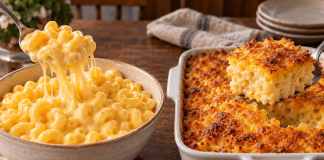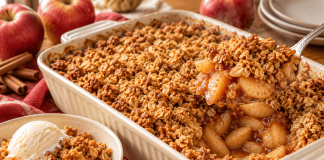

One of the most well-known traditions associated with death row is the final meal. For decades, condemned prisoners in many parts of the United States have been offered the opportunity to choose a special meal before their execution. The custom has fascinated the public for years, with some inmates requesting simple comfort foods while others have asked for extravagant feasts.
The tradition is intended to provide a small measure of dignity and humanity during a prisoner’s final hours. Requests have ranged from burgers and fries to steak dinners, seafood platters, and even unusual single-item meals that carried personal significance. While many people assume inmates can request absolutely anything they want, that is not the case. Most prison systems impose strict limitations on what can be ordered.
The One Item Commonly Prohibited
In many jurisdictions, alcohol is not permitted as part of a death row inmate’s final meal. Regardless of the prisoner’s request, alcoholic beverages are generally prohibited due to prison regulations and security policies. Tobacco products are also commonly restricted. Although prisons may allow inmates to select favorite foods, officials usually require that requests remain reasonable, available locally, and compliant with institutional rules. Items that could create safety concerns or violate prison policies are typically denied. As a result, even prisoners facing execution cannot request a final glass of wine, beer, whiskey, or other alcoholic drink in many prison systems.
Why Restrictions Exist
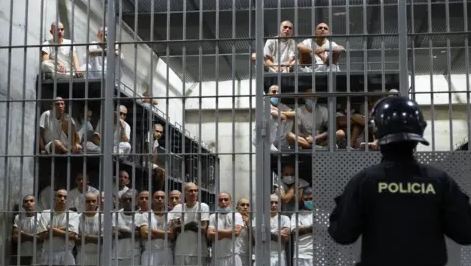
Correctional authorities argue that the final meal is intended as a symbolic gesture rather than an unlimited privilege. The purpose is to provide comfort and allow a prisoner to enjoy a favorite meal, not to suspend prison rules entirely. Security concerns also play a role. Officials seek to maintain order and consistency within correctional facilities, particularly during the highly sensitive period leading up to an execution. Allowing prohibited substances could create legal, logistical, or safety complications. In some states, additional restrictions limit meal costs, preparation methods, and portion sizes. If a requested item is unavailable, prison staff may substitute a similar alternative or deny the request altogether.
The Texas Rule Change That Made Headlines
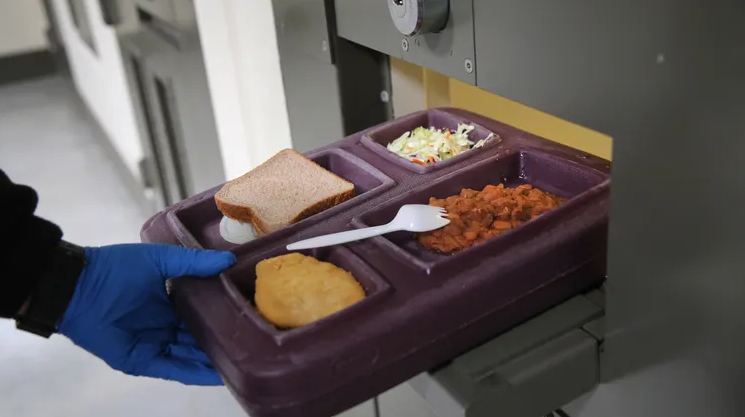
The most dramatic change to final meal traditions occurred in Texas in 2011. For many years, Texas allowed death row inmates to choose virtually any reasonable meal before execution. That policy ended after the case of white supremacist murderer Lawrence Russell Brewer. Brewer submitted an enormous request that included chicken-fried steaks, a bacon cheeseburger, fajitas, barbecue, pizza, fried okra, ice cream, peanut butter fudge, and multiple soft drinks. Prison officials fulfilled the request, but Brewer ultimately refused to eat any of it, reportedly saying he was not hungry. The incident generated widespread criticism and prompted Texas officials to abolish special last meal requests entirely. Since then, condemned inmates in Texas have generally been served the same food available to other prisoners rather than receiving a customized final meal.
Some of the Most Unusual Requests
Over the years, final meal requests have offered a glimpse into the personalities and emotions of condemned prisoners. Some have chosen lavish meals packed with comfort foods, while others have requested surprisingly modest dishes. One of the most famous examples involved an inmate who requested only a single olive before his execution. The unusual choice sparked years of speculation about its symbolic meaning. Other prisoners have declined special meals entirely, opting instead for standard prison food or no food at all. There have also been cases where unusual requests were denied because they fell outside prison guidelines. One Texas inmate reportedly requested dirt for a ritual connected to his spiritual beliefs, a request officials refused because it was not considered food.
A Ritual That Continues To Fascinate
Although policies differ from state to state, the tradition of the final meal remains one of the most widely discussed aspects of capital punishment. For some, it represents a final act of compassion. For others, it is a symbolic ritual that highlights the complex moral questions surrounding the death penalty. What remains consistent across most prison systems is that even in a prisoner’s final hours, certain rules still apply. Among the most common restrictions is the prohibition on alcohol, ensuring that even the last meal remains subject to the regulations governing life behind prison walls.