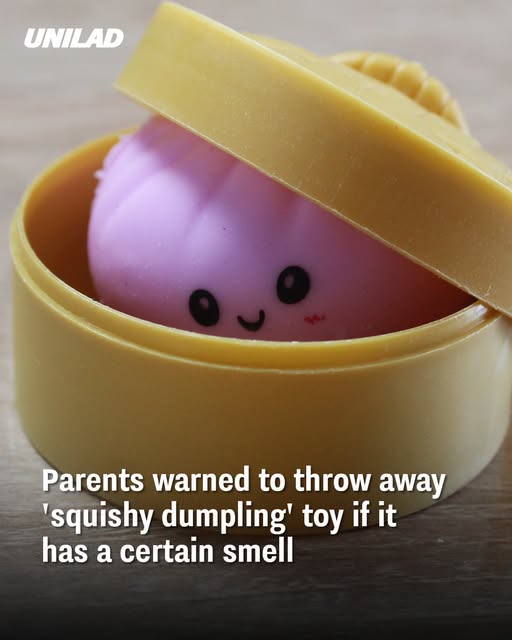
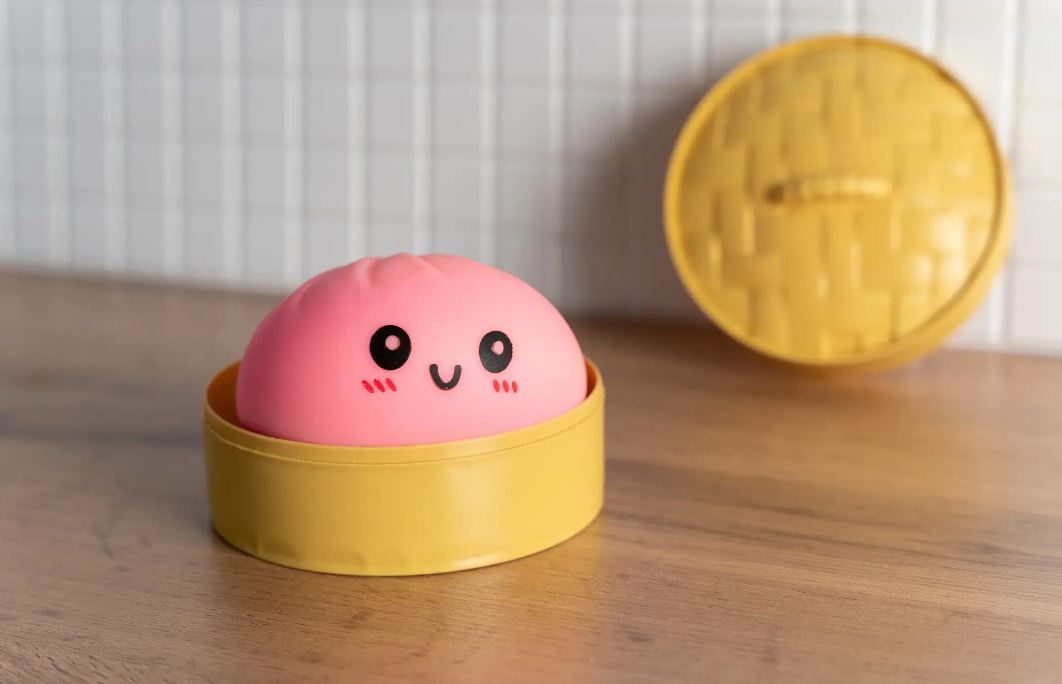
A toy craze that has swept across social media is now drawing serious safety concerns from consumer protection officials and health experts. The products, commonly known as “Squishy Dumplings,” have become extremely popular among children due to their soft texture, collectible designs, and viral presence on platforms such as TikTok.
However, authorities in several parts of the United Kingdom are warning parents to exercise caution after investigations uncovered potentially dangerous counterfeit versions of the toys. Officials say some products have been found to contain harmful chemicals and may pose health risks to children. The warnings have prompted increased scrutiny of the rapidly growing market for squishy sensory toys, particularly those sold through unofficial retailers or online marketplaces.
The Warning Signs Parents Should Know
One of the biggest red flags identified by Trading Standards officers is a strong chemical odor coming from the toy. Several councils have advised parents that a powerful smell similar to petrol, paint, or industrial chemicals may indicate the presence of hazardous substances.
Officials have also warned consumers to be cautious of toys that:
Lack CE or UKCA safety markings.
Do not include manufacturer information.
Have missing safety instructions.
Leak liquid or gel contents.
Appear unusually cheap compared to genuine products.
Experts say that while legitimate products are generally tested to meet safety standards, counterfeit versions may bypass regulations entirely.
Dangerous Chemicals Discovered
Testing conducted by local authorities reportedly found potentially hazardous chemicals in some counterfeit toys. Investigators identified substances including benzene, styrene, ethylbenzene, and various volatile organic compounds (VOCs), which can be released into the air when the toys are squeezed or damaged. Particular concern has focused on benzene, a chemical that health authorities classify as carcinogenic. In one recalled product, officials found benzene levels significantly above the legal limit permitted in consumer goods. As a result, consumers were advised to stop using the toys immediately and return them to retailers. Experts explain that prolonged exposure to high concentrations of such chemicals may cause irritation to the eyes, skin, nose, and respiratory system.
Reports of Children Becoming Ill
Concerns intensified after several families reported adverse reactions linked to the toys. In some cases, children experienced skin rashes, swelling, breathing difficulties, or allergic reactions after handling suspected counterfeit products. One reported incident involved a young girl who developed facial swelling and a severe rash after playing with a squishy toy. She was taken to hospital for treatment and later recovered. Her family subsequently warned other parents about the potential risks associated with counterfeit versions. Authorities stress that these incidents appear to be associated primarily with unregulated or fake products rather than verified versions sold through reputable retailers.
Social Media Trends Add More Risk
Officials are also concerned about online videos encouraging children to microwave squishy toys. Safety experts warn that heating the products can cause them to burst, releasing extremely hot gel and potentially causing serious burns. In one widely reported case, an 11-year-old girl suffered severe facial burns after a squishy toy exploded while being heated. The incident prompted renewed calls for parents to monitor online challenges involving children’s toys. Consumer protection agencies emphasize that these products should never be heated, punctured, or intentionally damaged.
How Parents Can Protect Their Children
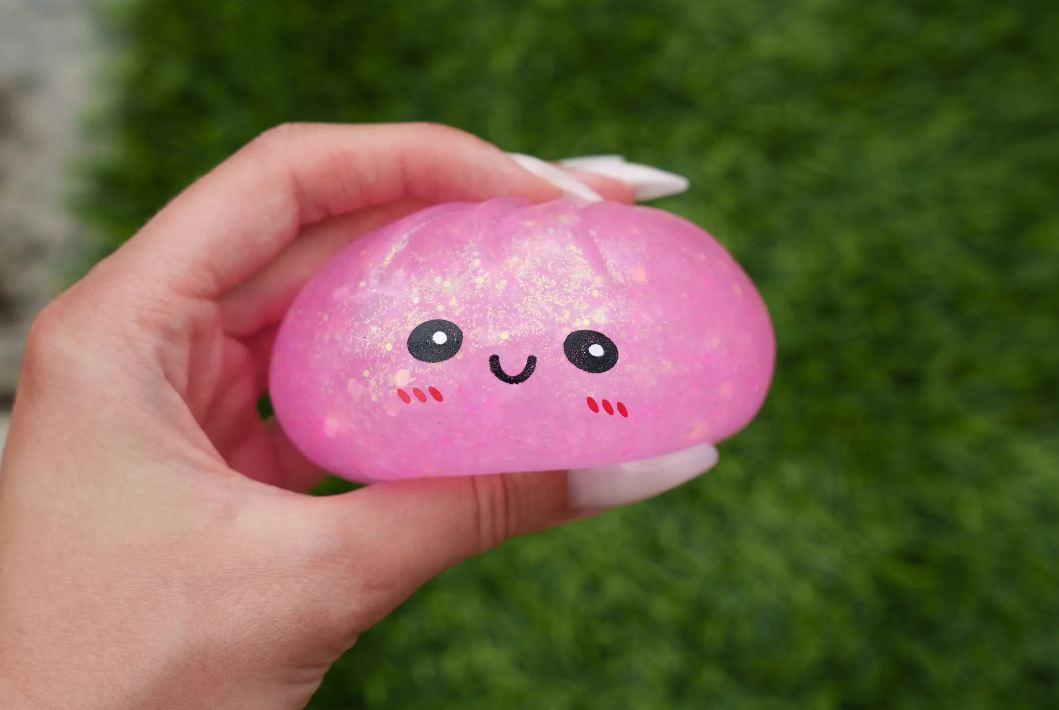
Experts recommend purchasing toys only from trusted retailers and checking packaging carefully before buying. Parents should look for proper safety certifications, manufacturer information, and clear usage instructions. Any toy emitting a strong chemical smell should be removed from use immediately. Officials also advise regularly inspecting squishy toys for tears, leaks, or damage and disposing of any product that appears compromised. Supervision is particularly important for younger children who may place toys in their mouths or accidentally puncture them during play. While the toy trend remains hugely popular, safety authorities say awareness is the best defense. By recognizing warning signs and choosing properly certified products, parents can help ensure that a harmless-looking toy does not become a health hazard.