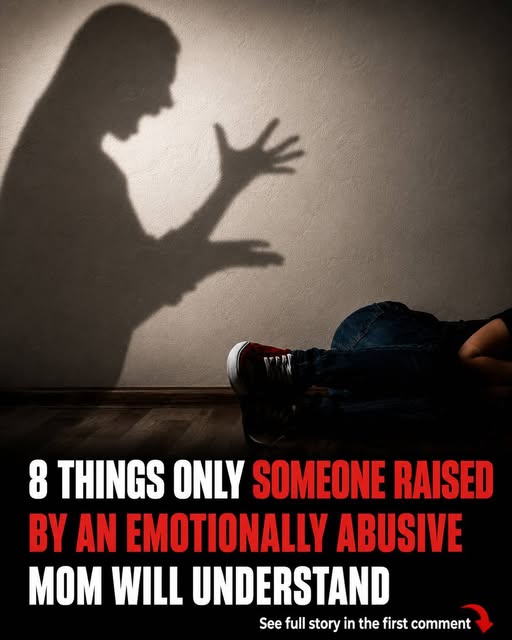
Emotional abuse is often difficult to recognize because it leaves no visible scars. Unlike physical abuse, it hides behind words, tone, control, and constant criticism. For many adults who grew up in such environments, the effects only become clear years later, when patterns of anxiety, low self-esteem, or emotional confusion begin to surface.
One of the most commonly discussed forms of emotional abuse is when it comes from a parent, particularly a mother, during childhood. While not every strict or demanding parent is abusive, emotionally abusive behavior involves consistent patterns of belittling, manipulation, or invalidation that affect a child’s sense of self-worth and emotional development.
Constant Criticism and Never Feeling “Good Enough”
Children raised in emotionally abusive environments often describe a persistent feeling that nothing they do is ever enough. Achievements may be ignored or minimized, while mistakes are magnified and repeatedly brought up. Over time, this creates a deep internal belief that approval must be earned and is rarely guaranteed. Even in adulthood, this can translate into perfectionism, fear of failure, and difficulty accepting praise. Psychologists note that chronic criticism in childhood can significantly impact self-esteem and contribute to long-term emotional insecurity.

Conditional Love and Emotional Uncertainty
Another common pattern is conditional affection. In healthy relationships, love and support remain consistent even during conflict. In emotionally abusive dynamics, however, warmth and approval may come and go depending on the child’s behavior.
This inconsistency creates emotional instability. A child learns to constantly adjust their behavior in order to avoid rejection or emotional withdrawal. As adults, this can lead to people-pleasing tendencies and difficulty setting boundaries in relationships.
Emotional Manipulation and Role Reversal
In some cases, children become emotionally responsible for the parent’s feelings. Instead of receiving comfort and guidance, they may be expected to manage the parent’s mood, reduce conflict, or provide emotional support beyond their developmental capacity. This role reversal is harmful because it forces a child into an adult emotional role too early. As a result, they may grow up feeling responsible for other people’s emotions while neglecting their own needs.
Dismissing or Invalidating Emotions
Emotionally abusive environments often involve the dismissal of a child’s feelings. Expressions of sadness, fear, or frustration may be labeled as “overreacting,” “too sensitive,” or “dramatic.” When emotions are consistently invalidated, children learn to suppress how they feel. This emotional suppression can later contribute to difficulties identifying emotions, trusting one’s own judgment, and expressing needs in relationships.
Long-Term Effects in Adulthood
The impact of emotional abuse does not disappear with age. Many adults who experienced it in childhood report ongoing challenges such as:
Low self-esteem
Chronic self-doubt
Anxiety and emotional sensitivity
Fear of rejection or failure
Difficulty trusting others
People-pleasing behavior
These patterns are not personality flaws but learned survival responses developed in childhood environments where emotional safety was inconsistent or absent.
Understanding the Difference Between Discipline and Abuse
It is important to distinguish between strict parenting and emotional abuse. Healthy discipline includes boundaries, guidance, and correction without attacking a child’s sense of worth. Emotional abuse, on the other hand, repeatedly undermines a child’s identity, emotions, and self-esteem. Recognizing this difference can help adults reframe their experiences and begin the process of emotional healing.
Healing and Rebuilding Emotional Safety
Recovery from emotional abuse is possible, but it often takes time and self-awareness. Many people benefit from therapy, supportive relationships, and learning to identify healthy emotional boundaries.
Key steps in healing often include:
Recognizing and validating past experiences
Rebuilding self-esteem through self-compassion
Learning to set and maintain boundaries
Reconnecting with personal emotions and needs
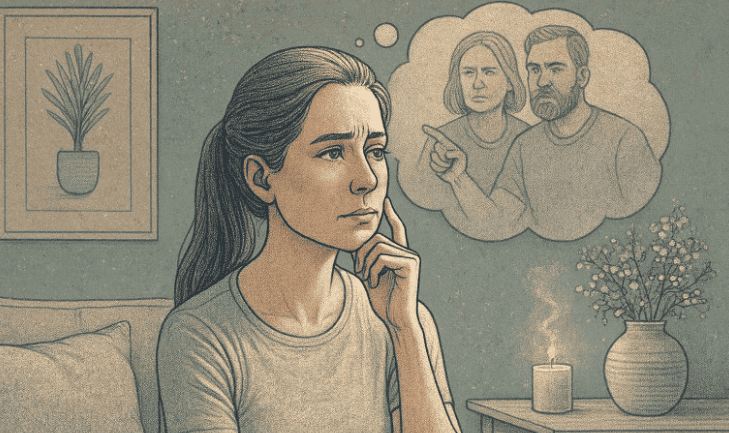
Healing does not mean forgetting the past, but it does mean learning how to separate it from present identity and self-worth.
Final Thoughts
Growing up with an emotionally abusive parent can shape how a person sees themselves and interacts with the world for years. However, understanding these patterns is a powerful first step toward change. While the effects may be long-lasting, they are not permanent. With awareness, support, and time, it is possible to rebuild emotional stability and develop a healthier relationship with oneself and others.