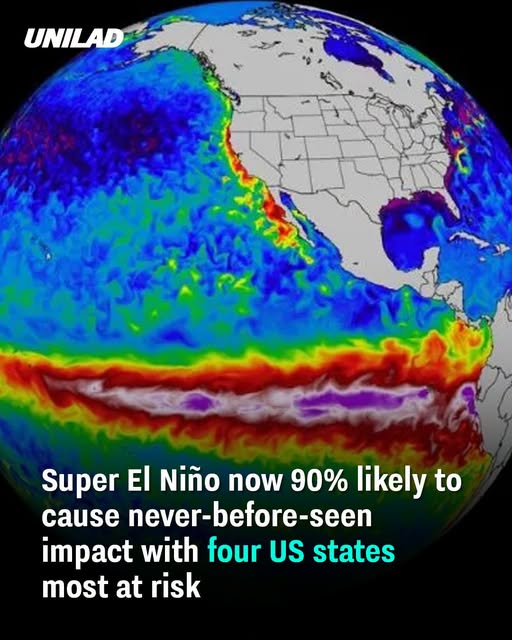
A major shift in global weather patterns could be approaching as El Niño continues to strengthen across the tropical Pacific. Forecasters now say there is more than a 90 percent chance that a very strong El Niño will develop during the Northern Hemisphere’s fall and winter, while there is also a significant possibility that the event could reach historically exceptional strength.
El Niño occurs when ocean temperatures in the central and eastern tropical Pacific become unusually warm. Those warmer waters can influence atmospheric circulation and alter the position of the jet stream, creating different weather patterns thousands of miles away. This year’s developing event is attracting particular attention because some forecasts suggest it could become one of the strongest El Niño episodes observed in modern records.
Which States Could Be Affected?
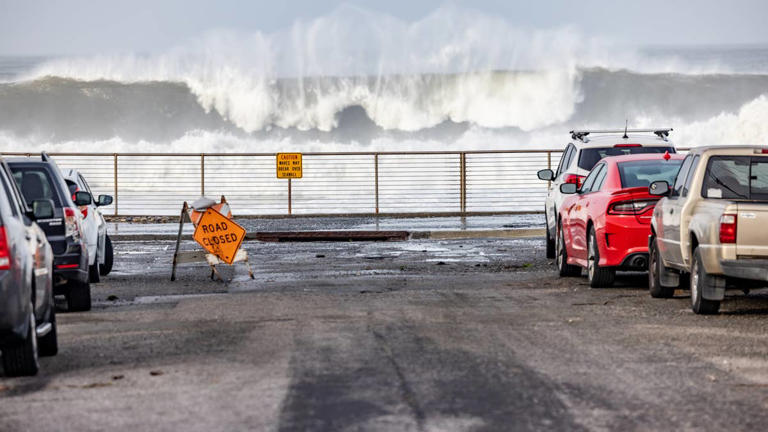
The effects will not be identical across the United States. Some regions could experience considerably wetter conditions, while others may see warmer temperatures or changes in their usual snowfall patterns. The southern United States is among the areas expected to experience a more active storm pattern. A stronger southern jet stream can direct additional moisture into parts of California, the Southwest, Texas, the Gulf Coast and the Southeast. This could increase the chances of periods of heavy rain, flooding and severe storms. The National Weather Service notes that El Niño winters are generally associated with wetter conditions across parts of the southern United States.
Snow Could Increase in Parts of the West
Despite the focus on warmer temperatures in some parts of the country, El Niño can also create favorable conditions for increased snowfall in certain western regions. California, Utah and parts of Colorado could experience above-average snowfall, particularly at higher elevations. The shift in the storm track can send more moisture toward the Southwest and southern Rocky Mountains, potentially improving mountain snowpack. However, this does not mean every location in those states will experience an unusually snowy winter. Local temperatures, storm tracks and short-term atmospheric conditions will determine whether precipitation falls as rain or snow.
Other States Could See Less Snow
The same atmospheric pattern that increases snowfall in parts of the West can reduce it elsewhere. Northern portions of the United States and some areas around the Great Lakes may experience less snow than usual during a strong El Niño winter. Warmer-than-average temperatures across parts of the northern United States could also make it more difficult for some storms to produce prolonged snowfall. That does not mean snowstorms are impossible. Even during generally mild winters, individual storms can still produce significant snow when cold air moves into the right location.
More Than Just a Winter Forecast
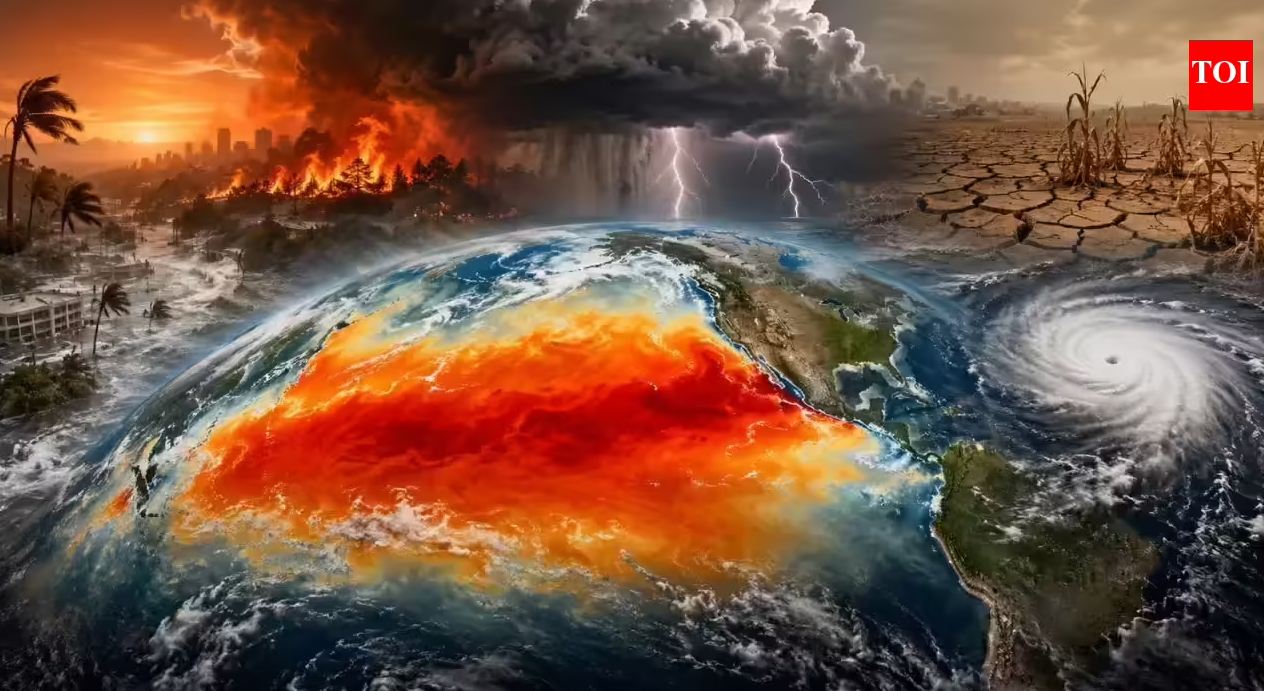
The potential effects extend beyond snow and temperatures. A powerful El Niño can influence rainfall, drought conditions, flooding, wildfire risk and tropical weather patterns. One notable effect is that El Niño often suppresses Atlantic hurricane activity because stronger upper-level winds create conditions that make tropical storms harder to organize. However, it does not eliminate the possibility of major hurricanes. Scientists are also watching the event because of its potential influence on global temperatures. A very strong El Niño can temporarily add to already elevated global temperatures, making the coming months particularly important for climate monitoring.
What Happens Next?
Although forecasts are becoming increasingly confident that a strong El Niño is developing, its exact effects cannot yet be predicted for individual cities months in advance. Weather patterns depend on numerous interacting factors, and even historically powerful El Niño events can produce different results. For now, forecasters are watching the Pacific closely as ocean temperatures continue to rise. If the current projections remain on track, the United States could face a winter marked by unusual combinations of heavy precipitation, major storms, changing snowfall patterns and significant regional differences. The coming months will reveal whether this developing El Niño becomes merely a strong event—or one of the most extraordinary weather patterns recorded in modern history.