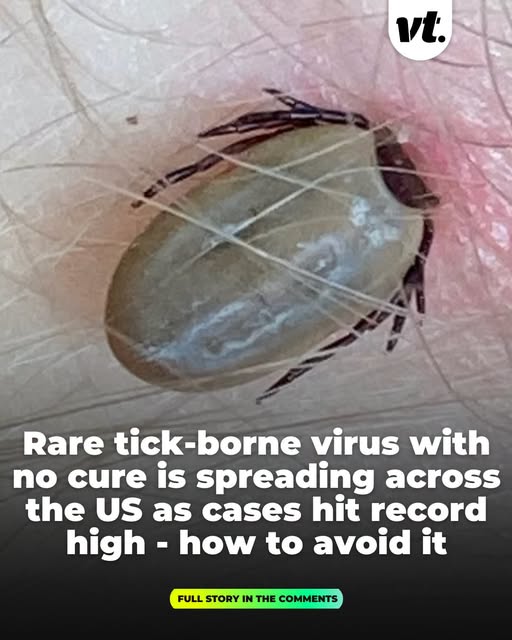
Health officials are urging Americans to take extra precautions against tick bites after a rare but potentially deadly virus reached its highest number of reported cases in the United States.
The illness, known as Powassan virus disease, remains uncommon compared to Lyme disease, but experts say the number of infections has steadily increased in recent years. Although only a small percentage of ticks carry the virus, the consequences of infection can be severe, with some patients developing life-threatening inflammation of the brain or spinal cord. Because there is currently no specific antiviral treatment or vaccine available, preventing tick bites remains the best form of protection.
What Is Powassan Virus?
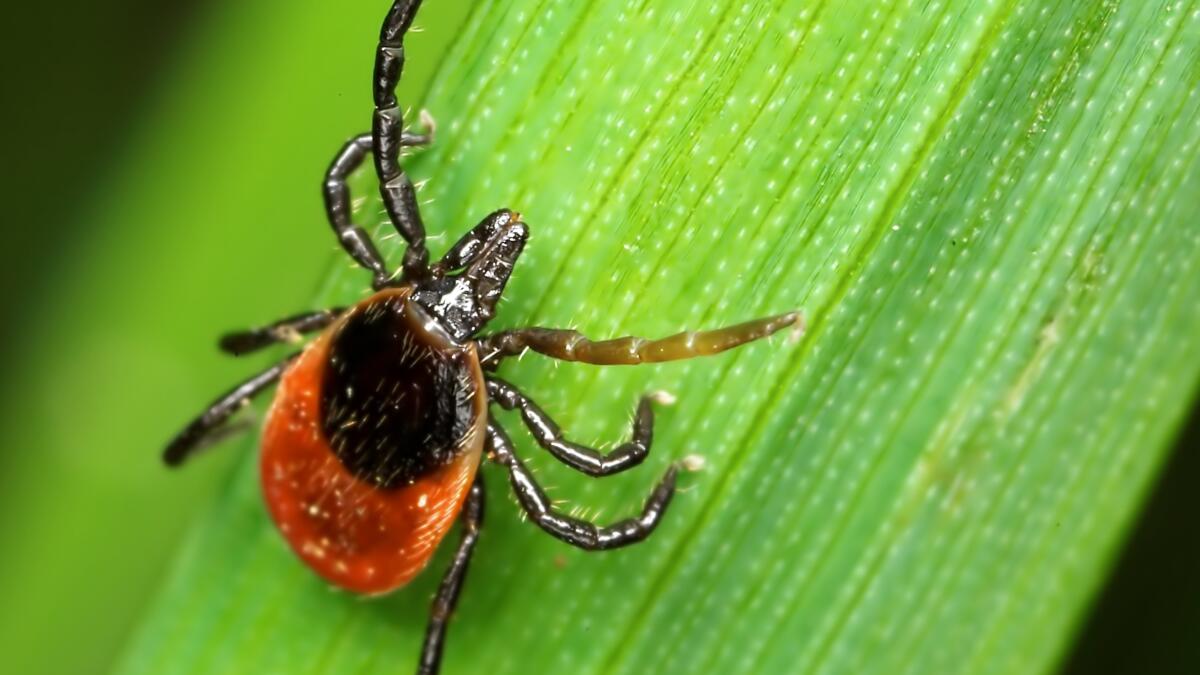
Powassan virus is spread through the bite of infected ticks, particularly black-legged ticks, which are also responsible for transmitting Lyme disease. Unlike Lyme disease, which generally requires a tick to remain attached for many hours before bacteria are transmitted, Powassan virus can potentially be passed to a person within as little as 15 minutes after the tick begins feeding. This rapid transmission makes early tick removal less effective at preventing infection, highlighting the importance of avoiding tick bites altogether. Most infections occur during the warmer months when ticks are most active, especially from late spring through early autumn.
Symptoms Range From Mild to Severe
Many people infected with Powassan virus experience no symptoms at all. However, those who do become ill may first notice fever, headache, vomiting, fatigue, or general weakness several days to several weeks after being bitten. In more serious cases, the virus attacks the central nervous system, leading to encephalitis or meningitis. Patients may develop confusion, difficulty speaking, loss of coordination, seizures, or even paralysis. These severe complications often require hospitalization, and some patients need intensive medical care. Even among those who survive, recovery can be lengthy. Long-term neurological problems, including memory difficulties, chronic headaches, muscle weakness, and balance issues, have been reported in some cases.
No Cure or Vaccine Available
One of the biggest concerns surrounding Powassan virus is the lack of a targeted treatment. Doctors can only provide supportive care, such as intravenous fluids, breathing assistance, medications to reduce brain swelling, and treatment for complications while the body’s immune system fights the infection. Because there is no cure, early recognition of symptoms and prompt medical attention are extremely important, particularly for people who develop neurological problems after spending time outdoors in areas where ticks are common. Researchers continue studying the virus, but no approved vaccine currently exists.
How to Reduce Your Risk
Health experts recommend taking several simple precautions before spending time in wooded, grassy, or brush-filled areas where ticks are commonly found. Wearing long sleeves, long trousers, and closed shoes can reduce exposed skin. Applying insect repellents containing DEET or treating clothing with permethrin may also help keep ticks away. After returning indoors, people should carefully inspect themselves, children, and pets for ticks. Showering soon after outdoor activities and washing clothing on high heat can also reduce the risk of unnoticed tick bites. Keeping lawns trimmed and removing leaf litter around homes may further discourage ticks from establishing habitats close to living areas.
Staying Alert During Tick Season
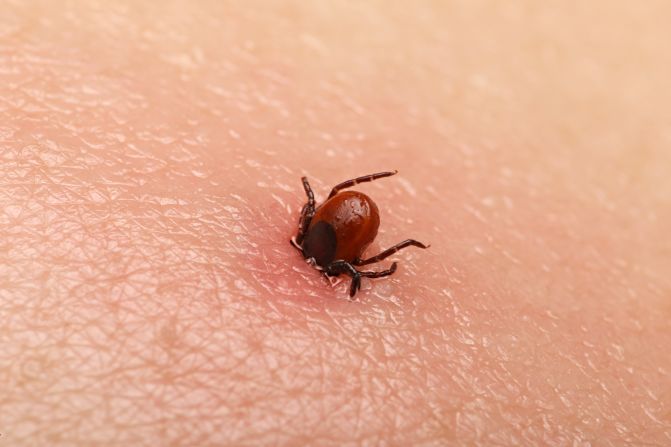
Although Powassan virus infections remain rare, public health experts stress that awareness is essential as case numbers continue to rise. Anyone who develops persistent fever, severe headaches, confusion, weakness, or other neurological symptoms after spending time outdoors should seek medical attention immediately and inform healthcare providers about possible tick exposure. While most tick bites do not result in serious illness, understanding the risks and taking preventive measures can significantly reduce the chances of infection. As outdoor activities increase during the warmer months, simple protective steps—such as using insect repellent, wearing appropriate clothing, and checking for ticks after returning home—remain the most effective way to guard against this rare but potentially life-threatening virus.