
As millions of people travel across North America for major sporting events, public health experts are paying close attention to one disease in particular: measles. Known as one of the most contagious viruses in the world, measles can spread rapidly in crowded places such as airports, hotels, stadiums, and public transportation. With international visitors arriving from many different countries, health authorities are encouraging travelers to take simple precautions before and during their trips.
Why Measles Spreads So Easily
Measles is caused by a highly contagious virus that spreads through tiny droplets released when an infected person coughs, sneezes, or even breathes. Unlike many other illnesses, the virus can remain in the air or on surfaces for up to two hours after an infected individual has left the area. Because of this, a single infected traveler can unknowingly expose dozens of people in busy locations. Someone carrying the virus may not realize they are infected because symptoms usually appear several days after exposure, allowing the disease to spread before anyone knows there is a problem. Health experts warn that crowded events create ideal conditions for transmission, particularly among people who have not been vaccinated.
A Rise in Cases Across North America
Health officials have reported a noticeable increase in measles cases across the United States, Canada, and Mexico during 2026. Several outbreaks have occurred in communities with lower vaccination rates, prompting concerns that international travel could contribute to additional spread. Although measles had once been considered eliminated in the United States, declining vaccination coverage over recent years has allowed the virus to return. Public health organizations continue to monitor new infections while preparing hospitals and healthcare workers for potential increases in cases during periods of heavy travel.
Why Major Events Increase the Risk
Large international gatherings naturally bring together people from different parts of the world. Visitors spend time in airports, fan zones, restaurants, hotels, and packed stadiums, all of which increase close contact between individuals. Experts stress that these events do not create new diseases, but they can provide opportunities for existing viruses to spread more quickly. A traveler infected in one country could unknowingly pass the virus to others before symptoms appear, who may then return home carrying the infection. For this reason, health authorities have spent months preparing surveillance systems capable of detecting possible outbreaks quickly while sharing information across borders.
Recognizing the Symptoms
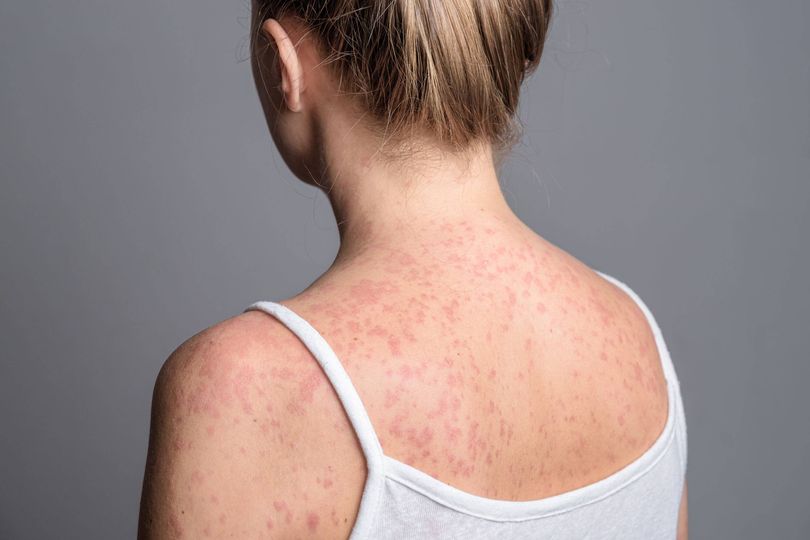
Measles usually begins with symptoms that resemble a common cold. People often develop a high fever, cough, runny nose, and red, watery eyes. Several days later, a distinctive red rash typically appears on the face before spreading to the rest of the body. While many people recover completely, the disease can lead to serious complications, including pneumonia, brain inflammation, hearing loss, and, in rare cases, death. Infants, pregnant women, and individuals with weakened immune systems face the highest risk of severe illness.
How Travelers Can Protect Themselves
Medical experts recommend checking vaccination records before international travel. Two doses of the measles, mumps, and rubella (MMR) vaccine provide excellent protection for most people and significantly reduce the risk of infection. Travelers should also practice good hygiene by washing their hands frequently, covering coughs and sneezes, avoiding close contact with anyone who appears ill, and seeking medical advice if symptoms develop during or after a trip. Anyone experiencing fever and a rash should contact a healthcare provider promptly and mention any recent travel history.

Staying Informed Without Panic
Although the increase in measles cases has raised concern among public health professionals, experts emphasize that there is no reason for panic. The vast majority of vaccinated individuals remain well protected against the virus. The current focus is on prevention, early detection, and rapid response. By staying up to date with recommended vaccinations and following basic health precautions while traveling, people can continue to enjoy international events safely while helping reduce the spread of one of the world’s most contagious diseases.